
Web Development in Durham, North Carolina | Orbilon Tech
Bull City's Biotech Money Just Got Serious, and the Website Standard Quietly Moved With It
Web development in Durham feels like it’s tied to one of the densest biotech and life-sciences investment pockets across the United States. Over the past 18 months, what people here consider a “proper, serious” website has shifted pretty noticeably. Biogen went ahead and committed $2 billion to expand manufacturing in Research Triangle Park. AbbVie then announced plans for 730 new jobs in Durham. Genentech, Amgen, and FUJIFILM Diosynth Biotechnologies all expanded their operations in RTP, too.
Hatteras Venture Partners, the Triangle’s most recognizable life-sciences VC shop, wrapped up more than $200 million across two new funds, which is its biggest haul in 25 years. And Cape Fear BioCapital started leaning into Duke University spinouts, investing only there, basically. So yeah, it’s changed both who ends up buying websites in Durham, and what they expect from those sites.
Meanwhile, the supporting tech ecosystem, honestly, keeps pace. The North Carolina Biotechnology Center says there are over 840 life-sciences companies statewide, with more than 675 spread through the wider Research Triangle Region, and over 300 sitting right in Research Triangle Park.
Durham is a key piece of that mix, with public biotechs like BioCryst Pharmaceuticals (Nasdaq: BCRX, US headquarters in Durham), Humacyte (Nasdaq: HUMA, bioengineered human tissue in Durham), Precision BioSciences, Arcus Biosciences, plus a bunch of clinical-stage and discovery-stage teams downtown and in RTP. Duke University and Duke Health keep pushing research toward commercial products, with help from American Underground, BioLabs North Carolina (that premium shared wet-lab space downtown Durham), and Duke Innovation & Entrepreneurship.
If you’re a business searching for the best web development company in Durham, one that can build a website that’s ready for biotech-grade scientific review, follows Duke-adjacent procurement expectations, understands HIPAA healthcare rules, and still nails accessibility requirements for regulated platforms, Orbilon Technologies delivers full custom website development in Durham. Their builds run on modern stacks like Next.js, React, Node.js, Python, .NET, and Laravel, plus API integrations and workflow automations.
In practice, that means connecting your site to lab information systems, clinical research platforms, and CRM workflows you already use. They also take on marketing sites, e-commerce, SaaS web applications, headless CMS migrations, and compliance-aware redesigns, without making it weird at launch.
Why Biotech Procurement Quietly Rewrites the Rules for Every Durham Web Project?
The single biggest difference between Durham web buyers and web buyers elsewhere is that Triangle biotech procurement teams have been trained to evaluate vendors against scientific publication and regulatory submission standards. A website here is not a marketing artifact. It is a controlled document that supports clinical research recruitment, investor communication, partner onboarding, and regulator-facing transparency. The vendors that succeed understand this from sprint one.
Here is what serious biotech website development in Durham actually has to clear.
- Reproducibility and version control are expected on every page. Biotech buyers come from a culture where every claim has to be traceable to its source. Marketing sites that publish data, statistics, or scientific claims without clear sourcing, dated revisions, and editorial governance look out of step the moment a Duke alumnus or a clinical research director reviews them. Production-grade builds ship with versioned content, audit logs on edits, and clear publication workflows.
- The citation and references infrastructure is part of the design system. Clinical-stage biotech sites publish peer-reviewed citations, regulatory filings, ClinicalTrials.gov entries, and investor disclosures alongside their content. Web platforms that treat citations as a footer afterthought rather than first-class structured content lose credibility with the scientific audience they are trying to reach.
- Investor relations infrastructure is non-negotiable for public biotechs. With BioCryst, Humacyte, Precision BioSciences, and the broader pipeline of Durham-listed biotechs reporting to public markets, web platforms in this category face SEC Regulation Fair Disclosure requirements, EDGAR-aligned filings infrastructure, earnings webcasts, board governance pages, and the audit-grade content management procurement reviewers expect. Hire web developers in Durham who do not understand Reg FD timing, and your IR page becomes a liability.
- HIPAA-aware architecture extends beyond hospital sites. Clinical research recruitment, patient registries, decentralized clinical trial platforms, and Duke-adjacent healthcare web work all face the same encrypted-at-rest, BAA-covered, audit-logged baseline as hospital systems. Web HIPAA looks different from app HIPAA, but both require the same engineering discipline.
- ADA Title II changes the deadline for university-adjacent sites. Public-sector entities serving 50,000 or more individuals face an April 26, 2027, compliance deadline against WCAG 2.1 Level AA, with smaller entities following one year later. Duke is a private university, but any Durham web project touching state agency partners, Duke Health public reporting, or federally-funded clinical research falls under accessibility expectations that the Department of Justice has been clear about. Sites that ship without WCAG 2.1 AA baked into the design system from sprint one create downstream remediation costs.
The vendors that win Durham deals understand that biotech and Duke-adjacent procurement is a scientific evaluation, not a creative-services pitch. The documentation packet matters as much as the build.
Where Web Development Demand Concentrates Across Bull City Right Now?
Durham is not one market. It is several overlapping ones, with biotech and Duke at the center and rings of supporting industries expanding outward. Top web developers in Durham, NC, teams start every engagement by understanding which ring the buyer actually operates in.
- Publicly-traded and clinical-stage biotech web platforms. BioCryst, Humacyte, Precision BioSciences, Arcus operations, and the broader Durham biotech pipeline run web platforms that have to satisfy investor relations requirements, scientific communication needs, partner business development, and patient-facing recruitment for clinical trials. Reproducible content, audit-grade publishing workflows, and validation-friendly architecture from sprint one. Every output needs to survive scientific peer review and regulatory scrutiny.
- Duke University and Duke Health-adjacent platforms. Duke and Duke Health spin out research projects, clinical innovation initiatives, biomedical engineering platforms, and digital health pilots at a steady cadence. Web work in this orbit includes research lab marketing sites, clinical trial recruitment platforms, digital health pilot demos for Duke Institute for Health Innovation, and the academic-to-commercial bridge sites Duke University Office of Licensing and Ventures uses to commercialize IP. Duke University web development has its own conventions around academic branding, accessibility, and citation practices.
- Biomanufacturing and contract research organizations (CROs). With FUJIFILM Diosynth Biotechnologies, Genentech, AbbVie, Amgen, Biogen, and the broader CRO ecosystem expanding RTP and Durham operations, web work for this segment focuses on capability marketing, talent recruitment portals, partner onboarding, and the dealer-portal patterns biomanufacturers use to manage downstream customers. Production-grade healthcare web development in Durham, NC, for this segment treats compliance documentation as a primary deliverable.
- Startup and incubator-stage biotech web. BioLabs North Carolina hosts dozens of seed-stage and Series A biotech ventures running out of premium wet-lab and shared office space in downtown Durham. American Underground and Duke Innovation & Entrepreneurship feed the same pipeline. These early-stage companies need investor-pitch-ready websites, scientific landing pages, demo gating, and the kind of pixel-quality marketing surface that closes Series A rounds with biotech VCs.
- EdTech and education web platforms. Duke, NC Central University, and Durham Technical Community College (which Biogen recently supported with a $250,000 grant marking its 30th RTP anniversary) all operate from the metro. EdTech platforms in this orbit need Section 504 and IDEA accessibility, secure SSO, and the kind of academic-grade content management higher-ed editorial teams expect.
- Consumer and brand-led Durham web. Bull City has a thriving consumer ecosystem, including breweries, hospitality, design studios, retail brands, and DTC consumer products. Web work here favors brand-led design systems, Shopify and headless commerce platforms, and the content-marketing infrastructure that drives local and regional reach.
- Defense, technology, and dual-use web. With Cisco, Lenovo, IBM RTP operations, and the broader Triangle defense and dual-use technology ecosystem operating from the same talent pool, web platforms for this segment add Section 508 accessibility, FedRAMP-aware hosting, and supply chain security documentation to the standard build requirements.
The Engineering Stack We Bring to Every Durham Web Build
We do not make a list of every framework there. We make a list of the layers that always determine whether a site can pass a Durham-grade review. This includes things like procurement, Duke-adjacent engineering scrutiny, HIPAA-aware healthcare compliance, accessibility-conscious public sector review, and the consumer-grade polish that Bull City expects.
The right architectural choices are what make custom website development in Durham different from generic builds.
- Frontend frameworks are important. We use Next.js 15 with the App Router and React 19 for content-led marketing sites and product surfaces that need server-side rendering. We also use Astro for performance static-first sites where dynamic surface area is limited. We use Vue 3 with Nuxt when the team prefers it. The senior React developers in the Durham, NC teams have experience shipping against biotech-grade content rigor and Triangle engineering review. We use TypeScript across the stack, so contracts between the frontend and API are clear.
- We also think about content management and CMS. We use Headless WordPress paired with a React or Next.js frontend. We use WordPress when the editorial team prefers a familiar admin. We also use Sanity, Strapi, Contentful, and Payload CMS when multi-locale or structured-content workflows are needed. When we do production-grade WordPress development in Durham, we make sure it has hardened security, custom Gutenberg blocks for clinical content patterns, structured citations, and the caching architecture that can handle real traffic spikes. A lot of times, we have to migrate sites from legacy WordPress 5.x to headless stacks.
- When it comes to backend platforms, we use Node.js, Python, Go for performance services, and .NET 9 when the buyer’s existing stack demands it. Biotech-adjacent and clinical research projects usually default to TypeScript-first services with input validation, contract testing, and structured logging that supports validation documentation.
- For e-commerce engines, we use Shopify, WooCommerce, Magento, and BigCommerce. We choose these based on things like SKU volume, B2B versus DTC ERP integration needs, and the degree of custom checkout logic required. Durham consumer brands, breweries, hospitality, and biomanufacturers that need dealer-portal commerce all benefit from architecture decisions made on rather than later.
- We always think about accessibility- design system. Every component we ship meets WCAG 2.1 Level AA with HTML, keyboard-navigable interactions, screen-reader-tested patterns, color contrast ratios above 4.5:1 for body text, visible focus indicators, and skip-to-content patterns. We also publish accessibility statements on the site. We do automated Axe-Core scans in CI and manual testing through NVDA and VoiceOver on every release.
- We also think about performance and hosting. We use Vercel, Cloudflare, AWS, and Azure App Service based on latency requirements, edge computing needs, and where the buyer’s data residency rules point. We make sure sites are instrumented with Real User Monitoring, LCP/INP/CLS dashboards, and page-weight budgets enforced in CI.
- Security and compliance are important to us. We use TLS 1.3 strict Content-Security-Policy, Subresource Integrity, OWASP Top 10 hardening, and SSO integrations. Biotech and clinical research projects have to meet SOC 2 Type II- logging, audit trails, data classification documentation, and incident response procedures.
- Finally, we think about SEO and analytics infrastructure. We make sure technical SEO is part of the build, and we use GA4 with server-side tagging when privacy laws apply. We also use JSON-LD data for clinical trial pages and biotech press releases, and conversion tracking that maps cleanly to Salesforce, HubSpot, or whichever CRM the buyer uses.
You can see what our stack can do on our Clutch profile, where you can find a verified rating from client interviews.
Web Services Organized for Durham's Buyer Mix
Durham is made up of different markets that overlap with each other. These markets include biotech and life sciences, healthcare, companies that work with Duke, business-to-business manufacturing, consumer brands, and education. Each of these markets has its own way of buying things. We set up our work to match the way the people who buy things think. We make websites for Bull City that are specific to the industry our customers are in.
For Biotech, Life Sciences, and Clinical Research Teams
- We do web development, which includes making websites for investors, finding people for trials, making scientific marketing sites, and creating platforms for businesses to work together. Our websites have a system for citing sources, managing content, and making sure everything is accessible to everyone. We also make sure that our websites follow the rules that biotech companies need to follow.
- We also do SaaS product development, which means we make software that is used by people at the same time. This software is used for research, laboratory information, and biomanufacturing. We design our software to work well from the beginning stages to when it’s launched to the public.
- We make custom CRM systems that have features like audit trails, access control, and integration with laboratory systems. Our CRM systems are designed to work with the sales cycles of life sciences companies, which can take years.
For Healthcare, Duke-Adjacent and Regulated Platforms
- We do AI development and integration, which includes making search tools that can find information in papers, understanding clinical notes, and making content personalization for patient portals. We also make AI tools that can automate workflows. We build our AI systems with security and compliance in mind so they meet the standards of Duke buyers.
- We make Agentive AI apps that can do things like schedule appointments, review documents, and automate workflows. Our AI apps have oversight and logging so they meet the standards of regulated workflows.
- We also set up cloud infrastructure and DevOps, which includes making sure our systems are secure and compliant with regulations like HIPAA. We use tools like AWS, Azure, and Google Cloud to make sure our systems are running smoothly.
For Consumer Brands, Manufacturing, Education, and Mobile-First Teams
- We do e-commerce development, which includes making stores on platforms like Shopify and Magento. We also integrate our e-commerce systems with ERP systems. Make custom catalog logic for our clients. We make sure our checkout systems are secure and have features like Apple Pay and Google Pay.
- We make mobile apps for iOS and Android as well, as cross-platform apps that work on multiple devices. We design our apps to match the websites we build, so our clients have a brand image.
- We do UI/UX design, which means we make interfaces that are accessible, easy to use, and meet the standards of our clients. We test our designs to make sure they work well and are easy to use. We also make sure our designs are transparent and explainable, especially when AI is involved.
Builds Already Live and Holding Up
We will not fill this section with examples. Two real projects explain things better than a list of company logos.
- ArtFlow Pro is a website platform for people who run art galleries and deal with artists. This platform helps them manage the artists they work with, the art they have, the sales they make, and the reports they need to do. It has a system for subscription controls that determine who can access what, keeping customer information separate, and it has a simple administration area that can handle many customer accounts. This shows people in Durham what we can do. It shows the kind of website platform that biotech companies, medical research startups, and companies that come from Duke University need. We can make a platform that keeps customer information safe, can handle a lot of customers, has a system for tracking what happens, and looks good even after many customers have signed up.
- CareHub is a platform that helps caregivers talk to each other and to the people they care for, even if they speak different languages. It has translation, a simple way to leave notes, and is easy to use even for people who are very busy and stressed. This shows people in Durham that we can make healthcare-related websites that follow the rules and are accessible to everyone. We can make platforms that deliver information in languages that have real-time messaging and follow the rules that regulated industries expect.
Work Highlights
Some of our best works from many
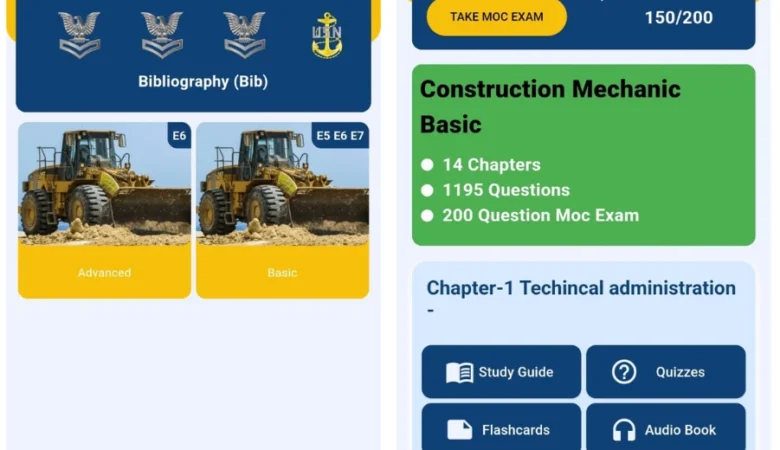
SeaBee – The Best Navy
SeaBee – The Best Navy Exam Study App Built for US Navy Seals Project Overview SeaBee is a free, comprehensive
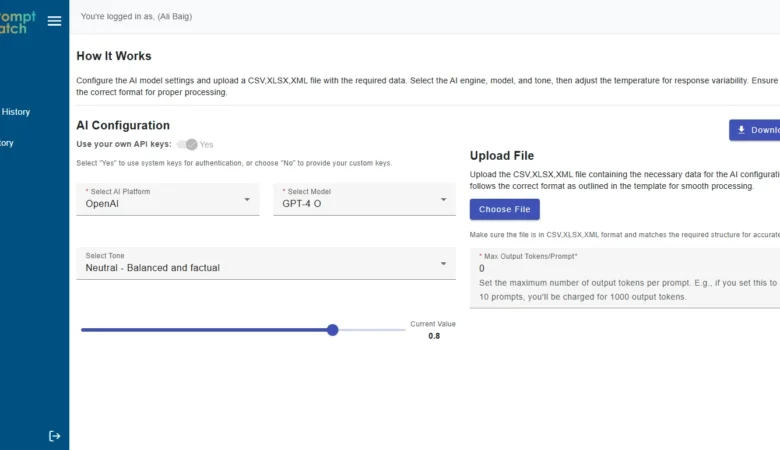
PromptBatch: Save 50% with AI
PromptBatch: The Best AI Batch Prompt Processing Web App | Orbilon Tech Project Overview PromptBatch Portal is a powerful AI
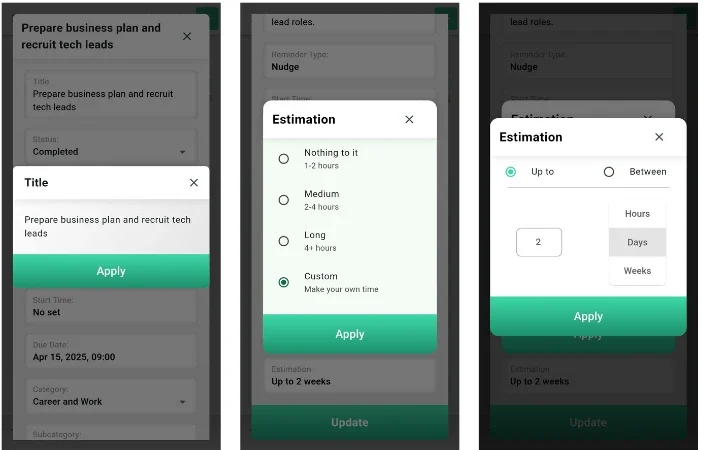
Spheres – The Revolutionary AI
Spheres – The Best AI Life Manager Mobile App That Actually Knows You Project Overview Spheres – Life Simplified is
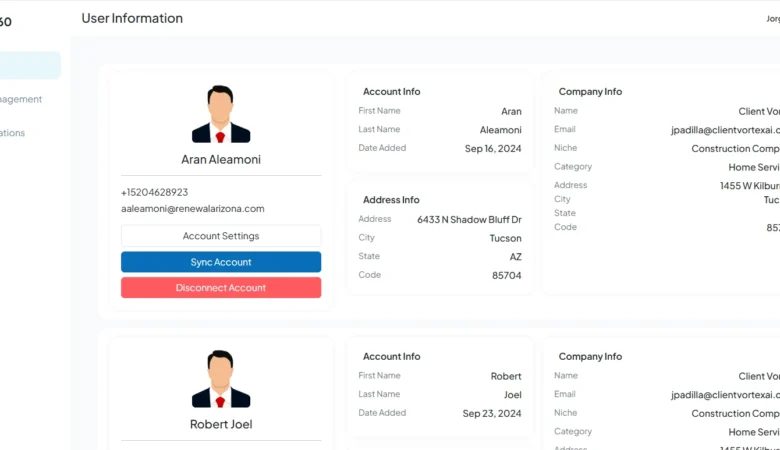
Rep360 AI – AI Bot
Rep360 AI – AI Bot Integration for GHL Workflows That Automates Sales Conversations Project Overview Rep360 AI is a fully
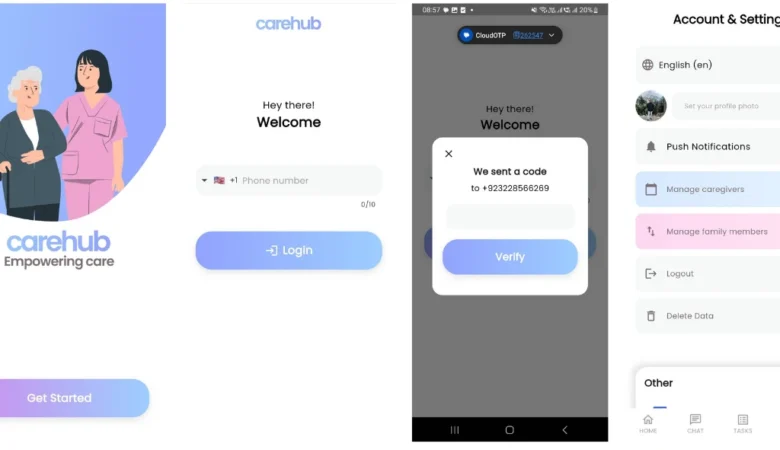
CareHub – Powerful Caregiver Communication
CareHub – Caregiver Communication App With Auto Translation CareHub App – Empowering Care CareHub is a powerful caregiver communication app
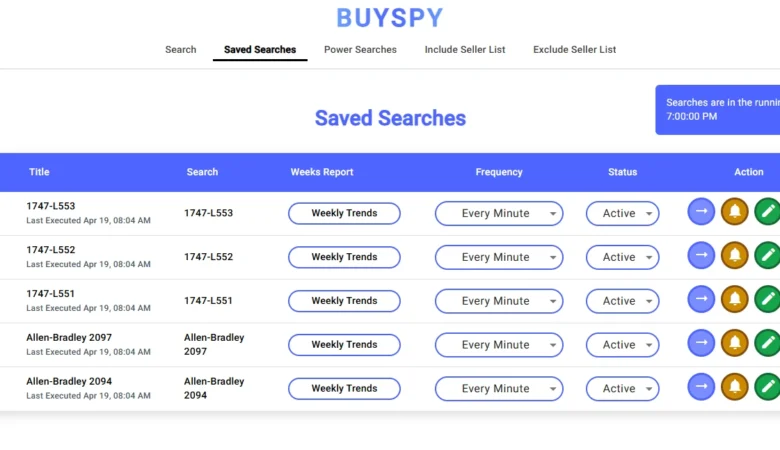
BuySpy – Ultimate Real-Time eBay
BuySpy — A Powerful Real-Time eBay Search Alerts App for Web & Mobile BuySpy is a real-time eBay search alerts
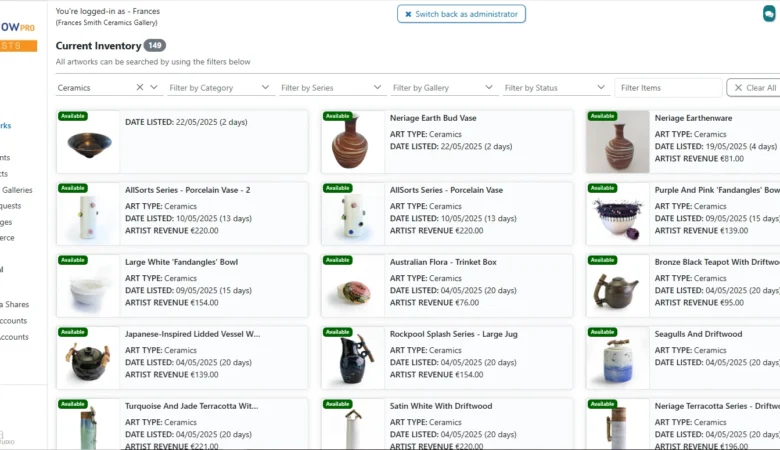
ArtFlow Pro — The Art
ArtFlow Pro — Full-Stack Art Gallery SaaS Platform for Artists & Galleries ArtFlow Pro – Streamline the Artwork Sales ArtFlow
Real Client Feedback Verified on Clutch
Here’s what some of our clients have to say:
Want to Hire Us?
Are you ready to turn your ideas into a reality? Hire Orbilon Technologies today and start working right away with qualified resources. We will take care of everything from design, development, security, quality assurance, and deployment. We are just a click away.