Web Development in North Carolina | Orbilon Tech
North Carolina Just Ranked #1 in Tech Job Growth. Here's What That Quietly Changes for Every Web Project in the State.
Web development in North Carolina isn’t just a local thing anymore. It’s really boosted by the fastest-growing tech economy in the U.S., and that one fact changes a lot about what people expect from a website here.
The numbers make it pretty clear. North Carolina was number one in the country for tech job growth between 2019 and 2024, according to the 2026 State of the Technology Industry Report from the North Carolina Technology Association. That same report also mentions the state is first for effective business tax rates, fifth for university science and tech research funding, and eleventh for venture capital funding when you look at its total state economy. NC TECH’s members alone include 700 companies and over 250,000 workers all over the state.
Charlotte created about 37,000 jobs in 2025, making it second in the nation for job growth among big cities. CNBC called North Carolina America’s Top State for Business in 2025, which was the third time that happened in just four years. The corporate tax rate is currently 2% and is set to gradually drop to 0% by 2030. Every tech job in NC helps create another 2.24 jobs throughout the state’s wider economy, which is a bigger ripple effect than almost any other industry there.
Women now make up more than 37% of North Carolina’s tech workers. This puts the state first in the country for how many women work in technology, showing that NC is getting a broader range of talent, not a smaller one.
For any company getting a website built in this market, all of that background is important for one key reason: the people looking at your website are very knowledgeable. In Charlotte, buyers often work at places like Bank of America (which has its main office there), Truist, Wells Fargo, JPMorgan Chase, and financial tech companies such as nCino, LendingTree, AvidXchange, Spreedly, and DebtBook.
In the Triangle area, buyers might be from Apple’s new $1 billion campus planned for RTP, or from companies like SAS, Red Hat (based in downtown Raleigh), Epic Games (based in Cary), IBM (which has been in RTP since 1965), and MetLife’s Global Technology Hub in Cary. They know what a good website should be like, and they’ll judge companies against those high expectations.
For businesses looking for the best web development company in North Carolina — one that ships sites cleared for fintech-grade performance, Triangle-grade engineering review, and ADA-aware accessibility — Orbilon Technologies delivers custom website development across NC from architecture through deployment. Built with modern stacks like Next.js, React, Node.js, Python, .NET, and Laravel, paired with workflow automations and third-party integrations that connect your site to the platforms already running your business — marketing sites, e-commerce builds, SaaS web applications, headless CMS migrations, and compliance-aware redesigns.
Charlotte's Banking Boom Has Quietly Rewritten What "Production Web" Means in This State
Most state-level web vendor pitches treat North Carolina as a single market. That assumption breaks the moment a Charlotte fintech CTO opens your site. Charlotte is the second-largest banking center in the United States, holding roughly $362 billion in banking assets, behind only New York City. That concentration of financial talent shapes every website procurement decision in the metro and reshapes the bar for the entire state.
Here is what this actually means for any serious web project shipping into NC.
- Performance budgets are non-negotiable. Charlotte buyers measure Core Web Vitals on the first page load. Sites that ship without LCP under 2.5 seconds, INP under 200 milliseconds, and CLS under 0.1 lose RFPs to vendors that hit those numbers consistently across mobile networks.
- Security architecture is reviewed before design. Companies like Coinbase (Charlotte), Sumitomo Mitsui Banking Corporation — which announced a $50.5 million Charlotte investment and 2,000 new jobs over six years as its second U.S. headquarters — and the dozens of bank-tech vendors in the city expect sites to ship with proper TLS configuration, strict Content-Security-Policy headers, secure session handling, and SOC 2-aligned infrastructure documentation from sprint one. Hire AI developers in North Carolina who don’t track these baselines, and your build is dead at the first technical review.
- ADA Title II changes the compliance baseline statewide. The U.S. Department of Justice has set the digital accessibility compliance date for North Carolina’s public entities serving 50,000 or more individuals on April 26, 2027 — extended from the original April 24, 2026 deadline. The technical standard is WCAG 2.1 Level AA. Smaller entities follow the same standard one year later. While Title II applies directly to the government, Title III lawsuits against private businesses have been frequent across NC for years. The North Carolina Department of Information Technology actively monitors public-sector site compliance through its DubBot-powered Website Quality & Accessibility tool. Any web vendor that doesn’t bake WCAG 2.1 AA into the design system from sprint one is exposing you to legal risk.
- Migration paths matter more here than in most states. With SMBC, Credit Karma (announcing 600 new jobs in Mecklenburg County), Charles Schwab (signing major Charlotte South End leases), and dozens of banking and fintech firms expanding NC operations, web vendors are increasingly asked to migrate legacy WordPress 5.x and aging .NET sites onto modern stacks without breaking SEO authority, redirect maps, or compliance posture.
The vendors that win in NC understand that the state is not a single market. It is a banking-tech corridor in Charlotte, a research-triangle innovation engine in Raleigh-Durham-Cary-Chapel Hill, and a steady ring of Tier 2 metros expanding around them. The quality bar is set by the most demanding of those three at any given time.
Where Web Development Demand Is Concentrated Across NC Right Now?
Generic web design just doesn’t cut it here because what people need can be so different, whether you’re talking about the banks in Charlotte, the research hubs in the Research Triangle, or all the cities growing up around them.
The best web developers in North Carolina always start by figuring out who they’re building for.
- Let’s talk about banking and fintech websites. Charlotte’s banking scene is a big deal, with Bank of America and Truist both headquartered there, plus major players like Wells Fargo and JPMorgan Chase expanding. Then you have all the fintech companies like nCino, LendingTree, and AvidXchange. Websites in this area need serious security, like what banks use, and they have to follow strict rules, such as OFAC compliance. They also need to connect with other systems in real-time and have application forms that not only get approved by regulators but also work smoothly when a lot of people are using them. Groups like the Carolina Fintech Hub and Queen City Fintech keep pushing new fintech companies to meet these same tough standards that Bank of America already operates under.
- Then there are the SaaS and platform companies in the Research Triangle. With Apple planning a huge campus there, bringing thousands of high-paying engineering jobs, alongside established companies like SAS, Red Hat, and Epic Games, this area has become one of the fastest-growing tech hubs in the country. Web projects here often involve creating portals for developers with lots of documentation, marketing sites for software companies that can handle thousands of trial sign-ups every day, and product-focused growth flows that are supported by detailed analytics and ways to test new features.
- Next up, life sciences and biotech digital stuff. This was the fastest-growing tech area in North Carolina between 2019 and 2024, adding over 8,280 new research and development jobs. Huge investments like Novartis’s $771 million project and FUJIFILM Diosynth Biotechnologies’ $2 billion expansion, plus all the research from UNC, Duke, and NC State, mean there’s a big need for websites that follow HIPAA rules, sites for recruiting people for clinical studies, dashboards to track biomarkers, and really good documentation for biopharma companies. NC Innovation, which has a lot of funding, is now actively helping university spin-off companies get their products to market, and that often means they need professional web development.
- Don’t forget higher education and EdTech websites. With Duke, UNC-Chapel Hill, NC State, and UNC-Charlotte graduating more than 11,000 finance and business students every year across the state’s 52 colleges, these EdTech and university platforms have to handle a lot of people using them at the same time. There are also specific accessibility rules from Section 504 of the Rehabilitation Act and IDEA that most general web vendors miss until someone complains.
- Manufacturing and industrial web platforms are also important. North Carolina has the biggest manufacturing workforce in the Southeast. Big projects like Siemens Energy expansions, the Pearl medical innovation district in Charlotte, Pentax Medical’s Connect Labs, and Google’s huge industrial space in Charlotte are all pushing manufacturers and distributors to use modern tools like product configurators, portals for dealers, and B2B systems that connect smoothly with their older ERP systems.
- And then there’s defense and government contractor web work. With Fort Bragg’s JSOC and FORSCOM nearby, supporting over 50 defense technology companies in the Triangle, web projects in this area immediately need to follow Section 508 accessibility guidelines, use FedRAMP-approved hosting, and follow CMMC development rules right from the start.
- Finally, e-commerce and consumer brands. Cash App has engineers in Charlotte, the city’s overall retail innovation scene, and a steady stream of consumer brands across the state, all creating a constant need for e-commerce platforms that are great at converting visitors into buyers. These sites need personalized experiences, automated inventory management, fraud prevention, and top-notch theme architecture like what Shopify Plus offers.
The Architecture We Bring to Every NC Web Build
We don’t list every single framework out there. Instead, we focus on the key things that always decide if a website passes a strict review here in North Carolina – things like banking-level security, the careful eye of Triangle-area engineers, knowing about ADA Title II accessibility rules, and how fast people expect sites to be (especially since most tech buyers here are used to Apple products and quick SAS dashboards).
Choosing the right way to build things is really what makes a professional custom website in NC stand out from just an ordinary one.
- For the parts of a site you see, we might use Next.js 15 with its App Router and React 19, or Remix. If it’s a marketing site focused on content, Astro works well. Sometimes, if the team likes it, we go with Vue 3 and Nuxt. We pick these based on things like how much traffic the site gets, how often content changes, what’s needed for SEO, and how much interaction the site needs to have. Whatever we choose, it’s always aimed at meeting Core Web Vitals goals, meaning it has to perform well for actual users on their devices in places like Charlotte and the Triangle, not just look good in testing environments.
- For the behind-the-scenes stuff, we use things like Node.js (with frameworks like Express, Fastify, or NestJS), Python (with Django or FastAPI), .NET 9, or Laravel. The choice depends on how many other systems it needs to connect with, how the team works, and what kind of rules apply to the data moving through the site. For banking and financial tech projects, we’re seeing a clear trend towards using TypeScript from the start, making sure all inputs are checked carefully, and doing contract testing.
- For managing website content (a ‘headless CMS’), we work with Sanity, Strapi, Contentful, and even WordPress (either the traditional way or ‘headless’, where it just provides content). We pick one based on how complicated the content-editing process is, whether it needs to support multiple languages, and how much organized content the marketing team plans to put out. Moving older WordPress 5.x sites to these newer ‘headless’ setups has become a common request here in NC.
- For online stores, we use Shopify (both standard and versions), WooCommerce, Magento (now Adobe Commerce), and BigCommerce. The choice depends on things like how many different products (SKUs) there are, if it’s selling to businesses (B2B) or directly to consumers (DTC), if it needs to connect with other business systems (ERP), and how much custom logic is needed for the checkout process. Manufacturers and retailers here in North Carolina often need a custom way to set up their product catalogs right from the start.
- We always design for accessibility first. Every part we build meets WCAG 2.1 Level AA standards. This means using the right HTML tags, making sure everything can be used with a keyboard, testing with screen readers, having good color contrast (body text is over 4.5:1), making it clear where you’re focused on screen, and including ‘skip-to-content’ links. We publish accessibility statements with the site, run automatic checks with axe-core when we’re building, and also manually test with tools like NVDA and VoiceOver for every new release.
- For how fast a site is and where it lives online, we use services like Vercel, Cloudflare (Workers and Pages), AWS (with CloudFront, Lambda, ECS), and Azure App Service. Our choice depends on how quickly the site needs to respond, if it needs ‘edge computing’ (processing closer to users), and where the client’s data needs to be stored because of local rules. We set up sites with tools to watch how real users experience them, use dashboards for metrics like LCP, INP, CLS, and make sure we stick to page size limits during development.
- When it comes to security and following rules, we use things like TLS 1.3 encryption, strict Content Security Policies, Subresource Integrity, making sure we protect against the OWASP Top 10 risks, and setting up single sign-on with services like Okta, Auth0, or Azure AD. For banking and financial tech projects, we include logging that helps with SOC 2 Type II compliance, clear audit trails, and documentation about how data is categorized. These are all things reviewers expect to see before they give the green light.
- For search engine optimization (SEO) and understanding website data, we build sites with technical SEO already in mind – things like structured data, good HTML, smart internal linking, XML sitemaps, and making sure it’s optimized for Core Web Vitals. For tracking how people use the site, we might use GA4, Plausible, or Matomo. If privacy laws require it, we use server-side tagging, and we set up conversion tracking so it fits perfectly with the client’s CRM system.
Our Clutch profile, which has a verified 4.96 rating based on interviews with actual clients, really shows what kind of results this way of building websites delivers in real projects.
Web Development & Digital Services for North Carolina
Each tool on this list is here because it solves a specific problem that often pops up in our projects, like those for healthcare, finance, biotech, and consumer businesses in Baltimore.
- Frontend tools like React, Next.js, TypeScript, and Tailwind CSS. These help us build user interfaces that are quick, easy to get to, and designed for mobile first. That’s what healthcare and academic buyers in Baltimore always look for and check very carefully.
- Backend technologies such as Node.js, Python, Django, FastAPI, and Express. We choose these based on how your data is structured, how quickly things need to respond, and what your team already knows.
- Data storage options like PostgreSQL, MongoDB, Redis, and Firebase. We select these to handle the large amounts of clinical records, financial transactions, and research data that Baltimore businesses produce.
- Content management systems like WordPress, Strapi, Sanity, and custom setups without a fixed front end. This means your marketing team can update content on their own without having to bother the engineering team with requests.
- For cloud services and getting your software running, we use things like AWS, Azure, Google Cloud, Docker, Kubernetes, and automated deployment tools. When we launch something, we make sure it’s secure, watched closely, and keeps records that will satisfy anyone checking for compliance.
- When it comes to understanding your visitors, getting found online (SEO), and making your site easy for everyone to use (accessibility), we include tools like Google Analytics 4, Search Console integration, special coding for search engines, making pages load quickly, checking for accessibility problems, and confirming it meets Section 508 standards from day one.
Web Development & Digital Services for North Carolina
- We do Web Development. This includes making custom websites that people with disabilities can use because they follow the rules of WCAG 2.1 AA accessibility. We also make sure the websites load fast and work well with Core Web Vitals optimization. Our websites can be built with traditional CMS architecture, and they are good for marketing, content, and conversion-led sites.
- We also do E-commerce Development, which means we build stores using Shopify, WooCommerce, and Magento. These stores have secure checkouts to protect customers from fraud prevention to stop people, ERP integration to manage inventory, and B2B catalog architecture for companies in North Carolina who make and sell things.
- For Mobile App Development, we make iOS and Android apps as well as Flutter apps that work with the websites we build. This means that when a customer uses our website or app, it looks and feels the same on every device.
- We also work with AI Development & Integration, which includes making search features that use LLM-powered technology, personalizing content for each user, creating chatbots, and making predictive features that make the website experience better.
- Sometimes we do Custom CRM Development, which means we build platforms that connect the leads from the website to the sales team. This platform can automatically qualify, score, and route the leads to the person.
- We make Agentive AI Apps, which are like robots that can schedule appointments, review documents, and route claims. Approve workflows. These robots work inside the website. A human can always check what they are doing.
- Our team also does UI/UX Design, which means we create design systems that are accessible, look good, and help the website convert visitors into customers. We test these designs in the world to make sure they work.
- We develop SaaS Product Development, which means we build web platforms that many people can use at the same time. These platforms have subscription billing, role-based access control, audit logging, and observability built in from the start.
- Lastly, we work with Cloud Infrastructure / DevOps, which means we build the underlying structure of the website using AWS and Azure architecture. We use CI/CD pipelines and infrastructure-, as-code to make sure the website is secure. Follows the rules of HIPAA and SOC 2-aware hosting.
Real Builds From Our Portfolio That Match NC Buyer Expectations
We won’t pad this section with five logos. Two real builds tell the story better than a deck full of names.
- ArtFlow Pro — A Multi-Tenant SaaS Web Platform That Holds Up Under Real Use:
A SaaS web platform engineered for art galleries and dealers managing artist rosters, inventory, sales, consignment, and reporting — built with proper subscription architecture, role-based access control, multi-tenant data isolation, and the kind of admin surface that holds up under real production use across hundreds of customer accounts. What it shows for North Carolina: this is the architecture that the Charlotte fintech and Triangle SaaS layer expects from a web partner. Multi-tenant data isolation that survives a security review, billing infrastructure that doesn’t break at ARR growth inflection points, audit trails reviewers can follow, and a design system that doesn’t fall apart at the 500th customer onboard. The same plumbing applies whether the customer is an art platform, a healthcare reporting tool, or a fintech back-office product. - BuySpy — Real-Time Search Alerts at Consumer Scale: A web and mobile platform that runs continuous searches against the eBay API, delivers real-time alerts to users when matching items are listed, and handles the rate limits, queue management, and notification fan-out that real-time consumer products demand. What it shows for North Carolina: production-grade integration work with third-party APIs at volume — the exact engineering problem fintechs, RTP SaaS companies, and commerce platforms hand to web vendors every day. Webhook reliability, queue resilience, idempotent retries, and consumer-grade UX layered on top of complex backend orchestration.
Work Highlights
Some of our best works from many
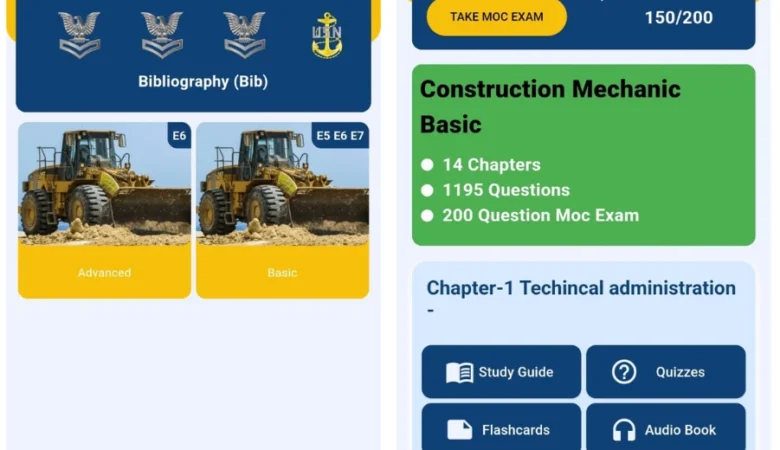
SeaBee – The Best Navy
SeaBee – The Best Navy Exam Study App Built for US Navy Seals Project Overview
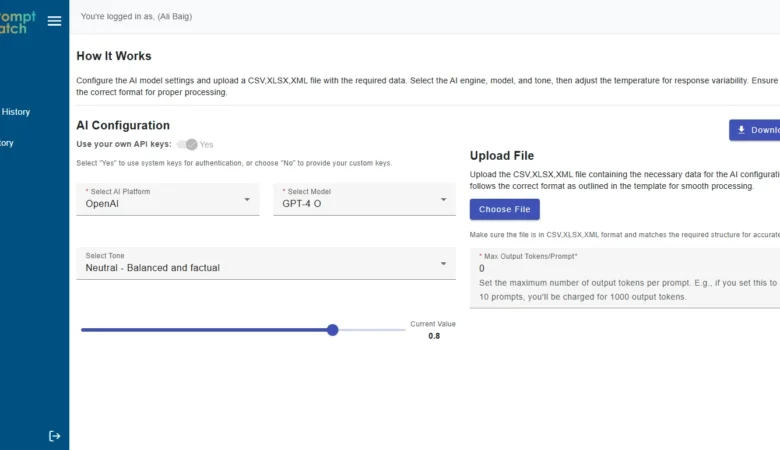
PromptBatch: Save 50% with AI
PromptBatch: The Best AI Batch Prompt Processing Web App | Orbilon Tech Project Overview PromptBatch
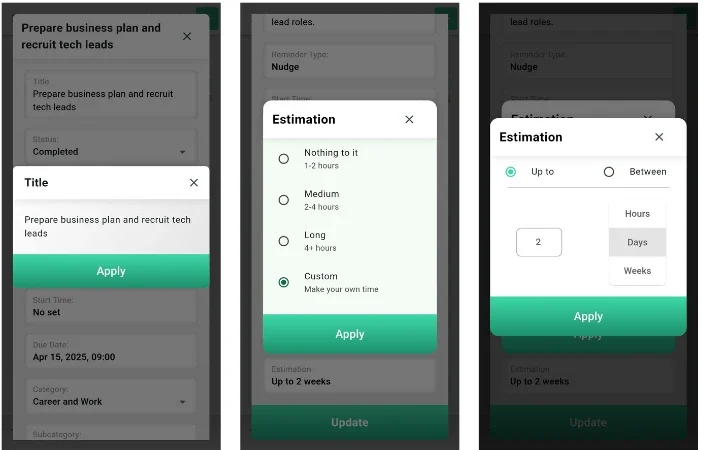
Spheres – The Revolutionary AI
Spheres – The Best AI Life Manager Mobile App That Actually Knows You Project Overview
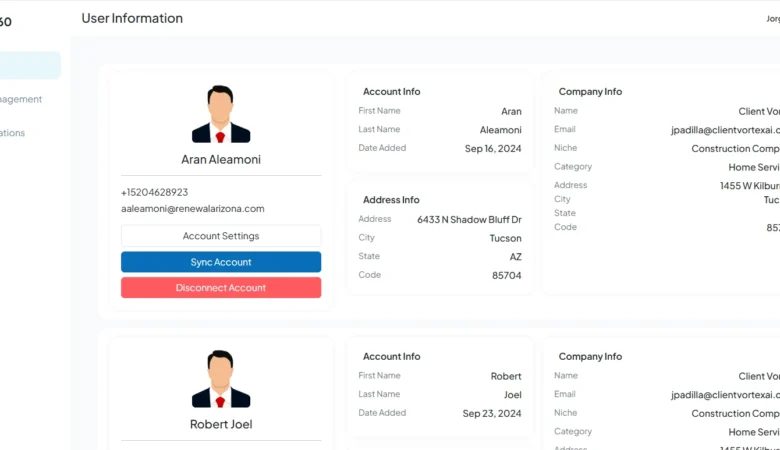
Rep360 AI – AI Bot
Rep360 AI – AI Bot Integration for GHL Workflows That Automates Sales Conversations Project Overview
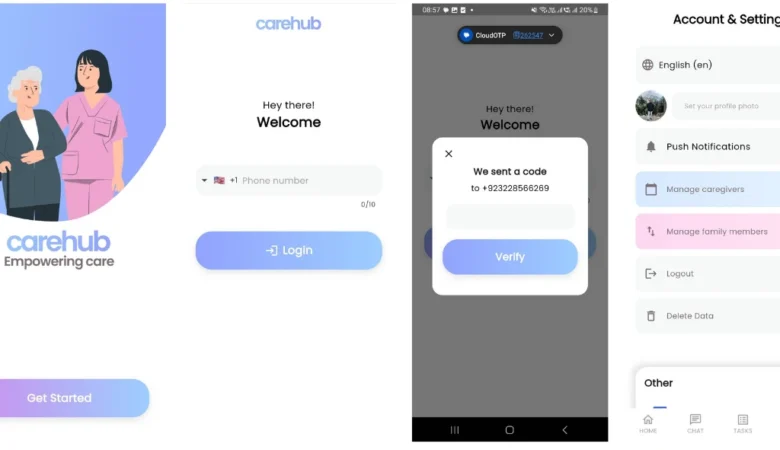
CareHub – Powerful Caregiver Communication
CareHub – Caregiver Communication App With Auto Translation CareHub App – Empowering Care CareHub is
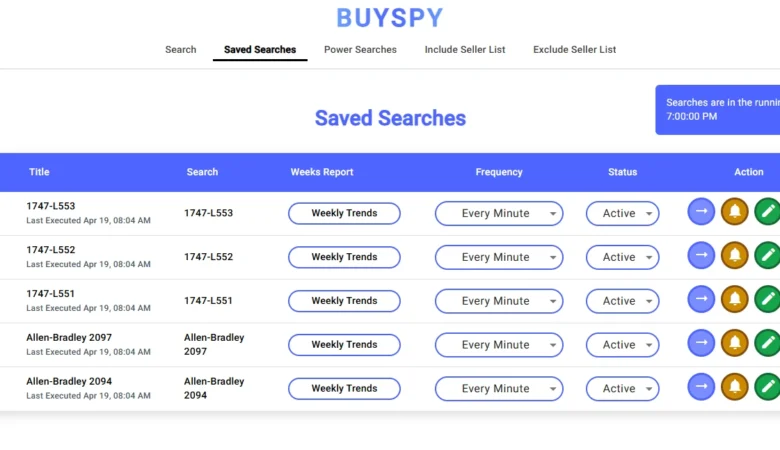
BuySpy – Ultimate Real-Time eBay
BuySpy — A Powerful Real-Time eBay Search Alerts App for Web & Mobile BuySpy is
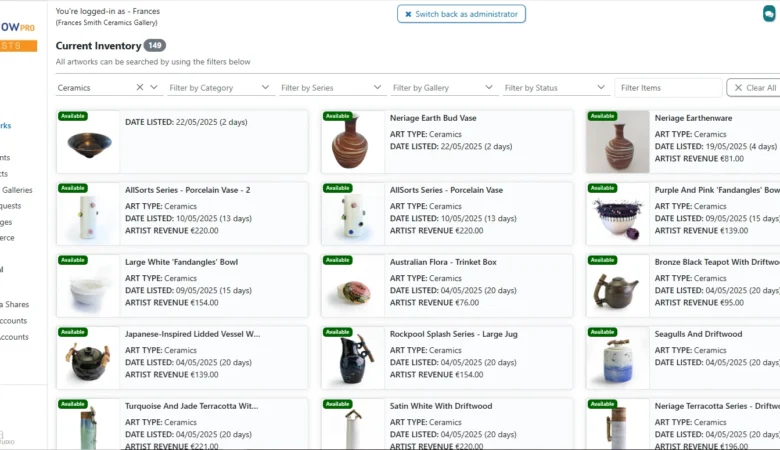
ArtFlow Pro — The Art
ArtFlow Pro — Full-Stack Art Gallery SaaS Platform for Artists & Galleries ArtFlow Pro –
What Our Clients Say on Clutch?
Here’s what some of our clients have to say:
Want to Hire Us?
Are you ready to turn your ideas into a reality? Hire Orbilon Technologies today and start working right away with qualified resources. We will take care of everything from design, development, security, quality assurance, and deployment. We are just a click away.