App Development in Durham, North Carolina | Orbilon Tech
Bull City Already Has a Reference App, and Every New Mobile Project Gets Quietly Measured Against It
Patients across the Triangle open My Duke Health on their phones every day. The app puts Duke Virtual Urgent Care, MyChart functionality, clinical trial browsing, video visits, secure messaging with care teams, and a structured health reference library into a single mobile surface that has earned daily-use status across the metro.
For any team thinking about shipping a healthcare-adjacent mobile product in Durham, that reality matters before a single line of code gets written. Local users have been trained on what an academic medical center can produce on iOS and Android, and they bring that expectation to your app on day one.
Durham operates from inside that benchmark. The Research Triangle ranks as the fifth-largest life-sciences cluster in the country, home to more than 600 life sciences companies employing over 42,000 professionals. Duke University and Duke Health, repeatedly ranked among the top ten US academic medical centers, sit at the cluster’s intellectual core.
IQVIA, the global clinical research organization headquartered in Durham, anchors the contract research economy. Publicly-traded biotechs, including BioCryst Pharmaceuticals (Nasdaq: BCRX), Humacyte (Nasdaq: HUMA), and Precision BioSciences, run alongside a startup pipeline emerging from BioLabs North Carolina, American Underground, and Duke Innovation & Entrepreneurship, including names like Codetta Bio, Tavros Therapeutics, Aerami Therapeutics, Altis Biosystems, and StrideBio.
For organizations looking for the best app development company in Durham, one that ships mobile products that survive App Store review, hold up under hospital IT security audits, satisfy clinical research data handling rules, and earn the kind of consumer trust Duke Health users default to, Orbilon Technologies delivers custom mobile app development in Durham across the full lifecycle. Native iOS with Swift 6 and SwiftUI on the iOS 26 SDK, native Android with Kotlin and Jetpack Compose, cross-platform delivery in Flutter and React Native, plus the backend, observability, and submission-ready compliance infrastructure that turns a working build into a defensible production system.
Apple's 2026 Platform Shift Changed What Triangle Mobile Teams Have to Ship?
A platform inflection landed earlier this year that resets the baseline for every serious mobile project in the metro. Apple confirmed that, beginning April 28, 2026, every new and updated submission to App Store Connect must be built against the iOS 26 SDK. The platform jumped from version 18 to version 26 to align naming across Apple’s lineup. Swift 6 brought compile-time data-race safety into the language itself. SwiftUI shipped the Liquid Glass material.
On-device foundation models surfaced through Apple Intelligence APIs. App Intents quietly took over as the canonical way to expose functionality across Siri, Spotlight, Shortcuts, and system-level discovery.
- For Durham healthcare, clinical research, and biotech mobile work, the practical consequences are specific. Concurrency safety has stopped being optional. Swift 6 catches data races at compile time rather than at runtime. Clinical and biotech apps handling real patient data, lab instrument output, or trial-coordination workflows can no longer afford the silent race conditions that legacy Swift codebases allowed. Many top mobile app developers in Durham, NC, have already moved their production builds to Swift 6, and Triangle buyers can tell when a vendor hasn’t.
- On-device AI quietly reshaped clinical app architecture. Apple Intelligence opens text generation, language understanding, and image generation surfaces that operate entirely on the user’s device. For Duke-adjacent apps and biotech tools handling protected health information or proprietary research data, this means meaningful AI features can ship without sending sensitive content to an external API. The security posture clinical procurement teams demand becomes easier to achieve, not harder.
- App Intents replaced the old way of integrating with Siri and Shortcuts. Defining AppIntent objects exposes app functions across voice, search, automation, and Apple Intelligence routing. Patient-facing healthcare apps that skip this layer miss the surfaces Triangle users now rely on to interact with their phones, including hands-free actions while driving and Spotlight-based fast access.
- Privacy Manifests are part of the submission packet. Apple now requires apps and their third-party SDKs to declare data collection patterns, API usage, and reasons for each. Healthcare apps integrating with EHR systems, biotech apps connecting to laboratory information platforms, and clinical research apps capturing protocol data all face strict authoring requirements here.
- Live Activities and Interactive Widgets work for clinical and research surfaces. Real-time visibility into appointment status, lab result availability, clinical trial enrollment progress, biomanufacturing batch step, and medication reminder timing all benefit from live surfaces that update outside the app. The Triangle’s mobile-fluent population now expects this layer, and apps that ignore it look behind the standard My Duke Health has set.
- Android target SDK requirements keep tightening. Google Play increases its minimum target SDK level on a published cadence. Apps falling behind get locked out of new installs and updates. The pre-launch report exercises each build on real devices, surfacing crashes, ANRs, and security findings that reviewers will see before a human ever opens the binary.
HIPAA, 21 CFR Part 11, and the Compliance Layers That Define Durham Mobile
Mobile compliance in this metro feels heavier than the typical app project elsewhere. Patient-facing apps hit HIPAA at pretty much every layer, and if it’s clinical research apps, then 21 CFR Part 11 comes into the picture too. And for mobile products that actually influence clinical decisions, you’re looking at FDA software-as-medical-device classification. HIPAA-compliant app development in Durham kinda sits right where all of that overlaps, even when nobody asked for it.
- Protected health information has to be defensible at the device level, not just “we encrypt on the server” and call it a day. So you end up with local storage encryption using iOS Keychain and Android Keystore, encrypted databases through SQLCipher or encrypted Room, session handling that survives device backgrounding without leaking anything, plus controlled data wipe paths on logout or session expiration. On top of that, Business Associate Agreements have to cover every cloud service that touches patient data. The threat model usually includes lost devices, hostile networks, and compromised user accounts, not only server-side attackers, because, frankly, attackers love the easy routes.
- Authentication gets layered on purpose for clinical contexts. Face ID, Touch ID, and Android BiometricPrompt are typically the primary unlock methods; then, a passcode fallback is required, and you have to explicitly handle biometric enrollment changes. Clinical apps also add step-up authentication for high-stakes actions like prescription approval, or treatment decision input, and session timeouts have to be tuned for shared-device clinical environments, not for some single-user “my phone is mine forever” world.
- Now, 21 CFR Part 11 is where records and signatures supporting FDA submissions start to matter a lot. Clinical trial apps, eConsent platforms, electronic data capture EDC systems, and basically any mobile workflow that produces records supporting drug or device approval face Part 11 requirements. The list keeps going: tamper-evident audit trails on every record creation and modification, role-based access controls with explicit privilege separation, electronic signature handling that traces back to the signer, system validation documentation, and change control records that align with regulatory expectations. Clinical trial mobile app Durham projects shipping into IQVIA-adjacent CRO work or Duke-affiliated research tend to meet this layer from day one, not like “later”.
- FDA software-as-medical-device classification reshapes the scope, and it can get a bit brutal. Mobile apps that diagnose, treat, monitor, or directly influence clinical decisions can land in FDA SaMD territory. Classification then drives validation depth, the premarket review pathway, and even post-market surveillance commitments. Durham digital-health products and biotech tools aimed at clinical use often need a real FDA strategy baked into the engineering plan, not a year-two add-on that people promise they’ll do.
- Also, ePRO and eCOA mobile isn’t just “build a questionnaire app”, it’s its own discipline. Electronic Patient-Reported Outcomes and Electronic Clinical Outcome Assessment apps capture data that supports regulatory submissions, so the architecture has to cover reliable questionnaire scheduling, validated delivery of clinical instruments, geofencing when protocols require it, offline-first capture with conflict resolution, and submission-grade audit logs. That’s what separates serious biotech mobile app development in Durham from generic survey-app work that can’t survive a sponsor audit, because audits are not gentle.
- For integration, FHIR R5 is the default standard now. Apps connecting to Duke MyChart, the broader Epic ecosystem, and the US healthcare data infrastructure are expected to support Fast Healthcare Interoperability Resources Release 5. And then there’s SMART on FHIR for authentication, plus FHIR Bulk Data Access for population-scale workflows, with clean mapping to Patient, Observation, Encounter, and MedicationRequest resource models that clinical apps need in practice.
- Mobile accessibility also tracks the same DOJ guidance as the web does. You’re talking screen reader walkthroughs with VoiceOver and TalkBack, touch target sizing that meets platform minimums, color contrast across Light and Dark Mode, Dynamic Type scaling that does not wreck the layout, and reduced-motion handling for patients with vestibular sensitivities. Durham healthcare-adjacent apps run into these expectations directly, and honestly, the litigation history across North Carolina makes it clear that skipping accessibility is not some cheap shortcut.
The Mobile Use Cases Driving Real Durham Engagements
The metro is not a single mobile market. The demand splits naturally across distinct buyer types, each with its own technical expectations. Generic templates do not survive contact with any of them.
- Clinical research and trial-support mobile. IQVIA’s headquarters presence, Duke Clinical Research Institute’s global trial portfolio, and the mid-size CRO layer across RTP combine to produce constant demand for eConsent apps, ePRO and eCOA platforms, decentralized clinical trial (DCT) support tools, patient recruitment apps, and protocol-driven data capture. Reliability is the deliverable here, not novelty.
- Patient-facing healthcare mobile. My Duke Health, Duke Virtual Urgent Care extensions, telehealth platforms, post-surgical recovery tools, chronic disease management apps, and disease-specific support communities all measure against the local benchmark. HIPAA-aware architecture, FHIR R5 integration, biometric unlock patterns, and the UX restraint Duke Health has trained users to expect from the baseline.
- Biotech operations and lab workflow mobile. Codetta Bio, Tavros Therapeutics, Aerami Therapeutics, Altis Biosystems, StrideBio, and the broader BioLabs NC tenant base increasingly need internal mobile tools. Use cases include laboratory data capture during experiments, instrument output collection, biomanufacturing batch tracking, sample chain-of-custody recording, and the field-data workflows pharmaceutical and biotech operations actually run. The bar here favors reliability and offline-first behavior over consumer polish.
- Duke University research and spinout mobile. Duke Innovation & Entrepreneurship, Duke Institute for Health Innovation, and the broader Duke research pipeline produce digital-health and mobile projects that need MVP-grade engineering, pilot deployment infrastructure, and investor-demo-ready quality. Mobile work in this orbit navigates Duke’s IRB processes, IT security review, and the academic IP conventions Duke Office of Licensing and Ventures manages.
- B2B SaaS companion mobile. Durham SaaS startups backed by Hatteras Venture Partners and Cape Fear BioCapital, alongside the RTP enterprise software layer, increasingly need mobile companion apps for their core platforms. The work centers on admin tools, sales-rep apps, field-service interfaces, and customer-facing dashboards that stay in sync with the web product.
- Consumer and Bull City brand mobile. The downtown Durham consumer ecosystem of breweries, hospitality brands, fitness operators, lifestyle products, and DTC commerce competes against well-funded national alternatives in the App Store search results. The bar here is polish, animation quality, App Store conversion strategy, and launch sequencing that protects ratings during early-cohort issues.
- Higher-education mobile. Duke, NC Central University, and Durham Technical Community College (recently the recipient of a $250,000 Biogen grant marking the company’s 30th anniversary in RTP) all operate in the metro. EdTech mobile apps in this orbit need SSO integration, secure content delivery, offline media playback, and Section 504 and IDEA accessibility built into the design system.
Our Mobile Engineering Stack for Bull City Builds
The architectural decisions made in the first two sprints determine whether a Durham mobile project survives its first compliance review and its first major OS upgrade. We pick stacks that have already proved out in the 2026 mobile reality, with iOS 26 deployment targets, Swift 6 concurrency, modern Android API levels, the Apple and Google submission rules now enforced, and the compliance layers Triangle buyers require.
- Native iOS in Swift 6 against iOS 26. SwiftUI for net-new builds, UIKit interop where established codebases demand it, async/await and structured concurrency replacing older Combine and callback styles, SwiftData for greenfield local persistence, Core Data where the existing schema warrants it, App Intents wired in from sprint one, Privacy Manifests authored alongside the build, and Apple Intelligence integration where the use case benefits from on-device AI. iOS app development Durham at the level Duke-adjacent procurement expects requires Swift 6 as a production fluency, not a learning project.
- Native Android with Kotlin and Jetpack Compose. Compose with Material 3 across every screen, Kotlin Coroutines and Flow for asynchronous work, Room with encryption for local persistence, current target SDK aligned to Google Play’s enforcement schedule, Edge-to-Edge layouts that handle modern display cutouts gracefully, predictive back gesture support, and TalkBack tested across every release before submission. Android app development in Durham has moved past XML view-based UI, and our work reflects that shift.
- Cross-platform delivery. Flutter (Dart) for design-led products that need visual parity across iOS and Android, with Impeller rendering smoothing animation performance. Spheres, our consumer AI life-planning app, lives on both stores and was built in Flutter. Flutter developers in Durham, NC, teams should expect this level of finish from a cross-platform partner. React Native app development in Durham through the new architecture (Fabric, TurboModules, Hermes) for teams whose web and mobile share TypeScript components and where business logic reuse drives the choice.
- Mobile backends. Node.js (Fastify, NestJS), Python (FastAPI, Django), Go for performance-critical services, and .NET 9, where the buyer’s stack already runs on it. Serverless deployment through AWS Lambda, Azure Functions, and Cloudflare Workers, where workload shape fits. Firebase (Authentication, Firestore, Cloud Functions, FCM) and AWS Amplify when delivery speed outweighs backend ownership. PostgreSQL with row-level security for multi-tenant data isolation, Redis for caching and sessions.
- HIPAA-aware healthcare mobile stack. Encrypted-at-rest storage, BAA-covered cloud services, audit logging meeting HIPAA standards, BAA-eligible cloud AI services (AWS Bedrock with BAA, Azure OpenAI under BAA) when AI features touch PHI, and the device-side hardening, clinical reviewers actively verify before signing.
- 21 CFR Part 11 architecture. Tamper-evident audit trails on every record write, role-based access with explicit privilege separation, electronic signature handling that traces back to the signer through cryptographic linkage, validation documentation, and change control records.
- FHIR R5 integration layer. SMART on FHIR for OAuth-based authentication flows with EHRs, FHIR Bulk Data Access for population-scale workflows, and resource model mapping that produces clean integration with Epic-based systems like Duke MyChart.
- Authentication, biometrics, and identity. OAuth 2.0 with PKCE on every backend integration, OpenID Connect, Sign in with Apple, Google Sign-In, Face ID, Touch ID, and BiometricPrompt as primary unlock paths. Clinical contexts add step-up authentication, device fingerprinting, and explicit handling of biometric enrollment changes.
- Analytics, experimentation, and crash monitoring. Firebase Analytics, Mixpanel, Amplitude, RevenueCat for subscription-driven apps, Sentry and Crashlytics for crash and ANR observability, plus feature flag platforms (LaunchDarkly, ConfigCat) for progressive release strategies.
- Submission and launch operations. App Store Connect and Google Play Console workflows, TestFlight and internal-track sequencing, App Privacy declarations, Privacy Manifest authoring, target SDK compliance, IDFA and ATT handling, and the cohort-level launch strategy that protects ratings during the high-volatility early days after release.
Our Clutch profile shows what this stack produces in active production work, with a verified rating built from real client interviews.
Mobile Service Lines Mapped to Durham Industries
The Bull City mobile demand can be divided into groups of buyers that we recognize, and we plan our delivery around how each of these groups buys things.
We work with Biotech, Clinical Research, and Life-Sciences Mobile.
- When it comes to Mobile App Development, we do it in a way. We make native iOS apps using Swift 6 and native Android apps using Kotlin and Compose. We also make cross-platform apps using Flutter and React Native. We send them to the App Store and Google Play. We build these apps with an architecture that meets the requirements of 21 CFR Part 11 audit, and we include features like eConsent and ePRO/eCOA patterns. We also integrate FHIR R5. Make sure to have the right validation documentation that companies like IQVIA-adjacent CRO engagements need.
- We also do AI Development & Integration. This includes using machine learning on devices via Core ML and TensorFlow Lite. We integrate Apple Intelligence into apps when we cannot make external API calls. We use LLM-powered features for decision support, document understanding, and biomarker analysis. We make sure our architecture is aware of HIPAA, and we have evaluation harnesses that meet the expectations of Triangle buyers.
- For Cloud Infrastructure / DevOps, we use backends on AWS, Azure, and Google Cloud. We have CI/CD pipelines through Fastlane and Bitrise. We use Terraform-driven infrastructure-as-code. Our hosting is aware of HIPAA, SOC 2, and 21 CFR Part 11. It can withstand compliance audits.
We also work with Healthcare, Duke-Adjacent, and Patient-Facing Mobile.
- One of the things we do is make Agentive AI Apps. These are apps with autonomous AI agents that can schedule appointments, handle prior authorization, review documents, and approve workflows. We design these apps with oversight, audit-grade logging, and regulated workflow patterns that companies like Duke Health, IQVIA-adjacent CROs, and Triangle clinical buyers use.
- We also do SaaS Product Development. This includes making multi- SaaS with mobile companion apps, RevenueCat-managed subscriptions, role-based access, and unified design across web and mobile. This is what Duke spinout founders, biotech SaaS startups, and clinical research SaaS need from a partner who understands both engineering and compliance.
- For UI/UX Design, we make the first design systems that follow Apple Human Interface Guidelines and Material 3. We test our designs with VoiceOver, TalkBack, Dynamic Type, and reduced-motion testing on devices. This is the kind of accessibility that every Duke-adjacent buyer now expects from a partner.
We also work with B2B, Consumer, Education, and Field-Service Mobile.
- For E-commerce Development, we make mobile-first commerce apps and companion mobile experiences for Shopify Plus, WooCommerce, and Magento. We include features, like Apple Pay, Google Pay, fraud prevention, and platform-native payment flows that Durham consumer brands, breweries, and DTC operators need.
- We also do Web Development, which includes making companion web platforms, marketing sites, and admin dashboards that pair well with the apps we build. We use a design system that works across every customer touchpoint.
- Finally, we do Custom CRM Development. This includes making CRM platforms with sales-rep apps, field-service interfaces, and offline-first data sync. We build these platforms to fit into business development workflows that biotech sales teams selling into pharma and Triangle CROs already use.
Apps Already Earning Real User Ratings
A portfolio section that fills with mockups proves nothing about production readiness. Two live apps already serving actual users tell the story directly.
- Spheres: An AI Life Manager That Earns Its Five-Star Reviews on Both Stores – A consumer mobile product built on OpenAI’s API surface that takes natural language input and produces organized daily plans, prioritized task lists, and goal tracking with progress visibility. Built in Flutter, distributed through Apple App Store and Google Play, with verified user ratings and active retention from real users using it daily. Why this matters for Durham: the launch craft, the App Store and Play Store conversion work, and the production reliability that a consumer app needs to compete against well-funded national alternatives. Smooth onboarding flow, considered animation, real-time sync between devices, push notification timing that does not get the app disabled, and the rating prompt strategy that produces five-star reviews from satisfied users instead of three-star reviews from frustrated ones. The same Polish Duke spinout founders building patient-facing apps, Bull City consumer brands, and DTC product teams need to break through.
- CareHub: A Caregiver Communication Platform Built for Multilingual Households – A communication platform designed for caregivers coordinating across language barriers, with auto-translation in the message flow, structured shift-handoff notes, and a UX clean enough that exhausted real-world users can pick it up without training. Why this matters for Durham: healthcare-adjacent mobile work that handles language complexity, accessibility, and the UX restraint Duke clinical and biotech buyers actually evaluate. Real-time messaging at scale, multilingual content delivery without compromising message integrity, and moderation patterns that fit regulated workflows. The same architecture pattern for clinical-staff communication apps, patient-family coordination tools, and care-coordination platforms from day one.
Work Highlights
Some of our best works from many
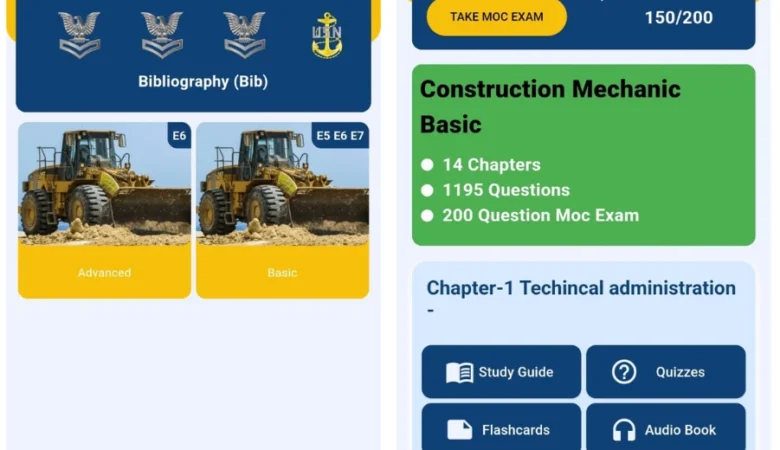
SeaBee – The Best Navy
SeaBee – The Best Navy Exam Study App Built for US Navy Seals Project Overview SeaBee is a free, comprehensive
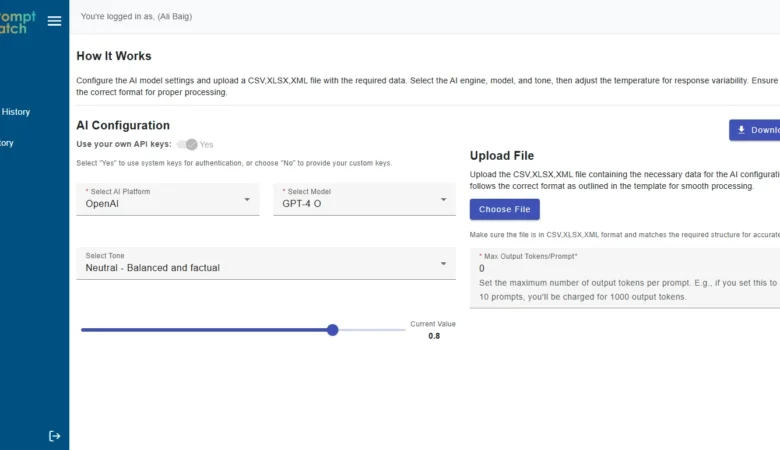
PromptBatch: Save 50% with AI
PromptBatch: The Best AI Batch Prompt Processing Web App | Orbilon Tech Project Overview PromptBatch Portal is a powerful AI
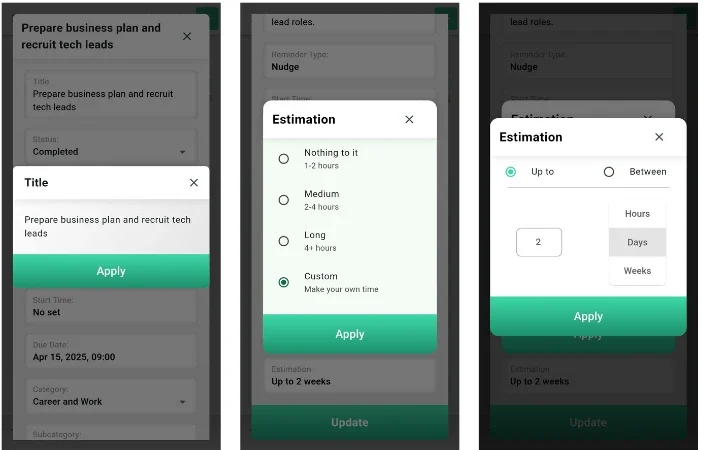
Spheres – The Revolutionary AI
Spheres – The Best AI Life Manager Mobile App That Actually Knows You Project Overview Spheres – Life Simplified is
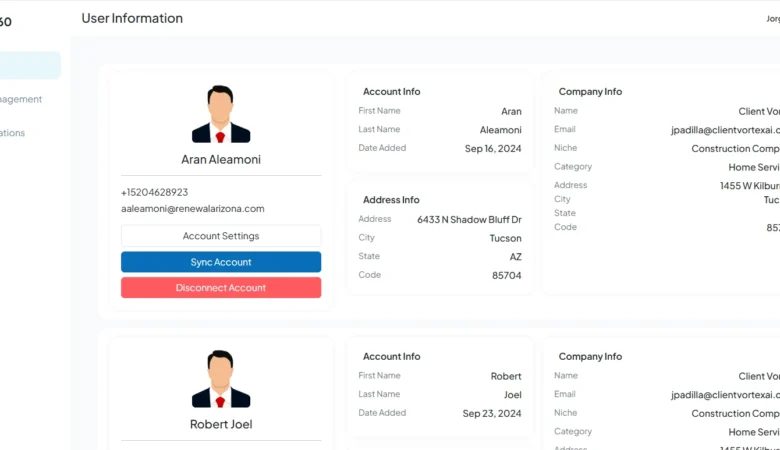
Rep360 AI – AI Bot
Rep360 AI – AI Bot Integration for GHL Workflows That Automates Sales Conversations Project Overview Rep360 AI is a fully
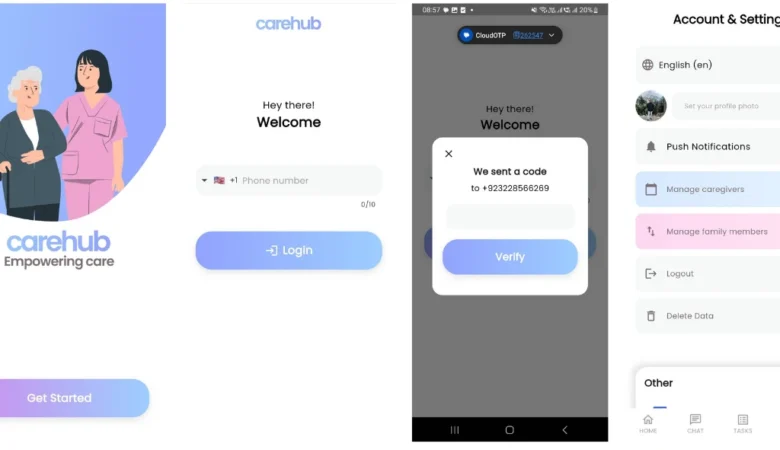
CareHub – Powerful Caregiver Communication
CareHub – Caregiver Communication App With Auto Translation CareHub App – Empowering Care CareHub is a powerful caregiver communication app
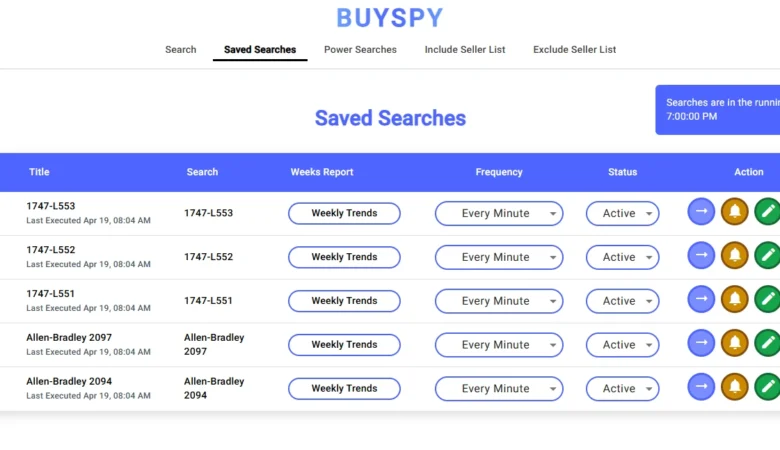
BuySpy – Ultimate Real-Time eBay
BuySpy — A Powerful Real-Time eBay Search Alerts App for Web & Mobile BuySpy is a real-time eBay search alerts
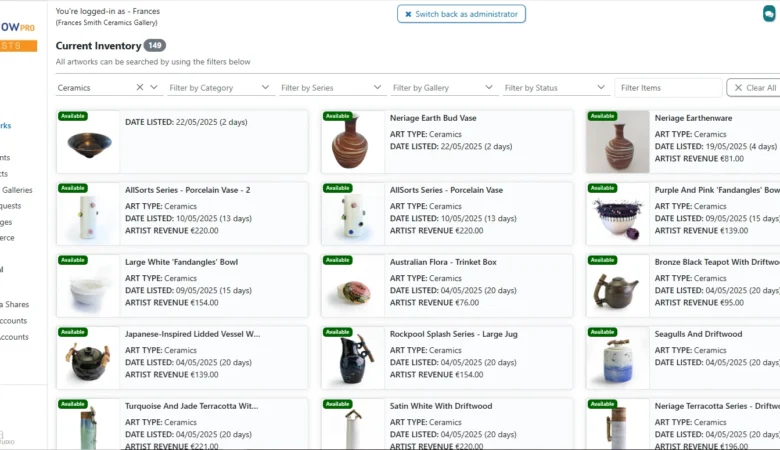
ArtFlow Pro — The Art
ArtFlow Pro — Full-Stack Art Gallery SaaS Platform for Artists & Galleries ArtFlow Pro – Streamline the Artwork Sales ArtFlow
Verified Client Voices Through Clutch Interviews
Here’s what some of our clients have to say:
Want to Hire Us?
Are you ready to turn your ideas into a reality? Hire Orbilon Technologies today and start working right away with qualified resources. We will take care of everything from design, development, security, quality assurance, and deployment. We are just a click away.