
Web Development in Cary, North Carolina | Orbilon Tech
Two of the World's Biggest Software Companies Call Cary Home. That Reshapes What a Website Has to Prove Here.
Web development in Cary unfolds in a town that, despite its modest size, hosts two genuine software heavyweights. SAS, founded in 1976 and headquartered on a sprawling Cary campus, is the largest privately-held software company in the world, generating north of $3 billion in annual revenue from analytics and AI software used at tens of thousands of sites across more than 140 countries.
Epic Games, the creator of Fortnite and Unreal Engine, runs its global headquarters from Cary with roughly 5,500 employees, powering one of the largest games on earth alongside the 3D engine that renders worlds across film, automotive, architecture, and simulation. In 2025, the two Cary neighbors struck their first partnership, pairing SAS analytics with Epic’s Unreal Engine on digital twin technology.
When a town this size produces software at that scale, the local definition of a good website moves with it.
The buyers evaluating your site in Cary tend to come from, or sell into, that orbit. The town sits inside the Research Triangle, minutes from Research Triangle Park, drawing on the same talent pool that feeds IBM, Cisco, Lenovo, MetLife’s technology operations, Fidelity Investments, and the broader Triangle technology economy. Cary consistently ranks among the safest and most educated towns in the United States, with a population that skews heavily toward engineers, data scientists, and technology professionals. That demographic reality means the person reviewing your website is statistically likely to understand exactly how it was built, and to notice when it was built poorly.
For businesses seeking the best web development company in Cary, one that ships sites cleared for enterprise-grade engineering review, software-town technical scrutiny, and the accessibility and performance standards a tech-literate population takes for granted, Orbilon Technologies delivers custom website development in Cary end-to-end. Built with modern stacks including Next.js, React, Node.js, Python, .NET, and Laravel, paired with the API integrations and workflow automations that connect your website to the analytics platforms, payment systems, and CRM tools already running your operation.
Marketing sites, e-commerce platforms, SaaS web applications, headless CMS migrations, and performance-driven redesigns.
Why a Town Full of Software Engineers Quietly Holds Websites to a Higher Standard?
The defining feature of the Cary web market is its audience. This is a town where SAS data scientists, Epic Games engineers, and Triangle software professionals make up a disproportionate share of the population and the buyer base. A marketing director here often has an engineer spouse. A small-business owner frequently has a software background. The result is a market that evaluates websites with unusual technical literacy, and rewards vendors who build correctly the first time.
Here is what that audience actually expects from a serious web project.
- Performance is judged instinctively, not just measured. A population trained on SAS dashboards and Epic’s frame-perfect rendering notices lag, layout shift, and sluggish interaction without needing a Lighthouse report. Production sites here ship with Largest Contentful Paint under 2.5 seconds, Interaction to Next Paint under 200 milliseconds, and Cumulative Layout Shift under 0.1, verified on real devices rather than lab simulations.
- Clean architecture earns trust in the first technical conversation. When the buyer or their network can read your code, semantic HTML, sensible component structure, accessible markup, and a maintainable build matter as much as the visual design. Hire web developers in Cary who cut corners on architecture, and the shortcut surfaces the moment a technically literate stakeholder inspects the page.
- Accessibility is treated as engineering, not compliance theater. WCAG 2.1 Level AA built into the design system, with keyboard navigation, screen-reader-tested patterns, sufficient color contrast, and visible focus states. North Carolina’s public-sector entities face an April 26, 2027, accessibility deadline against WCAG 2.1 AA, and the litigation history across the state makes accessibility a real consideration for private businesses, too. A tech-aware Cary buyer expects it to be handled from sprint one.
- Integration capability separates real platforms from brochures. Cary’s software-adjacent buyers expect websites that talk cleanly to analytics platforms, payment processors, CRMs, and internal data systems through well-designed APIs. Enterprise web development Cary means building for the API economy, not shipping a static site that cannot connect to the tools the business runs on.
- Maintainability is a purchasing criterion. Buyers here think in total cost of ownership, not just launch cost. They ask about framework upgrade paths, dependency management, documentation quality, and how the site will age. Vendors who build on sustainable, well-supported stacks win the long-term relationship.
The vendors who succeed in Cary understand that a technically sophisticated audience is an opportunity, not an obstacle. Build it right, and the same literacy that exposes weak work becomes the reason your craftsmanship gets recognized and referred to.
Where Web Development Demand Concentrates Across Cary Right Now?
Cary is kinda not just one market. It stretches across enterprise software, gaming and interactive media, financial services, technology professional services, and also a pretty prosperous consumer layer. The top web developers in Cary, NC, teams usually start every engagement by figuring out which segment the buyer is actually living in, not just what they say they do.
- Enterprise software and SaaS platforms. With SAS acting as a main anchor for the analytics world and a dense ring of Triangle software companies orbiting it, Cary pulls in steady demand for SaaS marketing sites, developer documentation portals, product-led-growth landing pages, and customer dashboards. SaaS web development in this lane gets reviewed by the same folks who ship enterprise software, so performance budgets, analytics instrumentation, and a clean architecture are basically the floor, not the goal.
- Gaming, interactive media, and creator platforms. Epic Games’ headquarters presence has seeded a local ecosystem of game studios, Unreal Engine developers, interactive media shops, and creator-economy ventures. Web work in this orbit tends to favor high-performance interactive sites, WebGL, 3D experiences, creator portals, community platforms, and that visually loud front-end engineering that still holds up when you compare it to gaming-industry production standards.
- Financial services and fintech technology. MetLife runs a major technology hub in Cary, Fidelity Investments operates a significant Triangle presence, and the wider financial-services-technology layer keeps pushing demand for secure web platforms, customer portals, and compliance-aware builds. In this segment, sites are expected to ship with SOC 2-aware infrastructure, strong authentication, and audit-grade documentation that financial services procurement tends to expect, without much flexibility.
- Professional services and B2B firms. Cary’s affluent, educated population backs a deep professional-services economy covering consulting, legal, medical practices, financial advisors, and specialized B2B firms. Web work here leans into credibility-driven design, lead-generation architecture, content marketing infrastructure, and CRM integration that turns site traffic into something more pipeline-shaped.
- Consumer brands and local commerce. Cary’s high household incomes and dense retail corridors support a thriving consumer economy of restaurants, fitness studios, retail brands, and direct-to-consumer products. E-commerce platforms, brand-led design systems, and conversion-optimized storefronts on Shopify Plus headless commerce stacks basically anchor this part of the market.
- Education and EdTech platforms. With strong public schools, proximity to NC State Wake Technical Community College, and a parent community that really prioritizes education, Cary supports EdTech ventures, tutoring platforms, and education-adjacent web products that need secure authentication, accessible interfaces, and a content management setup built for editorial teams that are not necessarily technical.
The Engineering Approach Behind Every Cary Web Build
We don’t try to catalog every framework that exists out there. We just name the layers that reliably decide whether a site can survive a Cary-grade review, where the audience is enterprise software engineers, people building for the gaming industry, financial services technologists, and a wider tech-literate crowd. Really solid architectural choices—that’s the difference between professional custom website development in Cary and something that looks fine until a qualified person actually checks it.
- Frontend frameworks. Next.js 15 with the App Router plus React 19, usually for server-side rendering and extra dynamic surface area. Astro, when the goal is high-performance, content-led delivery. Vue 3 with Nuxt when the team prefers that flow. The senior React developers in Cary, NC, tend to expect to have already shipped inside enterprise performance budgets and with gaming-grade front-end standards. It’s TypeScript-first end-to-end, so the contracts between frontend and backend stay clear, explicit, and maintainable.
- Content management and CMS. Headless WordPress with a React or Next.js frontend, or traditional WordPress when the editorial group wants a more familiar admin experience. Then, for structured content and multi-locale workflows, options like Sanity, Strapi, and Contentful show up. Production-grade WordPress development Cary teams deliver includes hardened security, custom blocks, and a caching architecture that can handle real traffic without leaning on bloated plugin stacks—because that’s what makes WordPress feel risky to technical buyers.
- Backend platforms. Node.js stacks like Express, Fastify, and NestJS. Python with Django or FastAPI. Go for performance-critical services. .NET 9 when the buyer’s existing systems pull them in that direction. More enterprise and SaaS builds are moving toward TypeScript-first services, or Go services, with explicit input validation, contract testing, and structured logging that doesn’t vanish the moment you need it.
- E-commerce engines. Shopify (both Plus and standard), WooCommerce, Magento (Adobe Commerce), and BigCommerce—picked based on SKU volume, whether the model is B2B or direct-to-consumer, how deep the ERP integration has to go, and how much custom checkout logic the project truly needs. Production-grade e-commerce web development in Cary, NC, for the area’s more affluent consumer market starts with the right platform decision first, not a retrofit later, after everything is already tangled.
- Performance and hosting. Vercel, Cloudflare (Workers and Pages), AWS (CloudFront, Lambda, ECS), and Azure App Service. We choose based on latency targets, edge requirements, and data residency rules. The sites we build are instrumented with Real User Monitoring, Core Web Vitals dashboards, and page-weight budgets that are enforced in continuous integration so performance can’t quietly slide backward between releases.
- Security and compliance. TLS 1.3, strict Content-Security-Policy, Subresource Integrity, OWASP Top 10 hardening, plus SSO integrations like Okta, Auth0, and Azure AD. Financial services and enterprise projects ship with SOC 2-aware logging, audit trails, and the data-handling documentation that procurement teams typically require before anything gets signed off.
- Accessibility and SEO infrastructure. We build every component to WCAG 2.1 Level AA, with automated axe-core scans in CI and manual screen-reader checks for every release. Technical SEO is baked in using structured data, semantic HTML, internal linking, XML sitemaps, and Core Web Vitals optimization. Analytics typically includes GA4, with conversion tracking mapped back to the buyer’s CRM.
And yeah, our Clutch profile reflects what this approach produces in real active production work, backed by a verified rating pulled from interviews with actual clients.
Web Services Mapped to Cary's Buyer Segments
Cary kind of spans a bunch of buyer types, you know, enterprise software and SaaS, gaming, interactive media, financial services tech too, professional services, plus consumer brands, all at once. We run deliveries a little differently depending on how each segment frames what it needs, so instead of using a one-size template, we build Cary, NC web design around the specific industry context.
For Enterprise Software, SaaS, and Tech Teams
- Web Development: SaaS marketing sites, developer documentation portals, and product-led-growth experiences that are engineered for enterprise-level performance, with WCAG 2.1 AA accessibility, Core Web Vitals tuning, and analytics instrumentation that actually connects back to product telemetry.
- SaaS Product Development: Multi-tenant SaaS web platforms with subscription billing, role-based access control, audit logging, and observability embedded from day one, especially for software founders going after the enterprise market, and yes, the Triangle tech economy vibes fit here too.
- Cloud Infrastructure / DevOps: AWS, Azure, and Google Cloud architecture, CI/CD pipelines, and infrastructure-as-code using Terraform. Also, SOC 2 and HIPAA-aware hosting that should hold up under technical scrutiny, not just marketing fluff.
For Gaming, Financial Services, and B2B Firms
- AI Development & Integration: intelligent search, content personalization, document understanding, and AI-driven workflow automation that gets integrated into web platforms, built with the kind of evaluation and observability serious deployments tend to require.
- Custom CRM Development: CRM platforms that bring lead scoring, pipeline automation, and integrations to financial data sources, plus marketing systems, tuned for B2B and financial-services sales cycles that are pretty common around Cary.
- Mobile App Development: Native iOS, native Android, and Flutter-style cross-platform apps that pair well with the websites we build, sharing basically one design system across every customer surface, not just “close enough”.
For Consumer Brands, Professional Services, and Education
- E-commerce Development: Shopify Plus, WooCommerce, and Magento build with secure checkout, fraud prevention, and conversion-optimized storefronts for Cary’s more affluent consumer audience and direct-to-consumer brands.
- Agentive AI Apps: autonomous AI agents for appointment scheduling, document review, and approval workflows, with human-in-the-loop oversight baked in, which matters a lot for professional service and B2B operations.
- UI/UX Design: Design systems that can survive accessibility audits, brand reviews, and real-world conversion testing on both web and mobile , built for an audience that notices quality, even when it’s subtle.
Web and Software Services for Baltimore's Economy
Baltimore’s economy is strong in areas like healthcare and biomedical research, financial services, federal contracting, biotech and life sciences, port logistics, sports and entertainment, and consumer brands. Each of these areas needs websites that work well.
- Web Development: We create custom websites using React and Node.js. These websites are optimized for search engines, work well on devices, and have security features. They also meet Section 508 compliance. Are built to handle scrutiny from Baltimore’s healthcare and finance industries.
- E-commerce Development: Our online platforms have secure checkout systems, real-time inventory tracking, and AI-powered product recommendations. We ensure that our infrastructure meets PCI compliance standards for both B2B and consumer commerce.
- Mobile App Development: We develop iOS and Android apps as well as cross-platform apps. This way, we can turn your web product into an app that Baltimore’s businesses and consumers will love.
- AI Development & Integration: We add features to websites, such as chatbots, document processing, and predictive analytics. Our AI-powered automation meets compliance logging requirements for healthcare, finance, and research.
- Custom CRM Development: Our web-based CRM platforms are designed to meet the needs of Baltimore’s healthcare patient acquisition, fintech sales pipelines, and B2B research workflows.
- Agentive AI Apps: Our AI agents can handle tasks like lead routing, document review, and claims processing. They also have oversight where regulations require it.
- UI/UX Design: We design interfaces that’re accessible, fast, and professional. Our goal is to create interfaces that convert buyers, and we achieve this by understanding Baltimore’s regulated, technical, and academic audience.
- SaaS Product Development: We develop subscription platforms with tenant architecture, billing systems, and cloud backends. Our platforms are built for Baltimore’s healthcare, fintech, and AI startup ecosystem.
- Cloud Infrastructure / DevOps: We deploy production environments on AWS, Azure, or GCP with CI/CD pipelines, monitoring, auto-scaling, and HIPAA/SOC 2-aware hosting. This ensures that our regulated workloads meet the standards.
Builds That Match the Cary Standard
We are not going to fill this section with a bunch of logos. Two real examples make the point clearly.
- ArtFlow Pro: A Multi-Tenant SaaS Platform Built for Real Production Use – ArtFlow Pro is a web platform designed for galleries and dealers to manage artist rosters, inventory, sales, consignment, and reporting. It has a subscription system, role-based access control, and multi-tenant data isolation. The admin surface can handle hundreds of customer accounts. Cary ArtFlow Pro shows that we can build enterprise-level software. It has tenant isolation that passes technical review, a billing infrastructure that can handle growth, audit trails that engineers can track, and a design system that stays consistent even with 500 customers. The same infrastructure applies whether the platform serves galleries or financial tools.
- BuySpy: Real-Time Search Alerts at Consumer Scale – BuySpy is a web and mobile platform that searches the eBay API continuously. It sends real-time alerts when matching items are listed. It also manages rate limits, queue handling, and notification delivery. For Cary, BuySpy shows that we can integrate with third-party APIs. This is a challenge for enterprise SaaS, fintech platforms, and consumer products. BuySpy has webhooks, retry systems, queue management, and a user-friendly interface. It handles backend tasks, which is the kind of work that engineers respect.
Work Highlights
Some of our best works from many
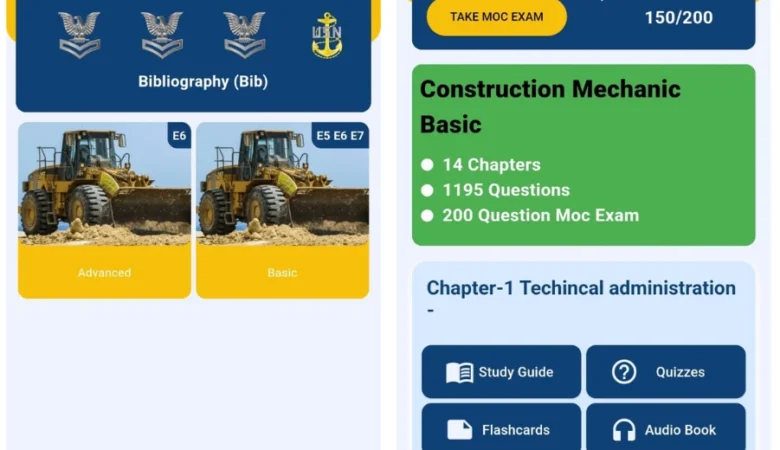
SeaBee – The Best Navy
SeaBee – The Best Navy Exam Study App Built for US Navy Seals Project Overview SeaBee is a free, comprehensive
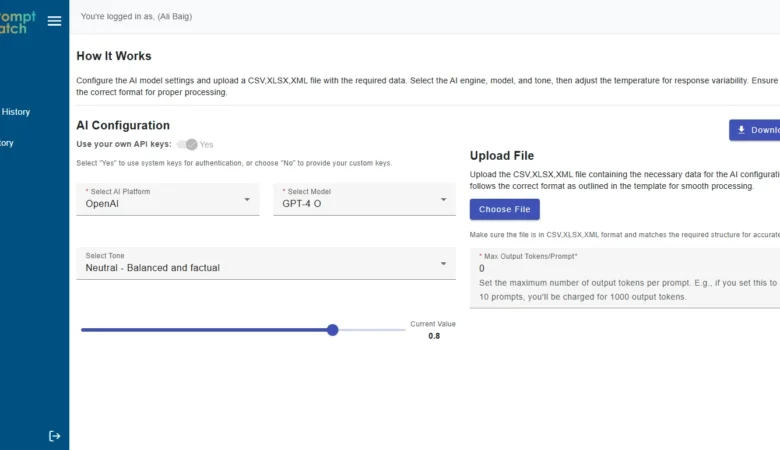
PromptBatch: Save 50% with AI
PromptBatch: The Best AI Batch Prompt Processing Web App | Orbilon Tech Project Overview PromptBatch Portal is a powerful AI
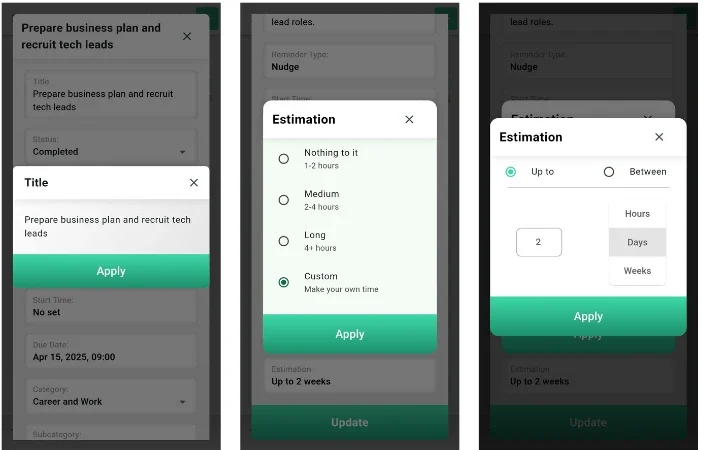
Spheres – The Revolutionary AI
Spheres – The Best AI Life Manager Mobile App That Actually Knows You Project Overview Spheres – Life Simplified is
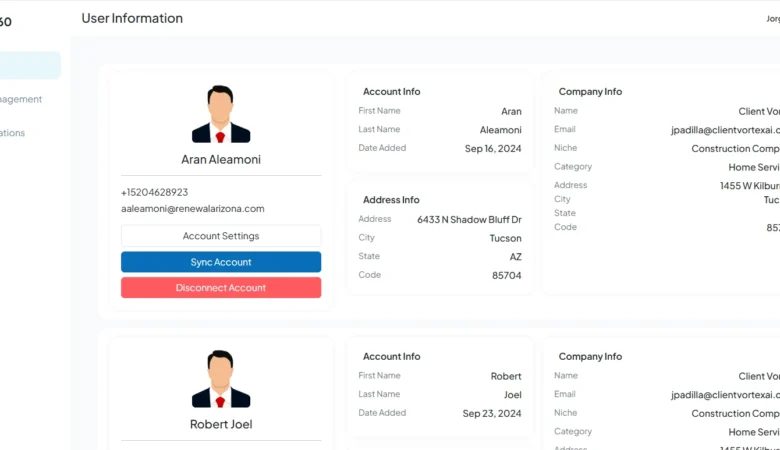
Rep360 AI – AI Bot
Rep360 AI – AI Bot Integration for GHL Workflows That Automates Sales Conversations Project Overview Rep360 AI is a fully
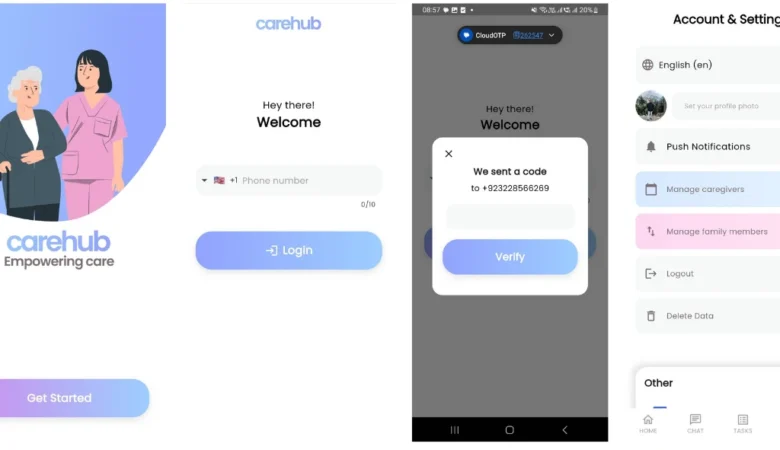
CareHub – Powerful Caregiver Communication
CareHub – Caregiver Communication App With Auto Translation CareHub App – Empowering Care CareHub is a powerful caregiver communication app
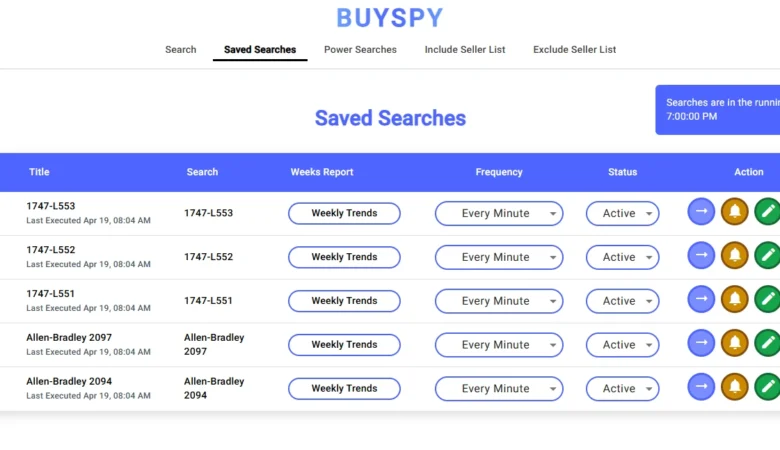
BuySpy – Ultimate Real-Time eBay
BuySpy — A Powerful Real-Time eBay Search Alerts App for Web & Mobile BuySpy is a real-time eBay search alerts
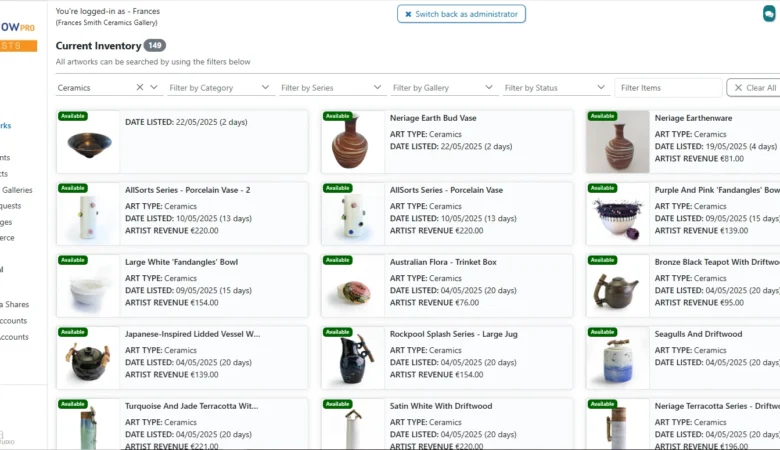
ArtFlow Pro — The Art
ArtFlow Pro — Full-Stack Art Gallery SaaS Platform for Artists & Galleries ArtFlow Pro – Streamline the Artwork Sales ArtFlow
Client Reviews You Can Verify on Clutch
Here’s what some of our clients have to say:
Want to Hire Us?
Are you ready to turn your ideas into a reality? Hire Orbilon Technologies today and start working right away with qualified resources. We will take care of everything from design, development, security, quality assurance, and deployment. We are just a click away.