Web Development in Raleigh - North Carolina | Orbilon Tech
Raleigh Quietly Anchors the Open-Source Software World. Here's Why That Reshapes Every Web Project Shipping Into This Capital.
Web development in Raleigh sits in a position no other U.S. capital can claim. The city is the seat of North Carolina state government, the headquarters of Red Hat — the open-source software company IBM acquired for $34 billion in one of the largest enterprise software deals in history — and the home of NC State University’s Centennial Campus, an innovation district that has launched more than 200 startups attracting over $1.7 billion in venture capital.
That combination changes what a website here is expected to be.
The numbers carry the story. The Raleigh metro added more than 11,400 net new tech jobs in five years, an 18% expansion that outpaces nearly every comparable East Coast metro. The average Raleigh tech salary now sits around $106,900. NC State, Duke, and UNC Chapel Hill collectively graduate thousands of computer science, statistics, and engineering students every year, feeding a talent pool that companies like Apple — building its planned $1 billion+ Research Triangle Park campus a short drive from downtown — IBM, Cisco, Lenovo, SAS (the world’s largest privately-held software company, with roots tracing directly back to NC State), and Pendo (a Raleigh-born SaaS unicorn valued at approximately $2.6 billion, headquartered downtown) all draw from.
Add to this the unique procurement gravity of state government. The North Carolina Department of Information Technology (NCDIT) — headquartered in Raleigh — manages statewide IT contracts that flow to every state agency, public university, and local government across NC. The Statewide IT Procurement Office reviews hundreds of solicitations each cycle and authorizes IT goods and services for the entire state apparatus. Vendors selling into Raleigh are evaluated against the same procurement standards used by NCDIT, NCDPI, and the dozens of state agencies operating from the capital.
For businesses looking for the best web development company in Raleigh — one that ships sites cleared for SaaS-grade engineering review, government-aware procurement standards, and the open-source-first technical preferences this city was built on — Orbilon Technologies delivers custom website development in Raleigh from architecture through deployment. Built with modern stacks like Next.js, React, Node.js, Python, .NET, and Laravel, paired with workflow automations and third-party integrations that connect your site to the platforms already running your business — marketing sites, e-commerce builds, SaaS web applications, headless CMS migrations, and compliance-aware redesigns.
Why Raleigh's Web Buyer Standards Are Tighter Than They Look?
Most national Web development in Raleigh vendor pitches treat Raleigh as a friendly mid-tier market. That assumption breaks the moment a Red Hat alumnus, an NC State engineering PhD, or an NCDIT procurement officer opens your portfolio. Raleigh’s buyer base has been shaped by four decades of public-private innovation, and the bar moves up — not down — when the price point is lower than San Francisco.
Here is what that means in practice for any serious web project shipping into the city.
- Open-source fluency is assumed, not optional. Red Hat’s longstanding Raleigh legacy has shaped a local engineering culture where Linux, Kubernetes, Ansible, and PostgreSQL are not “advanced choices” — they are baseline expectations. Web vendors who lean on closed proprietary stacks without offering credible open-source alternatives lose engineering reviews to vendors who ship JAMstack, Next.js, and Postgres-first architectures by default.
- Government-aware procurement runs through every state-touching project. The Statewide IT Procurement Office authorizes vendors against published specifications for accessibility, security, and lifecycle support. Sites that touch any state agency, public university, or NC government workflow get reviewed against NCDIT’s accessibility standards — currently aligned with WCAG 2.1 Level AA — and the security expectations published in statewide IT term contracts. Hire web developers in Raleigh who don’t track these standards, and your build is dead at the first state-tied procurement review.
- SaaS engineering scrutiny is a separate review pass. With Pendo, Bandwidth (the publicly traded voice and messaging platform that supplies Google, Skype, and Athena), Pryon, and the Centennial Campus startup ecosystem driving real engineering recruitment, Raleigh has a well-developed SaaS technical culture. Marketing sites for these companies are reviewed by the same engineers who ship their products. Performance budgets, accessibility audits, and analytics implementation get evaluated with developer-grade rigor.
- ADA Title II is reshaping public-sector web spend across NC. The U.S. Department of Justice has set the digital accessibility compliance date for public entities serving 50,000 or more individuals on April 26, 2027, with WCAG 2.1 Level AA as the technical standard. Smaller entities follow the same standard one year later. The state’s own Digital Accessibility program actively monitors compliance through NCDIT’s DubBot-powered Website Quality & Accessibility tool. Every web vendor shipping into a Raleigh-government-adjacent project is expected to bake accessibility into the design system from sprint one — not as a remediation afterthought.
The vendors that succeed here understand that Raleigh’s price-quality ratio is a feature, not a discount. Buyers expect more for what they spend, not less.
The Sectors Driving Raleigh's Web Project Pipeline
Regular web design often doesn’t cut it here because different groups need very different things online. Think about state government, SaaS product companies, NC State spin-offs, and other businesses around Centennial Campus – their online needs are all over the place. The best web developers in Raleigh know exactly who they’re building for from the start.
- First, there’s the state government and public sector. Since Raleigh is North Carolina’s capital, you’ll find NCDIT and lots of state agencies here. They manage online spots for citizens, like places to get licenses, systems for buying things, and ways to apply for benefits. Websites for these groups really need to be accessible (think WCAG 2.1 AA and Section 508), have secure ways for people to log in once, and come with solid paperwork about how they’re built, strong enough to pass state checks. Companies wanting these big state IT jobs have to build exactly to technical rules, not just vague marketing ideas.
- Then we have SaaS product companies and those working with Centennial Campus. With companies like Pendo, Bandwidth, and Pryon, plus over 75 other organizations—from businesses to government and non-profits—all on NC State’s Centennial Campus (even the IBM Quantum Computing Hub), it’s clear Raleigh’s software-as-a-service scene is well-developed and has high standards. For these kinds of places, web projects often involve making portals for developers to find info, marketing sites that help products grow on their own, linking up analytics inside apps, and setting up ways to track user actions precisely so they tie right into product data.
- Next are NC State research spinouts and biomanufacturing companies. Centennial Campus isn’t just for tech; it’s also where you’ll find places like the Golden LEAF Biomanufacturing Training and Education Center (BTEC), the FREEDM Systems Center, which researches renewable power grids, and ChromaGenix’s biomanufacturing facility. NC State has an office that helps protect and push out new university inventions, and the companies that come from this often need working websites, secure data rooms for investors, and special portals for clinical trials or manufacturing that meet strict scientific review standards.
- Higher education and EdTech platforms are another big area. With NC State, Wake Technical Community College (North Carolina’s biggest community college), Meredith, Shaw, and Saint Augustine’s University all in the area, education tech and university websites often handle huge numbers of users at once. On top of that, accessibility rules like Section 504 and IDEA mean these sites need to follow specific guidelines, which many general web companies don’t realize until someone complains.
- Let’s also talk about defense and dual-use technology websites. The NSA has offices on Centennial Campus, and NC State’s Defense and Security Institute leads the state in defense research, manufacturing, and bringing together dual-use tech. Web companies working in this sector have to handle Section 508 accessibility, hosting that understands FedRAMP rules, careful documentation about supply chain security, and development processes that fit CMMC guidelines right from the start.
- Then there’s healthcare and clinical web platforms. With big names like UNC Health, Duke Health, and WakeMed, plus all the clinical trials happening in NC, there’s a steady need for websites that follow HIPAA rules. This means things like patient scheduling tools, sites to find people for studies, and telehealth setups that can pass both legal and technical checks.
- Finally, we have open-source and developer-focused web projects. Red Hat’s main office in downtown Raleigh has helped create a whole generation of engineers who grew up with open-source, spread out across the city. When it comes to projects like marketing to developers, creating documentation portals, making it easy for new people to join open-source projects, or building community sites, it’s best to work with a company that already understands the JAMstack and the Markdown-based publishing world these users are used to.
The Architecture We Bring to Every Raleigh Web Build
We do not make a list of every framework there. We make a list of the layers that always determine whether a site can pass a review in Raleigh. We think about the source first, we know about the NC state government, and we test with SaaS engineering. We care about accessibility from the very start.
The right choices for building a website are what make professional custom website development in Raleigh different from the others.
- Frontend frameworks. We use Next.js 15 with the App Router and React 19 for some sites. We use Astro for sites that’re all about marketing content. We use Remix when the team likes it. We use Vue 3 with Nuxt as another good option. We choose these because they help us meet the targets for Core Web Vitals that work well on the devices that people in Raleigh use, not in tests.
- Backend platforms. We use Node.js with Express, Fastify, or NestJS. We use Python with Django or FastAPI. We use Go for services that need to be fast. We use .NET 9 when the buyer already uses it. For projects that will be used as SaaS, we often start with TypeScript services that check input carefully and test contracts.
- Headless. Content layer. We use Sanity, Strapi, Contentful, Ghost, and WordPress. Either traditional. Depending on how complex the editorial workflow is, whether we need to support multiple locales, and how much structured content the marketing team plans to make. We have had to move sites from old WordPress 5.x to modern headless stacks in Raleigh.
- E-commerce engines. We use Shopify. Both Plus and standard. WooCommerce, Magento, and BigCommerce. Depending on the products we need to sell, whether it is B2B or DTC, whether we need to integrate with an ERP, and how much custom checkout logic we need.
- We always design with accessibility in mind. Every part of the site must meet the WCAG 2.1 Level AA standards. This means we use semantic HTML, interactions that work with keyboards, patterns that work with screen readers, color contrast that is easy to read, visible focus indicators, and skip-to-content patterns. We publish accessibility statements on the site, run Axe-Core scans, and test manually with NVDA and VoiceOver every time we release something new.
- We also care about performance and hosting. We use Vercel, Cloudflare, AWS, and Azure App Service. Depending on how we need the site to be, if we need to use edge computing, and where the buyer’s data needs to be. We make sure the site is instrumented with Real User Monitoring, LCP/INP/CLS dashboards, and page-weight budgets that we enforce.
- Security and compliance are important to us. We use TLS 1.3 strict Content-Security-Policy, Subresource Integrity, OWASP Top 10 hardening, and SSO integrations like Okta, Auth0, and Azure AD. For projects that touch the state or are SaaS-bound, we make sure to have audit-grade logging and data classification documentation.
- We also think about SEO and analytics infrastructure. We build SEO into the site, use GA4, Plausible, or Matomo for analytics, and do server-side tagging when privacy laws require it. We track conversions in a way that makes sense for the buyer’s CRM.
You can see what we do on our Clutch profile. We have a verified 4.96 rating from client interviews. This shows what our architecture can do in production work.
Our Full Service Stack for Raleigh Companies
- We do Web Development, which means we make custom websites. These websites follow the rules for accessibility, which are called WCAG 2.1 AA. We also make sure the websites load fast and work well, which is called Core Web Vitals optimization. We can use types of systems to manage the website, like headless or traditional CMS architecture. We make websites for marketing, content, and conversion-led sites.
- We also do E-commerce Development, where we build stores using Shopify, WooCommerce, and Magento. These stores have checkouts so people can safely pay for things. We also help prevent fraud and connect the stores to systems, like ERP. We make special catalogs for businesses.
- For Mobile App Development, we make apps for iPhone and Android. Also, use something called Flutter. These apps work with the websites we build, so everything looks the same. We want to make it easy for people to use our apps and websites.
- We work with Artificial Intelligence too, which we call AI Development & Integration. We use something called LLM-powered search to help people find things on our websites. We also make the content personal. It is just for each person. We make chatbots that can talk to people and help them.
- We make Custom CRM Development, which is like a special system for managing customers. This system connects to the website. Helps salespeople know who to talk to and when. It also helps them know who is a lead and who is not.
- We also make something called Agentive AI Apps. These are, like robots, that can do tasks for us, like scheduling appointments or looking at documents. They work inside our web platform. We can always check on them to make sure they are doing things right.
- For UI/UX Design, we make sure the websites and apps look good and are easy to use. We test them to make sure they work well. People can use them.
- We do SaaS Product Development, which means we make web platforms that people can subscribe to. These platforms have security and can be used by many people at the same time.
- Finally, we do Cloud Infrastructure / DevOps, which means we help people set up their websites and apps on the internet. We use something called AWS and Azure to do this. We make sure everything is safe and secure. We follow rules like HIPAA and SOC 2 to keep everything private.
Production Builds That Speak to Raleigh Buyers
We won’t just throw a bunch of logos here. Two actual projects show what we can do much better than a long list of company names.
- Rep360 AI — AI Bot Integration Inside a Real Sales Workflow Platform: This is a web-based AI tool that works right within GoHighLevel workflows. It handles sales conversations from start to finish – that means qualifying leads, setting up appointments, passing things over to a person when needed, and putting clean information back into the CRM. We built it to be dependable and easy to keep an eye on, which is exactly what real sales teams need from their AI systems. What it shows for Raleigh: This project demonstrates our ability to build software as a service at the high standard that companies like Pendo, Bandwidth, and the startups at Centennial Campus expect from a web development partner. We ensure our webhooks are reliable, manage retries carefully, handle queues well, keep audit trails, and make sure AI integrations don’t crash when more people start using them. It’s the kind of solid technical foundation that gets a thumbs-up from the tech review boards in the Triangle area.
- CareHub — A Caregiver Communication Platform With Auto-Translation Built In: This communication platform was made for caregivers who look after clients speaking different languages. It includes automatic translation, clear notes for handoffs, and a user interface simple enough for busy caregivers. We designed it so people wouldn’t have to spend time learning a complex tool. What it shows for Raleigh: This project highlights our skill in creating web solutions for healthcare settings. We pay close attention to architecture that considers HIPAA rules, make sure it’s easy for everyone to use, and keep the user experience straightforward – the kind of careful design that clinical and biotech buyers in the Triangle area really value. It features live messaging, content in multiple languages, and the kind of managed workflows that regulated industries expect.
Work Highlights
Some of our best works from many
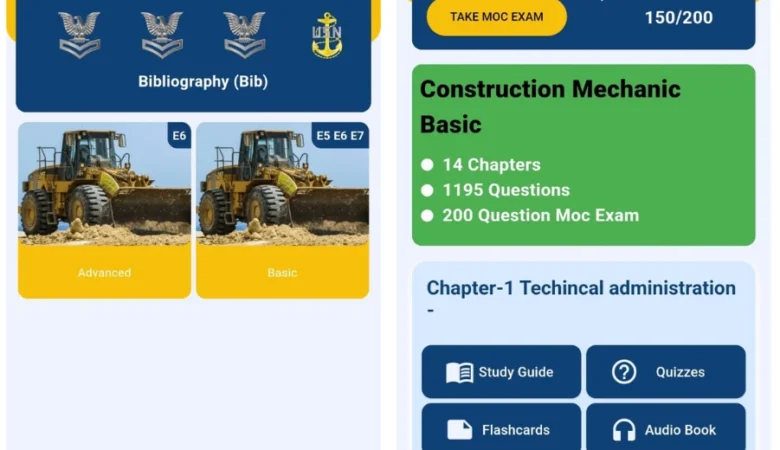
SeaBee – The Best Navy
SeaBee – The Best Navy Exam Study App Built for US Navy Seals Project Overview
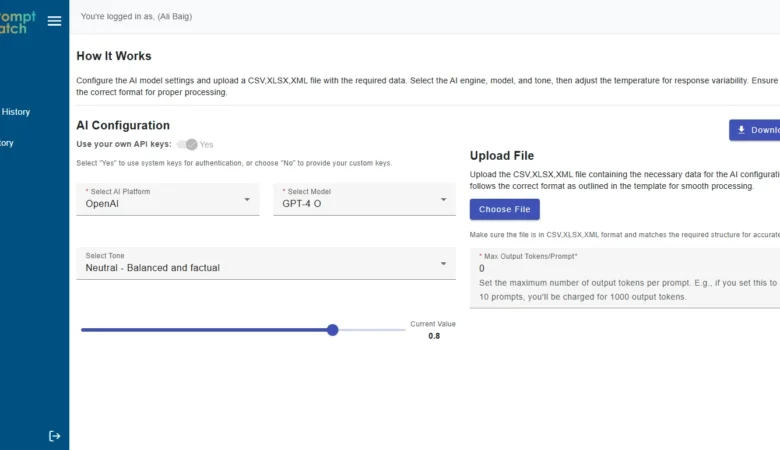
PromptBatch: Save 50% with AI
PromptBatch: The Best AI Batch Prompt Processing Web App | Orbilon Tech Project Overview PromptBatch
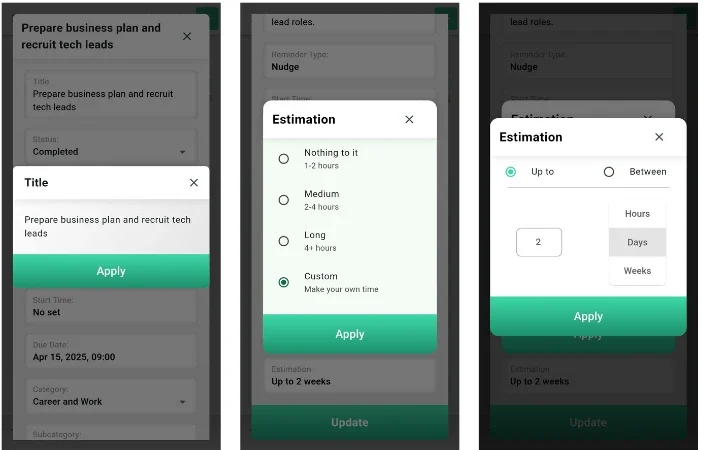
Spheres – The Revolutionary AI
Spheres – The Best AI Life Manager Mobile App That Actually Knows You Project Overview
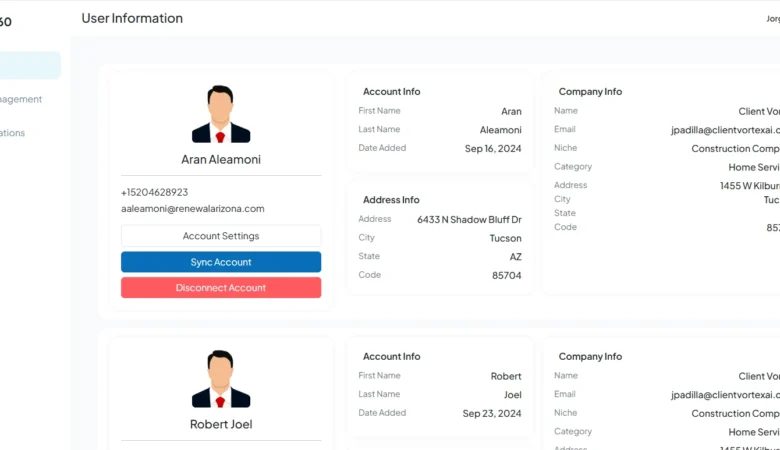
Rep360 AI – AI Bot
Rep360 AI – AI Bot Integration for GHL Workflows That Automates Sales Conversations Project Overview
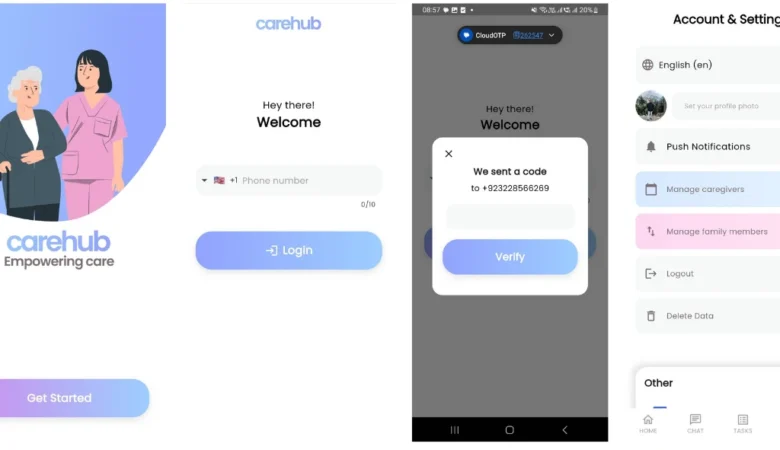
CareHub – Powerful Caregiver Communication
CareHub – Caregiver Communication App With Auto Translation CareHub App – Empowering Care CareHub is
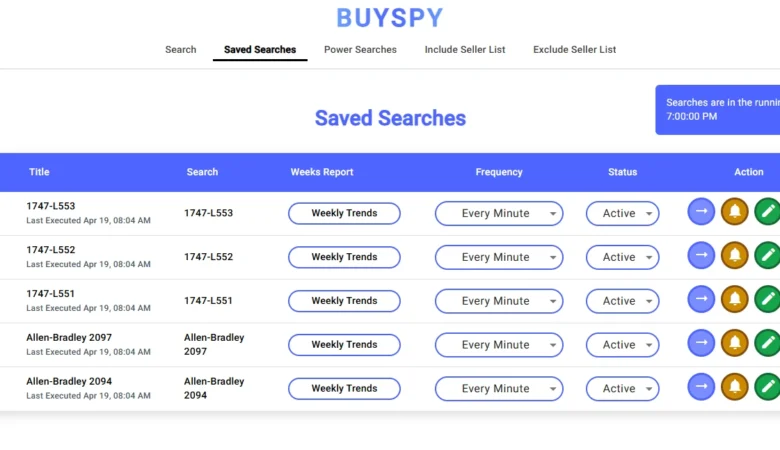
BuySpy – Ultimate Real-Time eBay
BuySpy — A Powerful Real-Time eBay Search Alerts App for Web & Mobile BuySpy is
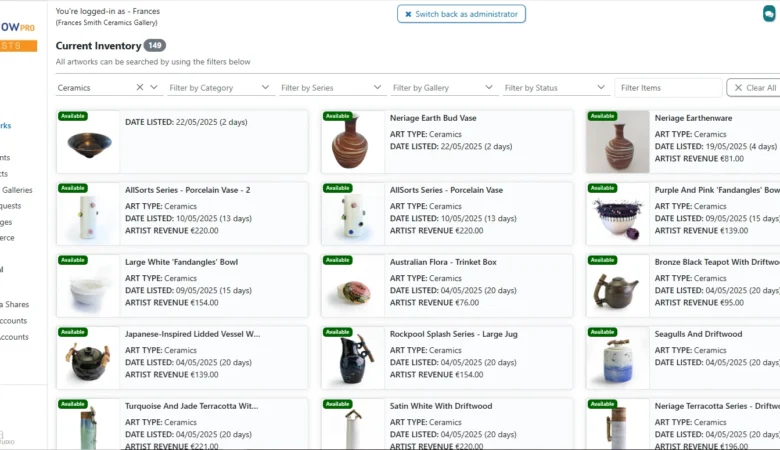
ArtFlow Pro — The Art
ArtFlow Pro — Full-Stack Art Gallery SaaS Platform for Artists & Galleries ArtFlow Pro –
Independently Verified on Clutch
Here’s what some of our clients have to say:
Want to Hire Us?
Are you ready to turn your ideas into a reality? Hire Orbilon Technologies today and start working right away with qualified resources. We will take care of everything from design, development, security, quality assurance, and deployment. We are just a click away.