
App Development in Denver - Colorado | Orbilon Tech
The State Put Its Digital ID in a Mobile App. That Says Almost Everything About Denver's Mobile Market.
App development in Denver happens in a state confident enough to put its official digital identity into a mobile app. The myColorado app, built in partnership with a Denver-based development team, gives Colorado residents an official digital ID, digital driver license, vehicle registration access, and a state-government digital wallet on iOS and Android. When a state chooses mobile as the canonical surface for citizen identity, every other mobile project in the region inherits a higher set of expectations. The buyers reviewing your app in Denver have already seen what civic-grade mobile looks like, and they grade vendors accordingly.
That standard sits inside a tech economy with unusually diverse mobile demand. Denver anchors one of the most varied mobile markets in the United States. Colorado’s aerospace industry, the second-largest in the country with over $38 billion in federal aerospace contracts, hosts Lockheed Martin, Boeing, Northrop Grumman, and a rising layer of space-tech companies, including Ursa Major and True Anomaly.
The state’s cannabis-tech ecosystem, led by Denver-headquartered Flowhub (seed-to-sale dispensary software) and Where’s Weed, has built a national category from inside the city limits. Mobile-adjacent hardware giant OtterBox, headquartered in Fort Collins just north of Denver, has spent decades building the device-protection industry around iPhones and Android phones. Add OneSpace, Identity Digital, the dense aerospace startup pipeline, and the cannabis-software cluster, and the Denver app market splits into industries that almost no other US metro can claim simultaneously.
For organizations seeking the best app development company in Denver, one capable of shipping mobile products that pass App Store and Google Play review, satisfy aerospace-grade engineering scrutiny, meet cannabis-industry compliance complexity, and earn the trust of an outdoor-recreation user base that uses apps in real-world conditions, Orbilon Technologies delivers custom mobile app development in Denver across the full lifecycle. Native iOS in Swift and SwiftUI, native Android in Kotlin and Jetpack Compose, cross-platform delivery in Flutter and React Native, and the backend, security, and launch infrastructure production apps need to operate reliably for years.
Why a Mile-High Market Built on Three Different Industries Forces Mobile Teams to Specialize?
The defining, kind of weirdly consistent thing about the Denver app market is just how diverse the industries are. A vendor who shows up here could be dealing with an aerospace engineering team in the morning, then a cannabis dispensary operations director later on, then an outdoor brand product manager, all in the same week, each one asking for totally different technical, compliance, and user-experience expectations. So yeah, generic templates… they don’t really make it past the first conversation, or at least not with everyone.
These are the real-world forces that end up deciding whether your mobile work actually earns local trust.
- For aerospace-adjacent mobile work, you need defense-grade thinking, not “standard enterprise.” With Lockheed Martin, Boeing, Northrop Grumman, and that growing space-startup layer operating across the Denver metro, mobile delivery here has to account for Section 508 accessibility, FedRAMP-aware backend hosting, supply chain security documentation, and audit trails the defense side expects, almost like it’s not optional. In practice, aerospace mobile app development in Denver is its own technical specialization, and “marketing label” is not the vibe.
- The cannabis industry mobile has its own kind of regulatory maze that’s unusually stacked. In Colorado, the Marijuana Enforcement Division regulates dispensary operations using detailed tracking and reporting requirements, including integration with Metrc, the state’s seed-to-sale tracking system. Mobile apps here—whether they’re built for dispensaries, consumer ordering, or day-to-day operations—have to manage age verification, location restrictions that change by jurisdiction, payment processing complications tied to banking limitations, and the App Store/Play Store policy nuances that cannabis-adjacent products always run into. So, cannabis app development in Denver is less like “an app category” and more like a regulatory specialization.
- Outdoor recreation apps also get tested by real conditions, not studio lighting. If you’re running fitness, navigation, or recreation features, a Denver user is statistically likely to try it on a trail at altitude, with spotty connectivity, and through cold or hot weather on a battery that they want to last all day. Offline-first behavior, energy efficiency, GPS accuracy, and graceful degradation when networks drop are not just nice extras; they’re what decides if the app earns staying power with an outdoor-active audience.
- Healthcare and clinical mobile runs on HIPAA expectations, period. Denver’s healthcare ecosystem—UCHealth, Denver Health, National Jewish Health, and that wider Colorado clinical research economy—holds patient-facing apps to the same HIPAA standards you’d expect nationally, including biometric authentication, encrypted local storage, and audit-logging requirements. If you hire app developers in Denver who treat HIPAA like a “launch-week checklist item,” your app can fail the first procurement security review.
- Civic and government-adjacent mobile comes with a higher accessibility bar than most teams anticipate. The myColorado app set a baseline for what citizen-facing mobile should look like and how it should feel across the state. Apps tied to government workflow, public benefits, or civic services tend to face WCAG 2.1 Level AA accessibility expectations, Section 508 considerations, and the inclusive design habits the state’s digital services program has basically embedded.
- And then you’ve got startup mobile around RiNo and downtown, which is competing nonstop against well-funded national alternatives. Denver’s startup density, especially through River North Arts District, creates constant demand for consumer mobile products that still have to win app store discovery—meaning App Store search results—against companies that have 10x the marketing budget. Whether the app lands its audience often comes down to polished onboarding, App Store conversion strategy, push notification timing, and rating sequence management, not just “building the feature.”
Where Mobile Demand Concentrates Across the Mile-High City Right Now?
Denver mobile demand sort of splits into recognizable buyer circles, like aerospace and defense, cannabis tech, outdoor recreation and wellness, healthcare and clinical, civic and government-adjacent, plus consumer and DTC brands. The Denver, CO mobile app developer teams usually start any engagement by figuring out what kind of buyer group they actually serve, before they touch anything else.
- Aerospace and space-technology mobile. You’ve got Lockheed Martin’s Colorado operations, Boeing’s local footprint, Northrop Grumman, and then that newer space-startup layer (Ursa Major, True Anomaly, and the more general OEDIT-supported aerospace pipeline) pushing mobile work for engineering workflows, mission operations dashboards, field-service apps, supply chain tools, and those secure mobile interfaces defense and aerospace contractors need. Compliance here leans way more toward government IT than typical consumer mobile, so the security posture is part of the foundation, not an afterthought.
- Cannabis-technology mobile. Flowhub’s seed-to-sale platform, Where’s Weed’s consumer marketplace, and the broader Denver cannabis-tech cluster keep the mobile requests coming. Typical use cases run from dispensary point-of-sale companion apps, inventory and compliance tools, consumer ordering and delivery apps, age-verified engagement, and the Metrc-integrated tracking interfaces Colorado regulators want. Getting around App Store and Play Store policy stuff is basically table stakes in this slice; everybody expects it.
- Outdoor recreation and adventure mobile. Colorado’s outdoors industry, with Denver’s REI presence, the easy reach to high-end outdoor destinations, and Fort Collins-based OtterBox’s mobile-device protection history, all support apps for hiking, climbing, skiing, mountain biking, navigation, weather, and adventure tourism. Reliability in real-world conditions matters, plus GPS precision, offline maps, and battery efficiency; none of that can be “kind of fine,” or you lose trust fast.
- Healthcare and clinical mobile. UCHealth, Denver Health, National Jewish Health (known nationally for respiratory medicine), Children’s Hospital Colorado, and the wider regional healthcare network drive demand for patient-facing apps, clinical workflow tools, telehealth platforms, and the HIPAA-aware mobile architecture that more serious healthcare buyers require. If it doesn’t feel clinically dependable, they won’t move forward.
- Civic, government, and public-benefit mobile. The myColorado app collection set a kind of regional example for citizen-facing mobile work. Nearby demand shows up in government service apps, public-benefit platforms, transportation and transit apps (Denver RTD), and those accessibility-first, inclusive design state digital programs increasingly expect, even when the UI gets complicated.
- Consumer, DTC, and startup mobile. Denver’s startup energy, especially around RiNo and downtown, feeds a constant pipeline of consumer products: fitness, wellness, food and beverage, lifestyle, and direct-to-consumer brands. These apps end up battling in App Store search results against well-funded national options, and it’s usually the launch craft and product polish that decides who wins, not just the idea.
- Energy, utilities, and clean-tech mobile. Colorado’s clean-energy economy, Xcel Energy’s regional footprint, and the growing solar and renewables space support mobile demand for field-service apps, customer-facing energy management tools, and the operational mobile interfaces that utilities and energy companies rely on. Here, it’s often about workflow speed, uptime, and integration more than flashy features.
The Mobile Engineering Approach We Bring to Denver Builds
The architectural choices made in the first sprints kinda decide whether a Denver app even makes it through its first compliance review, its first bigger platform update, and then its first real production stress test… like the whole thing. We build on stacks that are already proven against the standards aerospace contractors, cannabis-tech operators, healthcare buyers, and consumer-grade product teams in Denver actually sit with and evaluate, not just “trust” on paper.
- Native iOS engineering. SwiftUI for new builds, UIKit interop when established codebases need it, Swift concurrency with async and await for smoother asynchronous flows, SwiftData or Core Data for local persistence, and platform-correct work that follows Apple Human Interface Guidelines—Dynamic Type, Dark Mode, haptics, and accessibility patterns. iOS app development in Denver at the level this market expects honors Apple’s platform conventions instead of treating them as optional accessories.
- Native Android engineering. Jetpack Compose with Material 3 for new builds, Kotlin Coroutines and Flow for asynchronous work, Room with encryption for local persistence, Edge-to-Edge layouts that manage modern display cutouts, predictive back gestures, and TalkBack accessibility checks on each release. Android app development in Denver, built on Compose rather than legacy view-based UI, also reflects how the platform itself has already shifted over time.
- Cross-platform delivery. Flutter (Dart) for design-led products needing visual parity across iOS and Android. Flutter developers in Denver, Colorado, teams should expect apps that compete with native quality, and Spheres, our consumer AI life-planning product, is living in both stores, built in Flutter. React Native app development Denver via modern architecture for teams whose web and mobile codebases share TypeScript and where business-logic reuse drives the “platform call” in the room.
- Mobile backends and infrastructure. Node.js (Fastify, NestJS), Python (FastAPI, Django), Go for performance-critical services, and .NET, where the buyer’s existing stack already runs. Serverless deployment via AWS Lambda, Azure Functions, and Cloudflare Workers when workload shape makes sense. Firebase (Authentication, Firestore, Cloud Functions, FCM) plus AWS Amplify when delivery speed beats backend ownership. PostgreSQL with row-level security for multi-tenant data isolation, Redis for caching and sessions.
- Offline-first and connectivity-resilient architecture. This matters a lot for outdoor recreation apps used at altitude with stop-and-go service, field-service apps in remote pockets, aerospace mobile interfaces in restricted environments, and basically any product where a dropped network cannot mean lost data. Conflict-free replicated data types (CRDTs), local-first databases, sync queues with idempotent retries, and graceful degradation when the network disappears.
- Authentication and security. OAuth 2.0 with PKCE for backend integrations, OpenID Connect, Sign in with Apple, Google Sign-In, Face ID, Touch ID, and Android Biometric Prompt for biometric unlock. Cannabis-industry apps include age verification flows that satisfy state regulators, aerospace-adjacent apps add device fingerprinting and step-up authentication, healthcare apps include HIPAA-aware encryption and audit logging, and clinical procurement teams actually verify.
- Performance, battery, and outdoor-condition engineering. Energy-efficient background processing, intelligent location services that balance accuracy with battery drain, memory profiling against the mid-range devices outdoor users usually carry, and the cold-weather, high-altitude, gloved-finger usability thinking that separates a Denver outdoor app from a generic fitness tracker.
- Analytics, experimentation, and crash monitoring. Firebase Analytics, Mixpanel, Amplitude, Revenue Cat for subscription apps, Sentry and Crashlytics for crash and ANR observability, plus feature-flag platforms (LaunchDarkly, ConfigCat) for progressive rollouts that defend quality during release.
- App Store and Play Store operations. App Store Connect and Google Play Console management, TestFlight and internal-track sequencing, App Privacy declarations, Privacy Manifest authoring, target SDK compliance, IDFA and ATT handling, and launch sequencing that helps protect ratings during the spicy early days right after release.
Our Clutch profile shows what this approach produces in active production work, backed by a verified rating from real client interviews.
Mobile Service Lines Mapped to Denver's Buyer Mix
In Denver, people who want to buy things on their devices can be grouped into categories. We look at what each group wants and deliver what they need. We use a careful approach for all of them, but each group has different priorities and needs to follow different rules.
For teams that work with Aerospace, Defense, and Government-Adjacent projects:
- We do Mobile App Development. This includes making apps for iOS in Swift and SwiftUI apps for Android in Kotlin and Compose, and cross-platform apps in Flutter and React Native. We make sure these apps are secure and have the logging and certificates which is what aerospace and defense buyers expect.
- We also work on Cloud Infrastructure and DevOps. This means we make backends on AWS, Azure, and Google Cloud. We use Fastlane and Bitrise for CI/CD and Terraform for infrastructure-as-code. We make sure the hosting and documentation meet the requirements for defense and aerospace contractors.
- Additionally, we do AI Development and Integration. This includes using machine learning on devices with Core ML and TensorFlow Lite. We use computer vision for engineering and operations. We make AI features that work inside restricted environments without needing external API calls.
For Cannabis-Tech, Healthcare, and Regulated Mobile industries:
- We do Custom CRM Development. This means we make CRM platforms with apps for sales reps, tools for dispensaries, customer engagement workflows, and audit trails that meet compliance requirements in Colorado’s regulated industries.
- We also make Agentive AI Apps. These are AI agents inside mobile apps that help with scheduling, document review, claims routing, and approval workflows. We make sure these apps have oversight and audit logging that meet the requirements for regulated environments.
- Furthermore, we do SaaS Product Development. This includes making tenant SaaS platforms with mobile companion apps, managing subscriptions with RevenueCat, and having role-based access control. We make sure the architecture meets the needs of SaaS startups, dispensary platforms, and healthcare software teams.
For Outdoor Recreation, Consumer Brands, and DTC companies:
- We do E-commerce Development. This means we make mobile-first commerce apps with Apple Pay, Google Pay, fraud prevention, and payment flows that work well on each platform. This is what Denver consumer brands and outdoor retailers need to convert sales.
- We also do Web Development. This includes making companion web platforms, marketing sites, and admin dashboards that work well with the apps we build. We use a design system across all surfaces.
- Additionally, we do UI/UX Design. This means we make the first design systems that follow Apple Human Interface Guidelines and Material 3. We test the designs on devices to make sure they work well with VoiceOver, TalkBack, Dynamic Type, and outdoor conditions.
Apps Already Live and Earning Real Ratings
A portfolio padded with mockups kinda proves very little about whether an app can actually survive in production. Real apps that are already serving real people do make the point pretty directly.
- Spheres: An AI Life Manager holding its own on both app stores – A consumer mobile product, built on OpenAI, that takes natural language input and turns it into organized daily plans, ranked task lists, plus steady goal tracking. Built in Flutter and shipped through Apple App Store and Google Play, with verified user ratings and real retention from folks using it, every single day. Why it speaks to Denver: it’s the launch craft, the conversion work in App Store and Play Store, and the production reliability a consumer app needs, to compete against well-funded national alternatives. That’s the same kind of thing RiNo startup founders, Denver outdoor-brand product teams, and DTC operators around the metro are trying to use to get past the noise. Polished onboarding, smoother animation, real-time sync across devices, well-timed push notifications, and a rating strategy that moves satisfied users toward five-star reviews.
- BuySpy: Real-Time Alerts at consumer scale – A mobile and web platform running continuous searches against the eBay API, pushing out real-time alerts when matching items go live, and handling rate limits, queue management, and notification fan-out at real consumer scale. Why it speaks to Denver: this is production engineering against high-volume third-party APIs, and mobile push-notification reliability too. It lines up with the same technical shape as aerospace operational mobile teams, cannabis-tech compliance integration teams, and outdoor recreation apps, with “instant” alerting depending on. Webhook resilience, idempotent retries, smarter queue handling, and an interface that feels immediate even though the backend orchestration is, honestly, complicated.
Work Highlights
Some of our best works from many
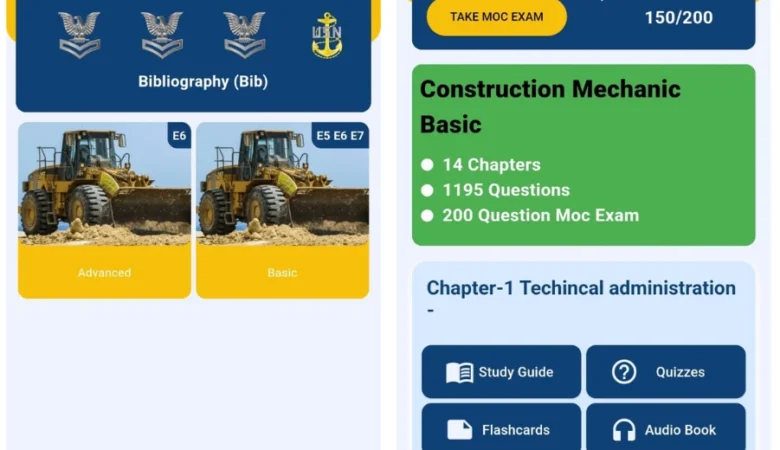
SeaBee – The Best Navy
SeaBee – The Best Navy Exam Study App Built for US Navy Seals Project Overview
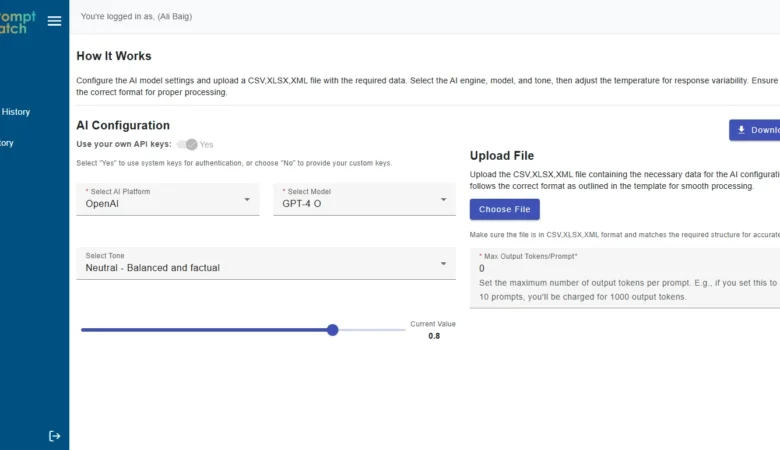
PromptBatch: Save 50% with AI
PromptBatch: The Best AI Batch Prompt Processing Web App | Orbilon Tech Project Overview PromptBatch
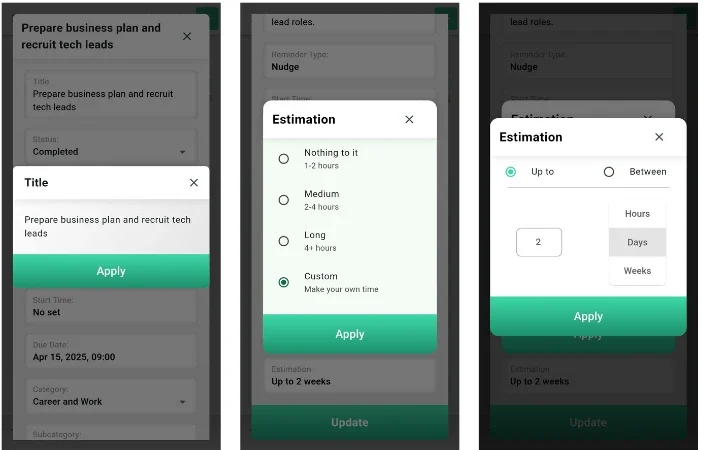
Spheres – The Revolutionary AI
Spheres – The Best AI Life Manager Mobile App That Actually Knows You Project Overview
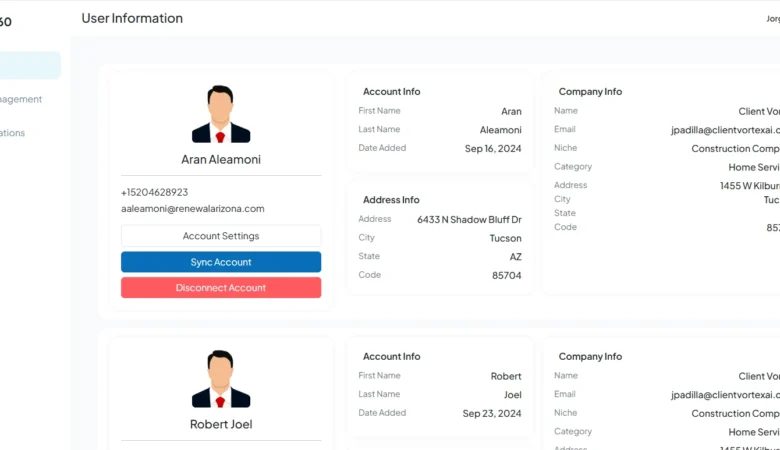
Rep360 AI – AI Bot
Rep360 AI – AI Bot Integration for GHL Workflows That Automates Sales Conversations Project Overview
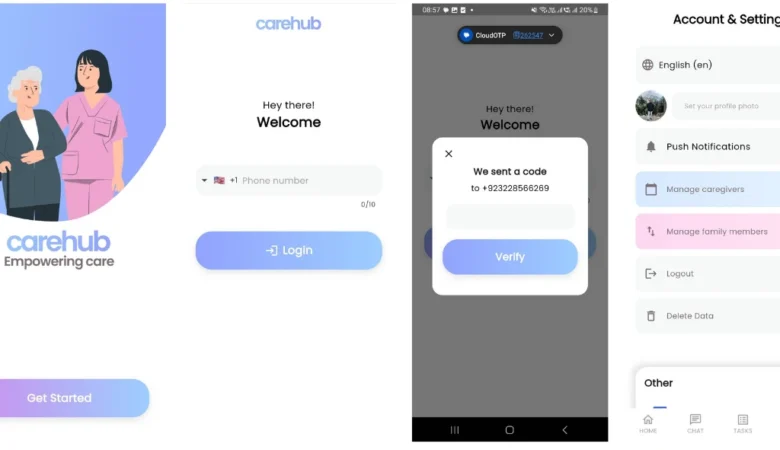
CareHub – Powerful Caregiver Communication
CareHub – Caregiver Communication App With Auto Translation CareHub App – Empowering Care CareHub is
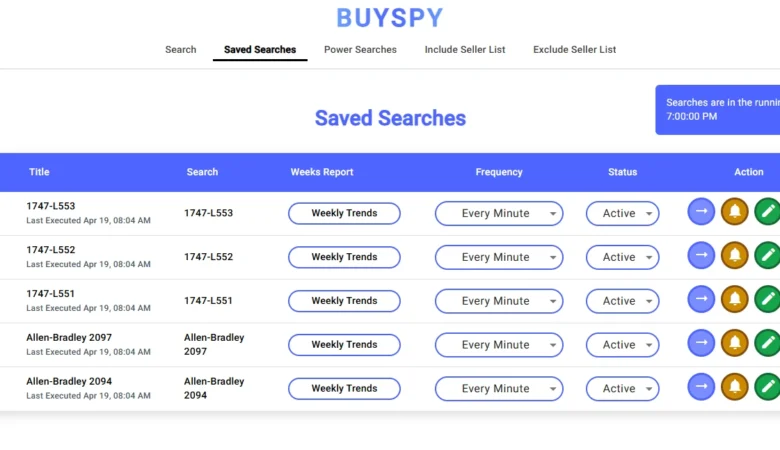
BuySpy – Ultimate Real-Time eBay
BuySpy — A Powerful Real-Time eBay Search Alerts App for Web & Mobile BuySpy is
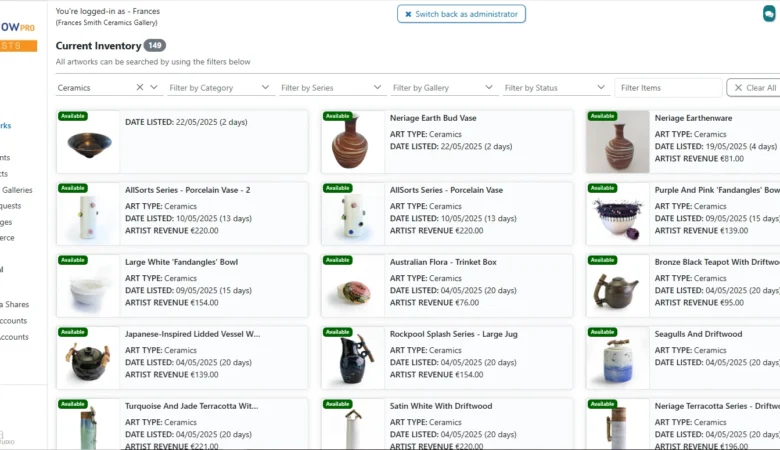
ArtFlow Pro — The Art
ArtFlow Pro — Full-Stack Art Gallery SaaS Platform for Artists & Galleries ArtFlow Pro –
Client Reviews, Independently Verified Through Clutch
Here’s what some of our clients have to say:
Want to Hire Us?
Are you ready to turn your ideas into a reality? Hire Orbilon Technologies today and start working right away with qualified resources. We will take care of everything from design, development, security, quality assurance, and deployment. We are just a click away.