App Development in Charlotte - North Carolina | Orbilon Tech
The Queen City's Phone Is the Real Storefront — and the Mobile Bar Has Never Been Higher
App development in Charlotte happens inside a market where the mobile experience is the product. Atrium Health, Charlotte’s largest employer, serving patients through MyAtriumHealth with virtual visits available around the clock, has trained the local population to expect hospital-grade mobile reliability from any app that touches healthcare. Novant Health, the metro’s fifth-largest employer, runs MyNovant Health on top of MyChart.
Bank of America’s mobile banking platform, used by tens of millions of customers, sets a benchmark for how a financial app should feel on a Queen City phone. Truist’s mobile platform, just upgraded with secure open banking flows through Mastercard’s open finance platform, has further raised expectations. A Charlotte user opening your app for the first time has already used apps engineered to those standards. They notice when yours falls short.
This is the operating reality behind every serious mobile project shipping into the metro. The Charlotte tech ecosystem now spans more than 71,000 high-tech workers, anchored by fintech leaders such as AvidXchange, DebtBook, LendingTree, Foro, and Spreedly, alongside the rapidly expanding mobile and engineering teams at Bank of America, Truist, Wells Fargo, Honeywell, Lowe’s, Coinbase, Credit Karma, and Sumitomo Mitsui Banking Corporation. The North Tryon Tech Hub and UNC Charlotte’s CO-LAB are feeding a constant pipeline of new mobile-fluent engineering talent into the market.
For businesses looking for the best app development company in Charlotte, one that ships mobile apps cleared for the App Store and Google Play review, fintech-grade security architecture, HIPAA-aware healthcare compliance, and the consumer polish Queen City users now demand, Orbilon Technologies delivers custom mobile app development in Charlotte end-to-end. Native iOS in Swift 6 and SwiftUI built against the iOS 26 SDK, native Android in Kotlin and Jetpack Compose targeting the latest API level, cross-platform builds in Flutter and React Native, and the backend, security, and launch infrastructure that real production apps need to survive their first 100,000 installs.
Why iOS 26, Swift 6, and the April 2026 SDK Mandate Just Reshaped Every Charlotte App Roadmap?
The single biggest event reshaping mobile development this year is one that many national vendors are still catching up to. Apple has announced that starting April 28, 2026, all new and updated apps submitted to App Store Connect must be built against the iOS 26 SDK.
iOS jumped from version 18 to version 26 in Apple’s new unified versioning. Swift 6 introduced strict, compile-time data-race safety. SwiftUI gained the new Liquid Glass UI material. Apple Intelligence APIs landed on-device. Live Activities, Dynamic Island, and Interactive Widgets are now baseline user expectations rather than novelty features.
For any team shipping a serious mobile product into Charlotte, this is the new operating environment.
- Swift 6 strict concurrency changes how iOS apps are written. Compile-time data-race safety, structured concurrency that handles cancellation and propagation cleanly, and the kind of safety guarantees that eliminate entire categories of crashes that used to make it into production. Top mobile app developers in Charlotte, NC, teams expect to have already migrated their codebases and shipped against Swift 6’s new model, and our work reflects that.
- iOS 26 SDK is the new minimum for serious roadmaps. With iOS 26 sitting on over 75% of active iPhones inside its first 90 days, shipping a new product with a deployment target below iOS 18 is now an outlier. Charlotte fintech and healthcare apps, in particular, face buyer expectations of iOS 18 or iOS 26 deployment targets so customers can use the most recent privacy, biometric, and security APIs.
- App Intents have replaced the old approach to Siri, Shortcuts, and Spotlight integration. Defining an AppIntent now exposes app functionality across Siri voice control, system Spotlight search, Shortcuts automation, and Apple Intelligence routing. Apps that ship without App Intents miss the system-level discovery surface that Apple users in Charlotte increasingly use as their primary app interaction.
- Privacy Manifests are now non-negotiable. Apple requires apps and third-party SDKs to declare the data they collect, the APIs they use, and the reasons. Healthcare apps shipping into the Atrium and Novant orbits and financial apps integrating with bank-tech APIs face strict scrutiny here.
- Live Activities and Dynamic Island raise the consumer polish bar. For any in-progress use case, delivery tracking, banking transaction status, appointment countdowns, fitness sessions, ride status, users now expect live surfaces that update outside the app. The fintech and consumer mobile teams in Charlotte that ignore this look behind the times.
- Apple Intelligence opens on-device AI as a feature, not a stretch goal. Writing Tools, Image Playground, Genmoji, and the broader on-device LLM surface area let apps integrate AI features without sending user data to external APIs, a security win for healthcare and financial apps in particular.
The teams that win in this environment have already shifted. The teams that are still running iOS 16 deployment targets and UIKit-first codebases are accumulating technical debt that will surface at the next App Store submission.
What Charlotte's Healthcare, Fintech, and Consumer App Buyers Are Actually Evaluating?
Most app vendor pitches skip past the single most important phase of any Charlotte project: the technical review that the buyer’s internal team runs before procurement signs. Healthcare, banking, and consumer-app buyers in the Queen City have each developed their own technical evaluation discipline, and serious iOS app development Charlotte and Android app development Charlotte work has to clear all three.
- Healthcare buyers measure HIPAA at the device layer. The Atrium and Novant ecosystems and the broader Charlotte clinical network expect encrypted local storage using iOS Keychain and Android Keystore, biometric authentication with Face ID, Touch ID, and Android BiometricPrompt as primary unlock methods, certificate pinning that blocks man-in-the-middle attacks on hospital networks, jailbreak and root detection that protects protected health information on lost or compromised devices, and audit logging that survives a HIPAA compliance review. Web HIPAA is mostly server-side. Mobile HIPAA lives on the device, and Charlotte hospital buyers know the difference.
- Fintech buyers measure security at every API boundary. Bank-adjacent apps shipping into the Bank of America, Truist, and Wells Fargo procurement orbits face SOC 2 Type II expectations, PCI DSS scope minimization through tokenized payment fields (Apple Pay, Google Pay, Stripe SDK, Braintree), OAuth 2.0 with PKCE for any backend integration, OFAC sanctions screening on user onboarding flows, and Gramm-Leach-Bliley Act safeguards on customer financial data. Hire app developers in Charlotte who do not know what each of these acronyms means in practice, and the build is rejected at the first procurement security questionnaire.
- Consumer-brand buyers measure conversion and retention obsessively. Charlotte consumer apps compete against well-funded national alternatives in the App Store and Play Store search results. Onboarding completion rates, day-1 retention, day-7 retention, push notification opt-in rates, App Store rating velocity, and revenue per install are the metrics that determine whether the project gets renewed. The teams that ship apps without these instruments from day one ship apps that get rebuilt by a competitor inside 18 months.
- Accessibility is now part of every review pass. VoiceOver and TalkBack tested with the screen actually off, sufficient touch target sizes (44pt minimum on iOS, 48dp on Android), color contrast above WCAG 2.1 AA thresholds in both Light and Dark Mode, Dynamic Type scaling without layout breakage, and reduced-motion handling for users with vestibular conditions. ADA Title III litigation against private businesses has been frequent across North Carolina for years; mobile apps are no longer exempt from that exposure.
- Cost predictability matters as much as the build. Mid-market Charlotte buyers ask about ongoing maintenance burdens, Apple’s SDK upgrade cadence, Android target SDK enforcement schedules, third-party SDK breaking changes, App Store and Play Store policy updates. The vendors who price honestly for this maintenance reality win renewals.
The 2026 Mobile Stack We Bring to Charlotte Builds
The right architectural choices are what make professional custom mobile app development in Charlotte stand out from builds that look good in screenshots but do not work well when they are actually used. We choose the layers that work well with the 2026 reality iOS 26 SDK, Swift 6 modern Android API levels, App Store and Play Store policy enforcement, healthcare and fintech compliance, and consumer-grade polish expectations.
- We use iOS, Swift 6, and SwiftUI for our mobile app development in Charlotte. We use SwiftUI for builds and UIKit interop when we need to work with existing component libraries. We also use async/await and structured concurrency of legacy Combine and callback patterns. For persistence, we use SwiftData in new projects and Core Data when the codebase requires it. We also use the iOS 26 SDK with App Intents, Live Activities, Interactive Widgets, and Privacy Manifests from the start.
- For Android, we use Kotlin and Jetpack Compose. We use Jetpack Compose with Material 3 for builds and Kotlin Coroutines and Flow for async work. We use a Room with encryption for persistence and the latest Android target SDK level that Google Play requires. Our mobile app development in Charlotte also includes Edge-to-Edge layouts that respect display cutouts, back gestures, and TalkBack tested on each release.
- We also do platform development using Flutter and React Native. We use Flutter for design-led products that need to look the same on iOS and Android. We use Impeller rendering for animation performance. Our Flutter developers in Charlotte, NC, are experienced in shipping apps that can compete with other apps.
- For backends and APIs, we use Node.js, Python, Go, and .NET 9 services running on AWS or Azure. We also use serverless options like AWS Lambda, Azure Functions, and Cloudflare Workers when they fit the workload. We use Firebase and AWS Amplify for projects where speed’s important. We use PostgreSQL with row-level security for tenant data isolation and Redis for caching and session storage.
- When it comes to authentication, biometrics, and identity, we use OAuth 2.0 with PKCE for backend integration. We also use OpenID Connect, Sign in with Apple, Google Sign-In, Face ID, Touch ID, and Android BiometricPrompt as unlock surfaces. We also use passcode fallback. For fintech mobile app development in Charlotte, we add device fingerprinting, step-up authentication, and explicit handling of biometric enrollment changes.
- For push, time, and engagement, we use Apple Push Notification service with provider tokens and Firebase Cloud Messaging for Android. We also use OneSignal for channel messaging and Live Activities with ActivityKit. We use WebSockets or server-sent events for real-time data streams.
- We use Firebase Analytics, Mixpanel, Amplitude, and RevenueCat for subscription apps. We also use Sentry and Crashlytics for crash and ANR monitoring. We use feature flag platforms like LaunchDarkly and ConfigCat for rollouts.
- For HIPAA- mobile architecture, we use encrypted at-rest storage and cloud services that meet HIPAA standards. We also use audit logging that meets HIPAA standards and device-side hardening that healthcare reviewers verify. Our HIPAA-compliant app development in Charlotte is not an add-on; it is part of our architecture.
- We also handle App Store and Play Store operations, including App Store Connect and Google Play Console management. We manage TestFlight and internal testing track sequencing, App Privacy declarations, Privacy Manifest authoring, target SDK compliance, IDFA and ATT prompt handling, and launch sequencing that protects ratings during early-cohort issues.
Our Clutch profile has a 4.96 rating, from client interviews, which shows what our stack can produce in active production work.
App Services Aligned to Charlotte's Industry Mix
Charlotte is not one mobile market. It is markets that overlap, like banking and fintech, healthcare and life sciences, B2B and manufacturing, consumer brands, and education. Each of these markets has expectations for mobile.
We organize our work around this reality. We do not offer one template.
For Banking, Fintech, and Financial Services Mobile
- Mobile App Development: We build iOS apps in Swift 6 and SwiftUI. We also build Android apps in Kotlin and Jetpack Compose. We do -platform builds in Flutter and React Native. These apps are shipped to the App Store and Google Play. Our apps have authentication, certificate pinning, OAuth 2.0 with PKCE, and a bank-grade architecture.
- Custom CRM Development: We develop CRM platforms with sales-rep apps. These apps have field-service interfaces and offline data sync. They are built to work with the workflows of fintech sales teams. These teams sell into banks like Bank of America, Truist, and Wells Fargo. Our apps have banking-grade audit trails and role-based access.
- AI Development & Integration: We integrate on-device machine learning into experiences. We use LLM-powered features and intelligent document understanding. Our apps have AI-driven personalization. We use Apple Intelligence APIs and Core ML for on-device inference.
For Healthcare, Clinical, and Patient-Facing Mobile
- Agentive AI Apps: We build AI agents inside mobile apps. These agents help with appointment scheduling, document review, claims routing, and approval workflows. Our apps have human-in-the-loop oversight and audit-grade logging. They follow regulated workflow patterns that Charlotte healthcare buyers expect.
- SaaS Product Development: We develop tenant SaaS platforms with mobile companion apps. These platforms have RevenueCat-managed subscriptions and role-based access control. They have a design across web and mobile surfaces. This architecture pattern is needed by SaaS startups and healthcare platform teams.
- Cloud Infrastructure / DevOps: We build backends on AWS, Azure, and Google Cloud. We use CI/CD pipelines through Fastlane and Bitrise. Our infrastructure-as-code is built with Terraform. We offer HIPAA- hosting that meets compliance review.
For B2B, Manufacturing, Consumer, and Field-Service Mobile
- E-commerce Development: We build mobile-first commerce apps. These apps have companion experiences for Shopify Plus, WooCommerce, and Magento stores. Our apps have Apple Pay, Google Pay, and fraud prevention. They have platform-native payment flows that drive conversion in Charlotte’s consumer market.
- Web Development: We build companion web platforms, marketing sites, and admin dashboards. These platforms pair cleanly with the apps we build. We use a design system across every surface that the customer touches.
- UI/UX Design: We built the first design systems. These systems follow Apple Human Interface Guidelines and Material 3. Our apps have VoiceOver, TalkBack, Dynamic Type, and reduced-motion handling. We test these features on devices. This accessibility posture is expected by every ADA- Charlotte buyer.
Apps Already Running on Real App Stores
We will not fill this section with ideas and pictures. Two real applications that people are actually using can tell us more about this than a bunch of logos.
- Spheres: A Consumer-Grade AI Life Manager Live on App Store and Google Play – This is a product for regular people that uses OpenAI to turn what they say into daily plans, lists of things to do, and ways to track their goals. It was made with Flutter. Is available on the Apple App Store and Google Play, and people who use it have given it good reviews and keep using it. What this means for Charlotte is that people can use this kind of AI on their phones and tablets, not just look at it in a demo. It has an easy way to get started with smooth movements, and it updates in real time and sends notifications, and it was made to get good reviews on the App Store and Google Play. This is what people who make apps in Charlotte need to be able to compete with companies from other places.
- BuySpy: Real-Time eBay Alerts at Consumer Scale – This is a web platform that looks at the eBay website all the time, sends notifications when it finds what you are looking for, and handles all the hard work that comes with making something like this. What this means for Charlotte is that it shows how to work with websites like eBay and make sure that notifications get to people’s phones in real time. It has a way to make sure that things do not go wrong, and it can try again if something does go wrong. It makes the hard work of making all this happen seem easy. This is what people who make apps in Charlotte need to be able to make apps that work with banks and other companies.
Work Highlights
Some of our best works from many
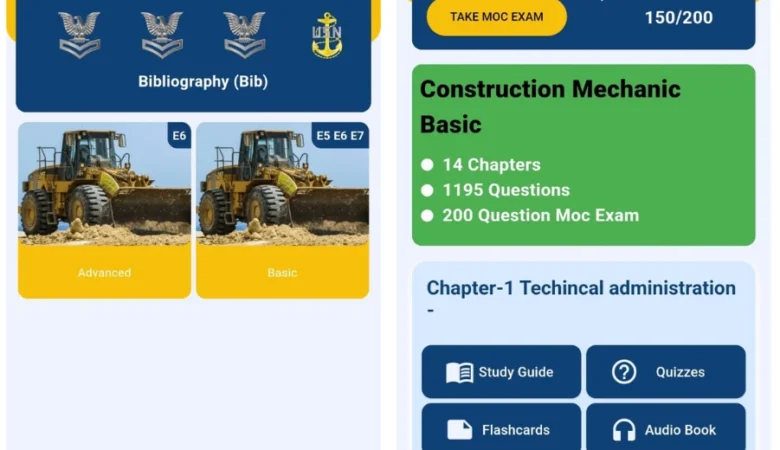
SeaBee – The Best Navy
SeaBee – The Best Navy Exam Study App Built for US Navy Seals Project Overview SeaBee is a free, comprehensive
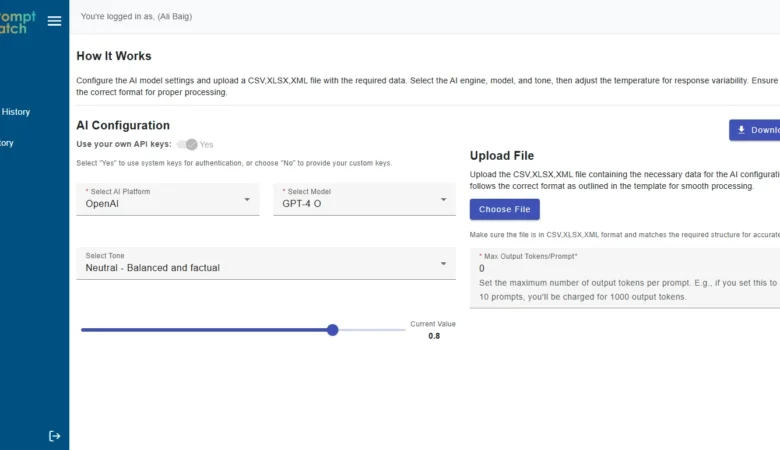
PromptBatch: Save 50% with AI
PromptBatch: The Best AI Batch Prompt Processing Web App | Orbilon Tech Project Overview PromptBatch Portal is a powerful AI
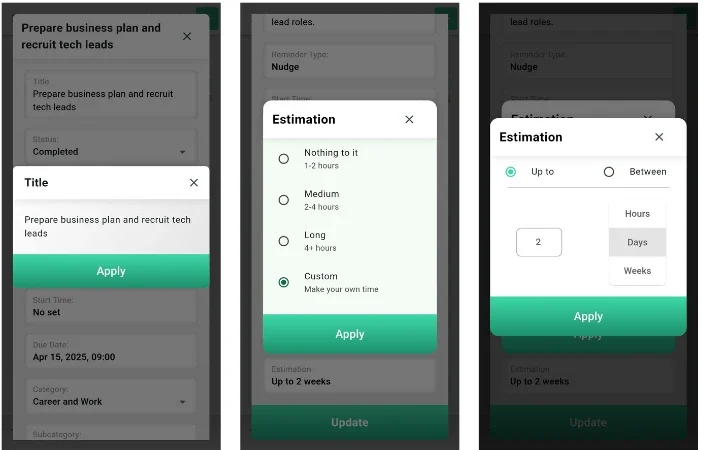
Spheres – The Revolutionary AI
Spheres – The Best AI Life Manager Mobile App That Actually Knows You Project Overview Spheres – Life Simplified is
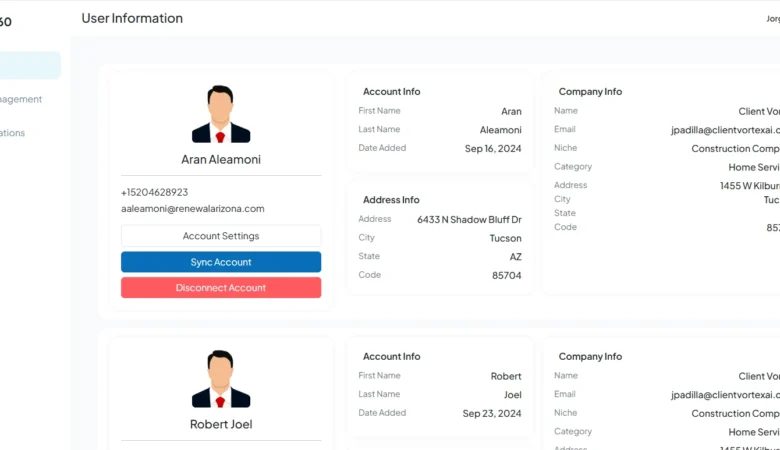
Rep360 AI – AI Bot
Rep360 AI – AI Bot Integration for GHL Workflows That Automates Sales Conversations Project Overview Rep360 AI is a fully
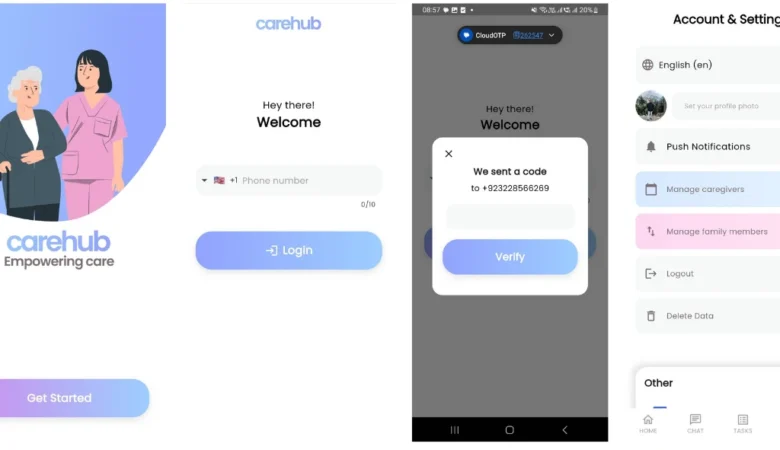
CareHub – Powerful Caregiver Communication
CareHub – Caregiver Communication App With Auto Translation CareHub App – Empowering Care CareHub is a powerful caregiver communication app
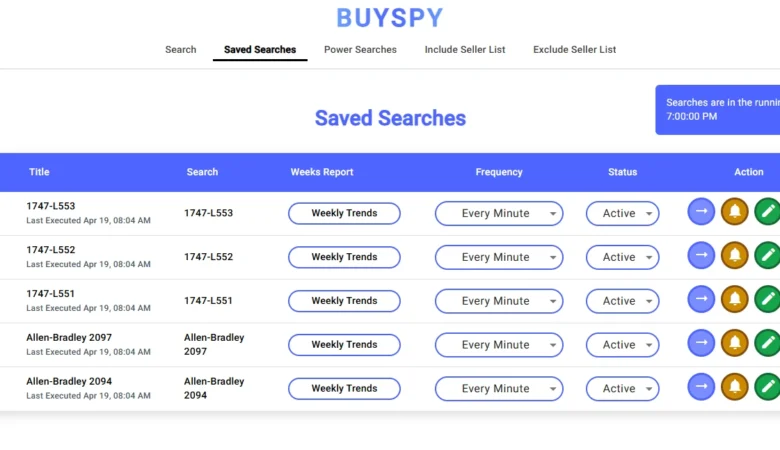
BuySpy – Ultimate Real-Time eBay
BuySpy — A Powerful Real-Time eBay Search Alerts App for Web & Mobile BuySpy is a real-time eBay search alerts
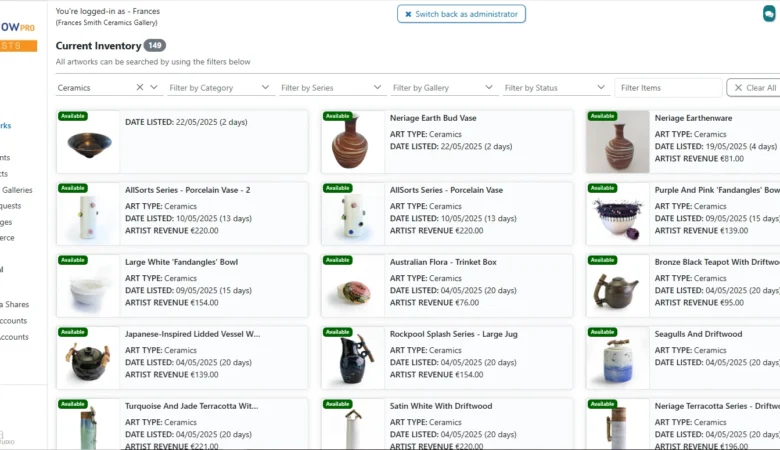
ArtFlow Pro — The Art
ArtFlow Pro — Full-Stack Art Gallery SaaS Platform for Artists & Galleries ArtFlow Pro – Streamline the Artwork Sales ArtFlow
Authentic Client Reviews via Clutch
Here’s what several of our clients have to say:
Want to Hire Us?
Are you ready to turn your ideas into a reality? Hire Orbilon Technologies today and start working right away with qualified resources. We will take care of everything from design, development, security, quality assurance, and deployment. We are just a click away.