Mobile App Development in Baltimore - Maryland | Orbilon Tech
Picture the Average Mobile User in Baltimore
A nurse at Johns Hopkins Hospital opens a healthcare app to log in for her shift. A T. Rowe Price portfolio manager checks a market dashboard before stepping into a meeting at 1307 Point Street. A Blackpoint Cyber engineer in Ellicott City pulls up a security incident on her phone while leaving home. A clinician in a Backpack Healthcare practice opens a patient app to confirm a Medicaid intake. A Hopkins APL contractor in Laurel reviews a project status app before crossing security at the gate.
That’s the cross-section. That’s who actually downloads, opens, and judges your Baltimore mobile app — every day, in real working contexts, where the cost of a bug isn’t a one-star review. It’s a dropped patient, a missed compliance flag, a delayed trade decision, a silent security gap.
Baltimore’s app market sits inside one of the most credentialed, regulated, and discerning audiences in U.S. tech. Maryland holds the third-highest concentration of advanced-degree holders in the country. Johns Hopkins University runs $3.4 billion in annual R&D — more than any academic institution in America. The city has been named a federal tech hub for AI and biotechnology, with projections of $4.2 billion in economic impact and 52,000 new jobs by 2030.
Local app users are tech-fluent and outcome-driven. They have alternatives. They will replace your app the moment it underperforms.
App development in Baltimore — done well — accounts for that audience from the first sprint, not the first crash report. Orbilon Technologies builds native iOS and Android, cross-platform Flutter and React Native, and AI-integrated mobile platforms — handled end-to-end from product strategy and UI/UX design through development, testing, and App Store deployment.
What Baltimore App Buyers Actually Look For (and What They Quietly Filter Out)?
We’ve sat through enough Baltimore vendor evaluations to map the patterns. Local procurement teams — at hospitals, financial services firms, biotech companies, defense-adjacent contractors — apply checklists most agencies never see. Here’s the short version of what passes and what doesn’t.
What passes the first review at a Baltimore healthcare buyer:
- Concrete HIPAA architecture explanation in your messaging.
- BAA-readiness signaling without overclaiming compliance certifications.
- Audit logging is mentioned as a default, not a premium tier.
- Data segregation patterns visible in the case study language.
- Honest team size — buyers know small teams ship; they distrust inflated numbers.
What gets quietly filtered out:
- Generic “we build healthcare apps” copy with no architecture detail.
- “HIPAA compliant” stamps without explanation.
- Case studies with patient counts that don’t match team size.
- Marketing copy that reads like consumer apps wearing a healthcare costume.
- Promises of FDA, FedRAMP, or SOC 2 certifications, most agencies don’t actually hold.
The same pattern repeats at Baltimore fintech buyers (T. Rowe Price-grade procurement, CFG Bank, Facet), defense-adjacent buyers (Hopkins APL contractor networks), and biotech buyers (the 1,800+ life sciences companies across Maryland’s broader ecosystem).
The shortcut: stop pitching certifications you don’t have, stop quoting numbers you can’t substantiate, and start describing the actual engineering work in plain language. Baltimore buyers respect that approach far more than inflated claims.
Why Charm City Mobile Apps Need Engineering Most National Agencies Skip?
Build any mobile app long enough, and you discover the silent failure modes — the patterns that don’t show up in marketing slides but determine whether the app survives 12 months in production. Baltimore amplifies several of these because of the specific industries that drive its mobile economy.
- Apps used inside hospitals must handle constrained networks. Hopkins Hospital, the University of Maryland Medical Center, and MedStar Health — large medical campuses run on managed networks where guest Wi-Fi is rate-limited, internal Wi-Fi requires authentication, and cellular reception varies wildly between surgical floors and parking garages. Apps that assume reliable connectivity get uninstalled within weeks. Offline-first sync, intelligent caching, and graceful degradation determine whether the app survives the first nursing shift change.
- Apps for financial professionals operate under audit logs that survive for five years. T. Rowe Price compliance teams, CFG Bank’s vendor evaluations, and Baltimore’s broader fintech procurement processes don’t just want logs — they want logs that survive long-term retention requirements, replay during audits, and don’t get truncated when storage gets tight. Most consumer-grade logging architecture fails at year two.
- Apps deployed in defense-adjacent settings need an MDM-aware design. Hopkins APL contractor networks, Naval Surface Warfare Center Carderock-adjacent vendors, and the broader Baltimore-Washington defense corridor deploy mobile apps onto Mobile Device Management (MDM) platforms with managed app catalogs, certificate-based authentication, and DoD-style configuration profiles. Apps that ignore these patterns fail enterprise deployment immediately.
- Apps in cybersecurity-aware companies face hostile reverse engineering. Blackpoint Cyber, BlueSteel Cybersecurity, Helm Point, and the broader Maryland cybersecurity industry build products in an environment where competitors and adversaries actively reverse-engineer mobile apps. Code obfuscation, certificate pinning, runtime application self-protection (RASP), and anti-tampering measures aren’t paranoia — they’re table stakes.
- Apps for diverse Baltimore neighborhoods need real multilingual UX. Highlandtown’s Spanish-speaking community, Northeast Baltimore’s diverse populations, and the broader Mid-Atlantic immigrant communities use mobile apps where machine-translated copy, English-only error messages, and missed RTL/LTR considerations create silent abandonment. Genuine localization moves retention numbers.
These aren’t edge cases. They’re baseline requirements for app development in Baltimore, done at the standard the city’s buyers actually expect.
The Mobile Stack We Use (and the Reasoning, Not Just the List)
Most agencies present their stack as a logo wall. We present ours as a set of decisions — because the choice of stack is the project, and the reasoning behind each tool matters more than the brand of each tool.
- For native development, we use Swift on iOS and Kotlin on Android — chosen when your app needs deep integration with HealthKit, biometric APIs, secure enclave keys, or hardware-backed authentication. Healthcare and finance apps in Baltimore tend to push us toward native more than consumer apps elsewhere.
- For cross-platform development, we use Flutter and React Native — chosen when speed-to-market matters and your app’s platform-specific surface area is small. Many Baltimore B2B and consumer apps land here.
- For backend infrastructure, we use Node.js, Python, FastAPI, and Firebase — chosen based on data shape, latency requirements, and your team’s existing engineering language preferences.
- For data persistence, we use PostgreSQL, MongoDB, Redis, and Firestore — chosen by data model, query patterns, encryption requirements, and your industry’s regulatory constraints.
- For cloud and CI/CD, we use AWS, Azure, GCP, Docker, Kubernetes, and automated pipelines — production deployments with monitoring, auto-scaling, and audit-ready logging compliance reviewers actually accept.
- For specialized integrations, we connect to Stripe, Plaid, Twilio, Apple HealthKit, FHIR APIs, biometric authentication frameworks, MDM platforms, and laboratory information systems — the specific integrations Baltimore healthcare, finance, and biotech apps need every project.
Our Clutch profile shows the kind of work this stack actually produces in active projects. Honest app development in Baltimore — from architecture choice through production deployment — runs on judgment about which tool earns its place, not on filling proposal pages with logos.
Mobile and Software Services for Baltimore Industries
Baltimore has a lot of industries that are really important to the city. These industries include healthcare and doing research to help people, financial services and new financial technology, defense technology, biotech and life sciences, keeping people safe from hackers, and companies that make things people buy. Each of these industries needs things from mobile devices.
Some things can be done with mobile devices in Baltimore.
- Mobile App Development: This is when someone makes an app for a phone or tablet. It can be for Apple devices or Android devices. Some apps need to be very secure, like ones that deal with people’s health information.
- Web Development: This is when someone makes a website that works with a mobile app. It should look nice. Be easy to use on different devices.
- E-commerce Development: This is when someone makes an app that allows people to buy things from their phone. It needs to be secure so people do not worry about their money.
- AI Development & Integration: This is when someone uses intelligence to make an app smarter. It can help with things like looking at papers, finding information, and helping doctors make good decisions.
- Custom CRM Development: This is when someone makes a special app for a company to help them keep track of their customers.
- Agentive AI Apps: This is when someone uses intelligence to help with tasks like scheduling appointments and processing paperwork.
- UI/UX Design: This is when someone makes an app that’s easy for people to use, even if they are not good with technology.
- SaaS Product Development: This is when someone makes an app that works with a website to help people do their job.
- Cloud Infrastructure / DevOps: This is when someone sets up the behind-the-scenes systems that make an app work. It needs to be secure and reliable for companies that deal with sensitive information, like healthcare.
What We've Built. What We've Deliberately Avoided. (Three Real Products.)
Most agency portfolios show what they’ve built. Ours also makes clear what we’ve deliberately stayed away from — because saying “yes” to every project shape is the fastest way to ship mediocre work.
We don’t build casino apps. We don’t build apps designed primarily for engagement-maximizing addictive loops. We don’t take on projects where the business model conflicts with user well-being. The three products below reflect what we actively want to build more of.
- CareHub — Encrypted Care Team Coordination: A cross-platform healthcare app built on Flutter, Node.js, and AWS. Distributed care teams coordinate through encrypted real-time messaging with automatic language translation and role-based access controls across multiple facilities. What it shows: HIPAA-aware engineering from sprint one. Multi-facility coordination patterns. Bilingual real-time messaging architecture. Audit-ready communication logs. The specific architectural posture Baltimore healthcare buyers — Hopkins Medicine, MedStar, Mercy Health Services, and the broader provider network — recognize as professional-grade work.
- Spheres — Consumer-Grade AI Life Assistant: A consumer mobile product that converts natural language input into organized daily plans, prioritized task lists, and goal tracking. Built with Flutter, deployed to App Store and Google Play with verified user ratings and active retention. What it shows: We don’t only ship enterprise back-office apps that live behind procurement firewalls. We can ship consumer-grade AI products against well-funded competition — useful proof for Baltimore consumer brands evaluating whether we can match Under Armour-grade polish on consumer mobile work.
- BuySpy — High-Frequency Data Pipeline App: A mobile and web app that connects to multiple retailer APIs simultaneously, normalizes pricing data across categories in real time, and serves filterable comparison results without lag. What it shows: Real-time data pipeline architecture. Multi-source ingestion. Normalization at scale. Useful proof for Baltimore B2B buyers evaluating whether we can handle data-heavy mobile experiences — procurement comparison apps, financial market dashboards, supply chain visibility tools.
Work Highlights
Some of our best works from many
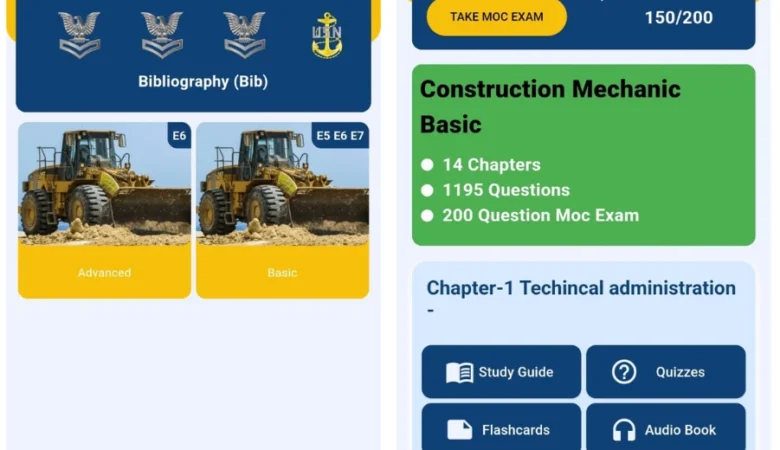
SeaBee – The Best Navy
SeaBee – The Best Navy Exam Study App Built for US Navy Seals Project Overview
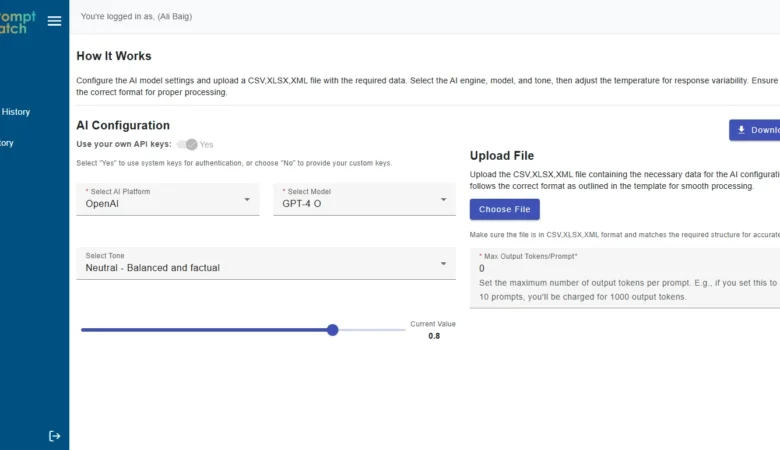
PromptBatch: Save 50% with AI
PromptBatch: The Best AI Batch Prompt Processing Web App | Orbilon Tech Project Overview PromptBatch
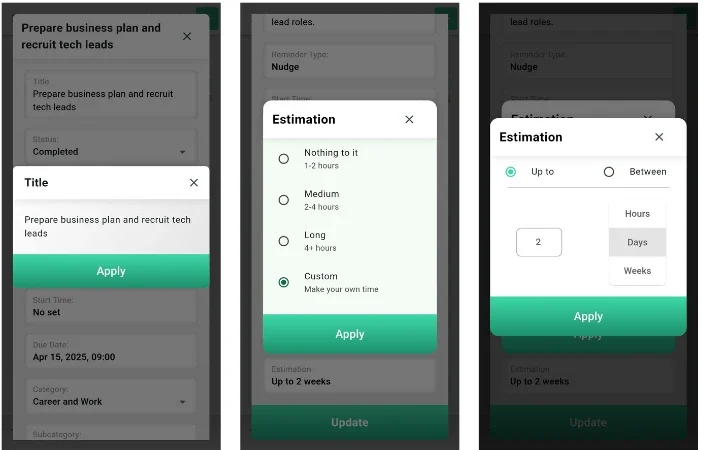
Spheres – The Revolutionary AI
Spheres – The Best AI Life Manager Mobile App That Actually Knows You Project Overview
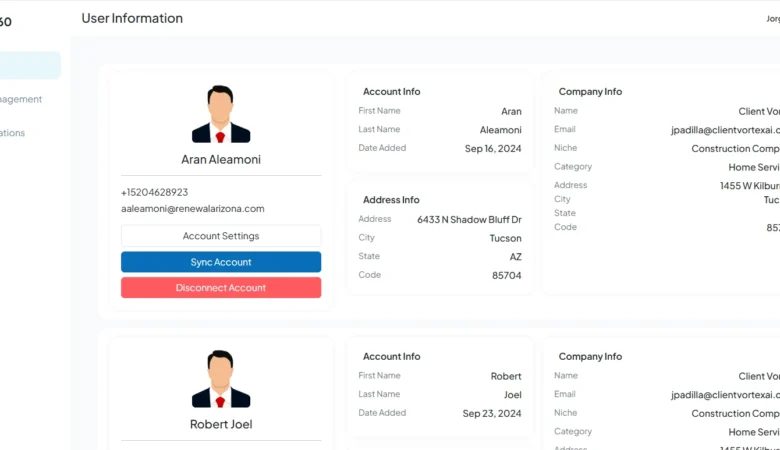
Rep360 AI – AI Bot
Rep360 AI – AI Bot Integration for GHL Workflows That Automates Sales Conversations Project Overview
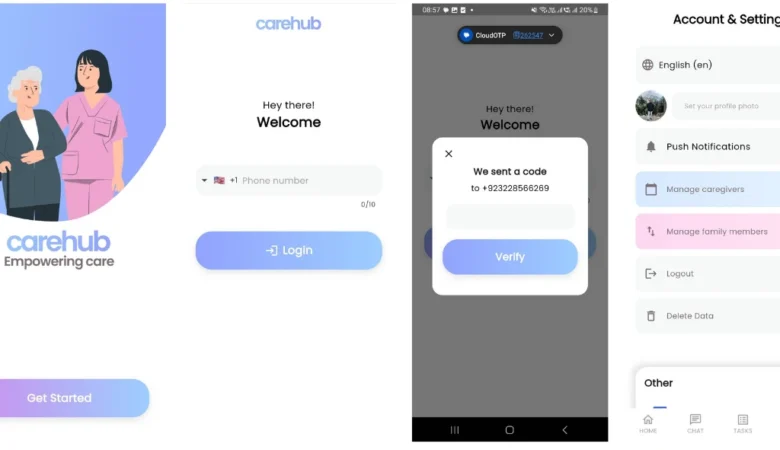
CareHub – Powerful Caregiver Communication
CareHub – Caregiver Communication App With Auto Translation CareHub App – Empowering Care CareHub is
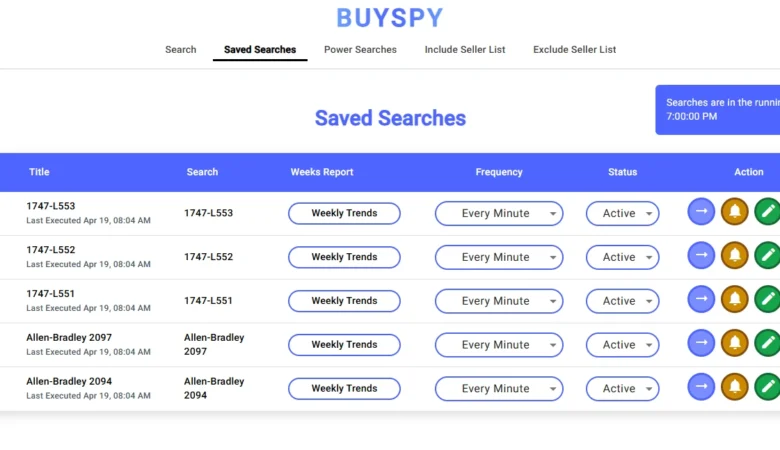
BuySpy – Ultimate Real-Time eBay
BuySpy — A Powerful Real-Time eBay Search Alerts App for Web & Mobile BuySpy is
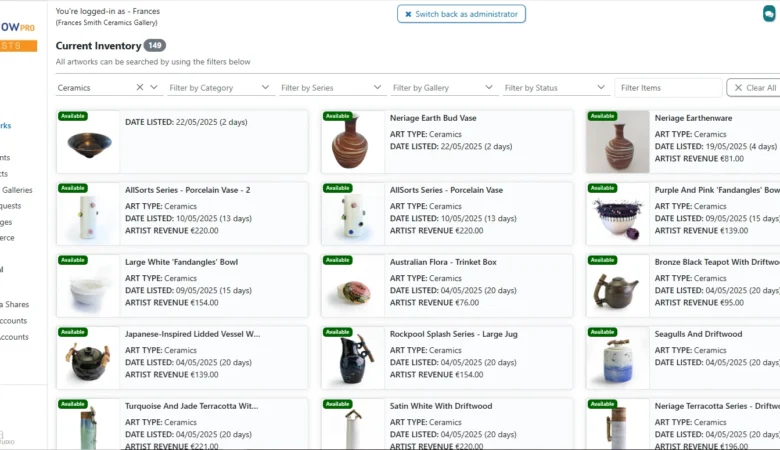
ArtFlow Pro — The Art
ArtFlow Pro — Full-Stack Art Gallery SaaS Platform for Artists & Galleries ArtFlow Pro –
Reviews on Clutch — Independently Verified, Not Self-Curated
Here’s what some of our clients have to say:
Want to Hire Us?
Are you ready to turn your ideas into a reality? Hire Orbilon Technologies today and start working right away with qualified resources. We will take care of everything from design, development, security, quality assurance, and deployment. We are just a click away.