Mobile App Development in Atlanta - Georgia | Orbilon Tech
Atlanta Startups Raised $756 Million Last Year and 28% Went to Fintech — Every One of Them Needs a Mobile Product
App development in Atlanta serves the fastest-growing startup ecosystem in the Southeast. Atlanta startups raised $756.5 million in venture capital during 2025 — a 23% increase year-over-year. Fintech captured 28% of all funding, healthcare technology took 22%, AI and machine learning attracted 18%, and cybersecurity pulled 12%.
Atlanta Tech Village operates as the fourth-largest technology hub in the entire United States. Mailchimp’s $12 billion acquisition, OneTrust’s $5.3 billion valuation, and Calendly’s $3 billion valuation have created a virtuous cycle — exits generating capital that gets reinvested into the next generation of founders. Georgia Tech’s Tech Square houses accelerators, coworking spaces, and innovation centers from over 30 corporations, including Delta, Home Depot, and AT&T.
The CDC is headquartered here, fueling a healthcare technology cluster that’s producing mobile-first patient care and telemedicine platforms. Atlanta offers 30-40% cost savings over coastal tech hubs while maintaining access to top-tier engineering talent from Georgia Tech, Emory, and Georgia State. The global mobile app market is projected to surpass $935 billion — and Atlanta’s startup ecosystem is building products to capture that revenue right now.
Orbilon Technologies delivers app development in Atlanta for businesses building in this market. We build native iOS and Android apps, cross-platform solutions with Flutter and React Native, and AI-integrated mobile platforms — from product strategy and UI/UX design through development, testing, and App Store deployment.
You Get a Team That Ships — Not a Team That Schedules Another Discovery Meeting
Atlanta’s startup founders don’t have time for vendors who bill 40 hours of “discovery” before writing a single line of code. When you’re burning through runway, and your investors expect a working demo by next quarter, you need engineers who start building in week one. That’s how we operate.
Week one: scope, architecture decisions, and first sprint planned. Week two: working code in a shared repository, you can see. Week four: build on your phone, you can actually test. Our engineering team works from Pakistan on US Eastern Time — the same timezone Atlanta runs on. Your dedicated developers are on Slack or Teams during Atlanta business hours. You see commits daily, get sprint demos biweekly, and have direct access to the engineers writing your code — not a project manager screening your messages.
Our Clutch profile rating from verified reviews shows this velocity across real projects. Atlanta businesses get senior Flutter, React Native, Swift, and Kotlin engineers at rates that stretch your seed round further — without cutting the features that make your app worth downloading.
What Separates an App That Gets Downloaded From One That Gets Deleted — Lessons From Atlanta's Toughest Market
Atlanta’s app market is saturated. Between the fintech startups in Buckhead, the healthtech companies near the CDC, and the enterprise tools coming out of Tech Square, your users have options. The apps that survive in this ecosystem share specific characteristics that most development agencies never discuss:
- The core value loads in under two seconds. Not the splash screen. Not the onboarding carousel. The actual thing your user downloaded the app to do. If a fintech app takes 4 seconds to show an account balance, or a healthcare app takes 5 seconds to load an appointment, the user opens a competitor’s app that does it in one. Atlanta’s mobile users are trained by Delta, Chick-fil-A, and Greenlight — apps built by local companies that obsess over milliseconds.
- Onboarding asks for the minimum, not the maximum. Every field you add to your signup form reduces completion by 10-15%. The apps that win in Atlanta let users experience value before asking for commitment. View the menu before creating an account. See the dashboard before entering payment info. Try the feature before agreeing to notifications. Reducing signup friction from 6 steps to 2 can double your activation rate.
- Push notifications earn their place or get revoked. Atlanta professionals receive 50-80 push notifications daily across all their apps. Yours will be deleted if it sends “Check out what’s new!” — and kept if it sends “Your prescription is ready for pickup” or “Payment of $2,400 cleared.” Every notification must deliver value that the user didn’t already know. Generic engagement pushes are the fastest path to an uninstall.
- Offline mode isn’t a feature — it’s insurance. MARTA underground. Hartsfield-Jackson terminal transitions. Elevators in Midtown high-rises. Downtown parking garages. Atlanta has connectivity gaps that hit users multiple times per day. If your app shows a spinner and dies every time the signal drops, adoption collapses. Offline-first architecture costs 15-20% more and determines whether your app survives the first month.
- Updates ship silently, or they ship users away. “Please update to continue” is app-store language for “we don’t respect your time.” Background updates, invisible migrations, and zero-downtime deployments are standard practice for the apps Atlanta users keep. Your maintenance plan should be invisible to users — not a monthly interruption.
Real app development in Atlanta means building for a market where good isn’t good enough — because your users are comparing you to apps built by billion-dollar companies headquartered in their own city.
Our Mobile App Development Stack
Our selection of tools is driven by the features and functionalities of your product – effectively, we don’t choose tools based on how fancy they may appear in a proposal deck.
When it comes to creating mobile applications, our technology stack includes Swift, Kotlin, Flutter, and React Native. For developing the server-side logic, our choices are Node.js, Python, Firebase, and FastAPI. We work with PostgreSQL, MongoDB, Redis, and Firestore for the databases. Our arsenal for cloud and deployment includes AWS, Azure, Google Cloud, Docker, Kubernetes, and CI/CD pipelines. AI and machine learning tools at our disposal are TensorFlow, OpenAI API, LangChain, and custom ML models. For the purpose of integration, we interface with Stripe, Twilio, Plaid, Google Maps, HealthKit, and social authentication providers.
Mobile and Software Services Built for Atlanta's Startup and Enterprise Economy
Atlanta is a city that has a lot of industries, including fintech, healthtech, cybersecurity, logistics, and enterprise SaaS. It also has a venture ecosystem that is worth $756 million. Each of these industries needs things from mobile apps.
Here are some of the things that Atlanta’s industries need:
- Mobile App Development: This means making apps for iPhones and Android phones, as well as apps that can work on both kinds of phones. These apps need to work fast when the internet is not available and have secure ways to log in and send messages. Atlanta’s companies expect these apps to be made to standards.
- Web Development: This means making custom websites using React and Node.js. These websites are the backbone that mobile apps connect to. They need to have good architecture and ways to track how people use them.
- E-commerce Development: This means making apps for shopping on phones. These apps need to have ways to pay, show what products are available in real time, and make smart suggestions to customers. They also need to follow the rules for shopping in Atlanta.
- AI Development & Integration: This means adding features to apps, such as chatbots, ways to scan documents, and ways to predict what customers will do. These features need to follow the rules and be secure for industries like fintech and healthtech.
- Custom CRM Development: This means making platforms for managing customer relationships that can be used on any device. These platforms need to show how sales are going, remind people to follow up, and track deals.
- Agentive AI Apps: These are apps that use intelligence to do tasks such as routing leads, scheduling appointments, and extracting information from documents. They need to have oversight to make sure they are doing things correctly.
- UI/UX Design: This means designing interfaces for apps that’re easy to use and look good. Atlanta’s users expect apps to be fast, easy to navigate, and have experiences like the apps made by Delta and Greenlight.
- SaaS Product Development: This means making companion apps for software platforms. These apps need to have push notifications work when the internet is not available and have dashboards that show different information to different people.
- Cloud Infrastructure / DevOps: This means setting up the backend of apps on cloud platforms like AWS or Azure. It also means making sure that apps are always working and can handle a lot of users, which is important for Atlanta’s fast-growing industries.
Three Shipped Products — Zero Stock Photos, Zero Invented Metrics
Every app below is live. Every link opens a real product page. We built these with the same engineers, same process, and same standards we bring to your Atlanta project:
- CareHub — Caregiver Communication App: A cross-platform healthcare app connecting care teams through real-time messaging with automatic language translation. Multiple user roles coordinate patient care across facilities. Built on Flutter, Node.js, and AWS. Atlanta has the CDC, Emory Healthcare, and a $22%-funded healthtech startup scene — this app demonstrates we build exactly what that ecosystem demands: HIPAA-aware data handling, multi-facility coordination, and real-time clinical communication.
- SeaBee — Navy Exam Study App: A content-rich mobile platform with structured learning paths, chapter-based study materials, quizzes, audiobooks, and progress tracking across sessions. Built with Flutter and Firebase. This proves we architect complex content systems with offline access, user progress persistence, and media management — the same depth Atlanta’s EdTech startups and corporate training platforms require.
- Spheres — AI Life Manager App: A consumer app powered by OpenAI that organizes tasks, goals, and daily routines through conversational AI. Built with Flutter. This shows we ship AI-native mobile products with consumer-grade polish — competing on the App Store against apps backed by millions in funding. In Atlanta’s competitive market, that polish isn’t optional.
Work Highlights
Some of our best works from many
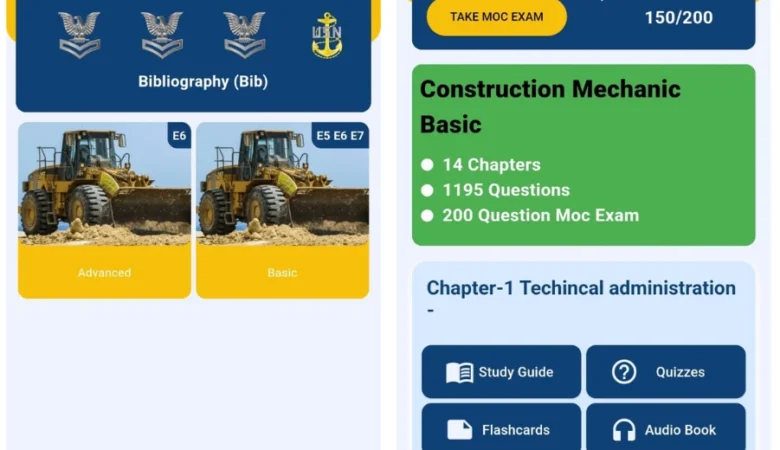
SeaBee – The Best Navy
SeaBee – The Best Navy Exam Study App Built for US Navy Seals Project Overview
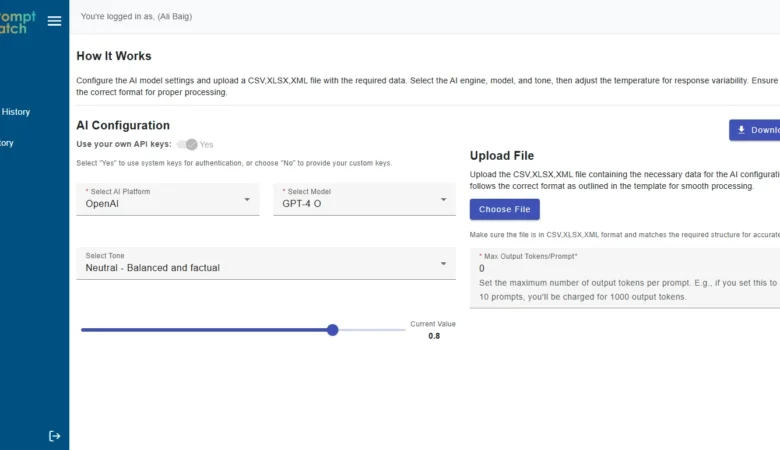
PromptBatch: Save 50% with AI
PromptBatch: The Best AI Batch Prompt Processing Web App | Orbilon Tech Project Overview PromptBatch
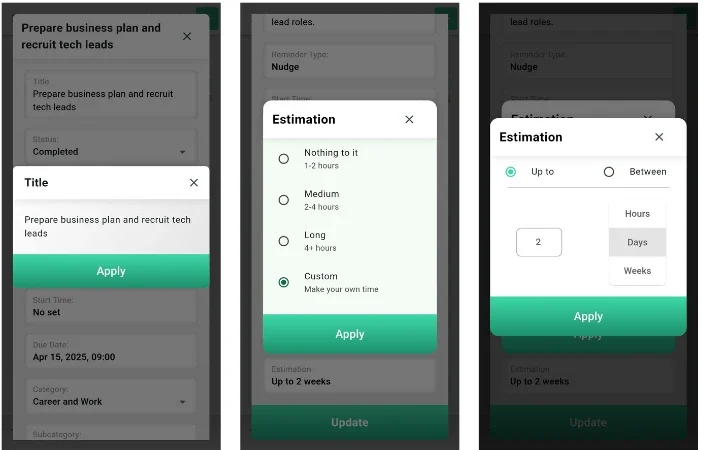
Spheres – The Revolutionary AI
Spheres – The Best AI Life Manager Mobile App That Actually Knows You Project Overview
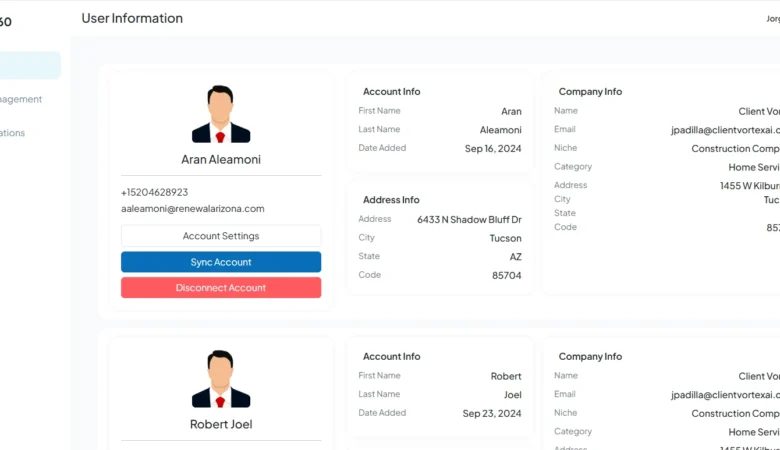
Rep360 AI – AI Bot
Rep360 AI – AI Bot Integration for GHL Workflows That Automates Sales Conversations Project Overview
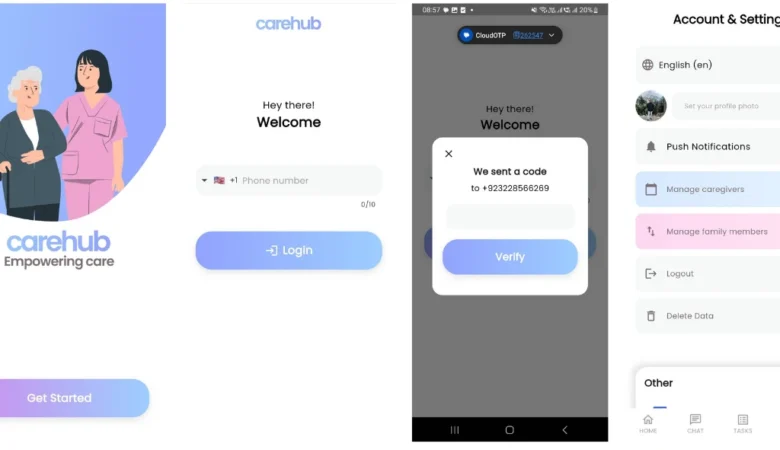
CareHub – Powerful Caregiver Communication
CareHub – Caregiver Communication App With Auto Translation CareHub App – Empowering Care CareHub is
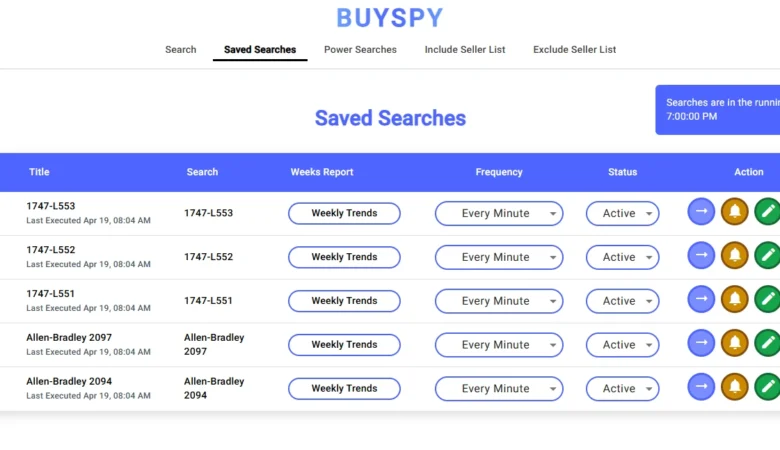
BuySpy – Ultimate Real-Time eBay
BuySpy — A Powerful Real-Time eBay Search Alerts App for Web & Mobile BuySpy is
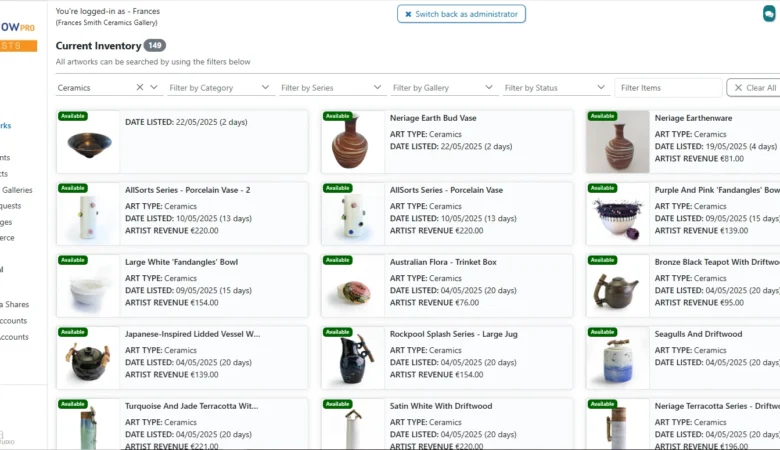
ArtFlow Pro — The Art
ArtFlow Pro — Full-Stack Art Gallery SaaS Platform for Artists & Galleries ArtFlow Pro –
4.96 Stars on Clutch — From People Who Actually Hired Us
Here’s what some of our clients have said about us
Want to Hire Us?
Are you ready to turn your ideas into a reality? Hire Orbilon Technologies today and start working right away with qualified resources. We will take care of everything from design, development, security, quality assurance, and deployment. We are just a click away.