
Mobile App Development in Jacksonville - Florida | Orbilon Tech
Jacksonville's Mobile Workforce Spans 258,800 JAXPORT Jobs, 53,300 Fintech Employees, and 3,000 Military Personnel a Year — Apps Here Get Used in Real Conditions
App development in Jacksonville serves a city where mobile apps face conditions most agencies have never tested for. Truck drivers moving freight through the I-95 and I-75 corridors switch between cellular dead zones and full-bar coverage twenty times a day. Naval personnel at NAS Jacksonville and Naval Station Mayport — producing roughly 3,000 military separations per year — use apps in environments with managed device policies, intermittent connectivity, and security postures most consumer apps were never designed for. Healthcare patients across Florida Blue and the broader provider network expect apps to work the same on a brand-new iPhone in Jacksonville Beach as on a five-year-old Android phone in Springfield.
JAXPORT longshoremen working the docks need apps that don’t fail when ship containers block cellular signals. The market behind these users is enormous. Jacksonville crossed 1,009,833 residents in 2024 — the third fastest-growing large city in America. The fintech sector employs 53,300 people, with FIS operating its 386,000-square-foot global headquarters on the downtown riverfront and ICE, Deutsche Bank, SS&C Technologies, SoFi, Dun & Bradstreet, Paysafe, Black Knight, Nymbus, iCapital, and PwC anchoring the broader ecosystem. JAXPORT contributes $44 billion in annual economic output and supports 258,800 jobs. Amazon is building its 11th distribution facility in the region. CSX Transportation runs corporate operations from Jacksonville. DHL Supply Chain, KeHE, Anderson-Dubose, and ARC manage logistics infrastructure here.
The aerospace momentum brings precision-grade demand. Hermeus is establishing hypersonic aircraft engine testing at Cecil Airport, with 100 high-wage tech jobs already announced. HOLON — the German autonomous vehicle manufacturer — chose Jacksonville for its first U.S. headquarters. BAE Systems Jacksonville Ship Repair operates a fully functional shipyard on the St. Johns River. The defense aviation talent pool feeds directly into mobile app demand for military-adjacent technology.
The corporate base rounds it out. Johnson & Johnson Vision develops products in Jacksonville. Fanatics — the global sports merchandise platform — runs major operations here. Florida Blue serves millions of policyholders across the state, from Jacksonville. PGA TOUR is headquartered here, producing THE PLAYERS Championship — one of the most prestigious tournaments in professional sports. Two new airlines, Avelo and Breeze, launched routes from Jacksonville International Airport in 2025.
Tech employment now sits at 35,000+ workers, contributing 6.3% of Florida’s tech output. Local startups have generated $2.6 billion and 15,000+ jobs over the past decade, according to a University of North Florida study. Subsea fiber connects Jacksonville to over 40 countries, putting the city on the global digital map. Forty-five million people live within an eight-hour drive, and the region offers same-day access to 98 million consumers — the reason Jacksonville is widely called America’s Logistics Center.
Orbilon Technologies delivers app development in Jacksonville for businesses building in this real-world test environment. We build native iOS and Android apps, cross-platform solutions with Flutter and React Native, and AI-integrated mobile platforms — from product strategy and UI/UX design through development, testing, and App Store deployment.
When You Hire Us, You Get the Same Engineers From Day One Through Production — Not a New Developer Every Sprint
Most agencies along Jacksonville’s Southside, Town Center, and downtown riverfront operate on a shared-resource model. They sign your contract with senior engineers in the room. By sprint three, those engineers have rotated to bigger accounts. By sprint six, you’re working with developers who joined your project last month and are still reading your codebase for the first time.
That rotation costs you in ways most agencies never disclose. Sprint velocity drops 30-40% with every developer change. Architecture decisions made in early sprints get reversed by engineers who didn’t make them. Bug rates spike because new developers don’t yet understand the assumptions baked into your domain logic.
We don’t operate that way. When Orbilon assigns engineers to your Jacksonville app, they stay through deployment and ongoing maintenance. Your developers learn your codebase, understand your domain, and build the kind of context that compounds across every sprint instead of resetting every Monday morning. Our engineering team operates from Pakistan on US Eastern Time. Your developers are on Slack or Teams during Jacksonville business hours. Sprint demos happen biweekly with working software you install on your actual phone — not a screen share of someone else’s device.
Our Clutch profile rating from verified client reviews shows what continuous engineering engagement produces. Jacksonville businesses get senior Flutter, React Native, Swift, and Kotlin engineers at rates that protect your fintech MVP, your logistics technology budget, or your healthcare app project through launch — without the rotation tax that quietly extends timelines and inflates costs at most agencies.
Why Jacksonville's Logistics Drivers, Healthcare Patients, and Military Families Need Apps That Work When Connectivity Doesn't?
Jacksonville’s app market sits at an unusual intersection. The end users here move through environments where connectivity is unpredictable, security stakes are high, and downtime carries real consequences. Apps that succeed in this market understand specific patterns most agencies have never engineered for.
- Logistics apps must survive cellular dead zones along the I-95 and I-75 corridors. Truck drivers, delivery contractors, JAXPORT longshoremen, and rail logistics workers move through environments where cellular coverage drops without warning — between containers, inside warehouses, beneath overpasses, in industrial corridors. Apps that show error screens when the signal weakens get abandoned within a week. Offline-first sync, intelligent caching, and local-first data architecture aren’t features in this market — they’re baseline engineering decisions that determine whether the app survives its first month of real use.
- Healthcare apps need HIPAA architecture from sprint one, not before audit season. Florida Blue, Johnson & Johnson Vision, and the broader Jacksonville healthcare network evaluate every digital partner against compliance standards that don’t tolerate retrofits. Business Associate Agreement-ready data handling, audit logging, breach notification workflows, and proper PHI segregation either exist in your architecture from the first commit, or you pay 3-5x more to build them in later. The math doesn’t work the second way.
- Fintech apps face SOC 2, PCI DSS, and regulatory scrutiny from buyers who’ve worked with FIS-grade vendors. FIS, ICE, Paysafe, SoFi, and Black Knight have trained Jacksonville’s fintech procurement teams to expect specific security postures. Mobile apps in this sector need biometric authentication, hardware-backed key storage, transaction signing, fraud detection, and regulatory audit trails as foundational elements — not features added before a launch deadline. Apps that retrofit security ship months late and never quite catch up.
- Military and defense-adjacent apps need security postures that most commercial vendors don’t engineer for. NAS Jacksonville and Naval Station Mayport feed a defense workforce where Section 508 compliance, MDM-aware development, and security-hardened deployments aren’t optional. The 3,000 military separations per year produce a talent pipeline that flows directly into private-sector roles where these expectations transfer with them. Mobile apps serving these users need to meet that bar from day one.
- Sports and entertainment apps need to handle major event traffic spikes. THE PLAYERS Championship at TPC Sawgrass draws hundreds of thousands of attendees annually. Jacksonville Jaguars home games at EverBank Stadium generate massive concurrent mobile traffic. Apps are architected for steady-state load collapse during these events. Building for elastic auto-scaling, intelligent caching, and graceful degradation requires architectural decisions made early — not patches added after the first failure.
- Multilingual support reflects Jacksonville’s actual demographics. Jacksonville’s population includes substantial Spanish-speaking communities, particularly across the Westside and the broader First Coast. Apps that ignore this audience leave revenue and engagement on the table — particularly in healthcare, financial services, and consumer-facing categories.
This is what real app development in Jacksonville requires — engineering for the actual conditions, security stakes, and audiences that define this city’s logistics, healthcare, fintech, and defense economy.
Mobile Stack Behind Every Jacksonville Build — Each Tool Earns Its Place
It’s not our way to stuff stack lists with fashionable frameworks just to get more attention in the proposals. Each one of the layers underneath plays a definite role in the kind of apps we deliver for our Jacksonville clients in the logistics, fintech, healthcare, and defense sectors.
- Native development: Swift for iOS, Kotlin for Android. Chosen when your app necessitates top-notch performance, direct access to hardware, or other platform-specific features, which healthcare and defense apps often do.
- Cross-platform development: Flutter, React Native. Chosen when you want to cover both iOS and Android with a single codebase, which is a great way to quickly launch fintech MVPs and logistics consumer products.
- Backend and APIs: Node.js, Python FastAPI, and Firebase. Designed to build multi-tenant, security-hardened backends that regulated industries like those in Jacksonville will require.
- Data storage: PostgreSQL, MongoDB, Redis, and Firestore. Your choice depends on factors such as transaction volume, query patterns, encryption requirements, and the regulatory environment of the data.
- Cloud infrastructure: AWS, Azure, Google Cloud, Docker, Kubernetes, and CI/CD pipelines. These are production deployments that come with monitoring, auto-scaling, and audit-ready logging features for the compliance reviewers.
- Specialized integrations: Stripe, Plaid, Twilio, Apple Pay, Google Pay, HealthKit, FHIR for healthcare interoperability, biometric authentication, fleet tracking APIs, and warehouse management system connectors. The exact integrations that Jacksonville’s logistics, fintech, and healthcare apps rely on.
Mobile and Software Services Built for Jacksonville's Real Industries
The city of Jacksonville has a lot of businesses like fintech and financial services, logistics and transportation, and aerospace and defense. These businesses need things from their mobile devices.
- Mobile App Development: We make apps for iPhones and Android phones. We also use Flutter and React Native to make apps that work on both. These apps can work when you do not have internet, and they are safe and secure. They can even use things like fingerprints to keep your information private. We make sure these apps work well in Jacksonville.
- Web Development: We make custom websites using React and Node.js. These websites are like the backbone that your mobile app connects to. We also set up ways to track how people use your website and make sure it is safe.
- E-commerce Development: We make apps that let people buy things on their phones. These apps are safe and secure. They can even tell you what items are in stock in real time. They can also make suggestions based on what you like.
- AI Development & Integration: We put things into your app, like special math that can predict things and scan documents. We also use computers that can do things on their own, but we make sure they follow the rules.
- Custom CRM Development: We make platforms that help you keep track of your customers or patients. You can see what is going on with each person and even set reminders to follow up with them.
- Agentive AI Apps: We make apps that use special computers to do things like handle claims or schedule appointments. These computers can even do things on their own, but we make sure a human is always watching to make sure everything is okay.
- UI/UX Design: We make the interfaces of apps user-friendly and safe. We know that people in Jacksonville need to be able to use these apps easily, especially in important moments.
- SaaS Product Development: We make apps that work with software. These apps can send you messages and even work when you do not have internet. They can also show you information based on your role.
- Cloud Infrastructure / DevOps: We set up the backend of apps using companies like AWS or Azure. We make sure these apps are safe and secure, and we follow all the rules to keep your information private in Jacksonville.
Three Apps Already Shipping — Three Links That Show More Than a Pitch Deck Could
We don’t share fictional Jacksonville logistics clients. We don’t reference unnamed fintech projects with fabricated metrics. Every product below is in production right now, built by the same engineers who will work on your project.
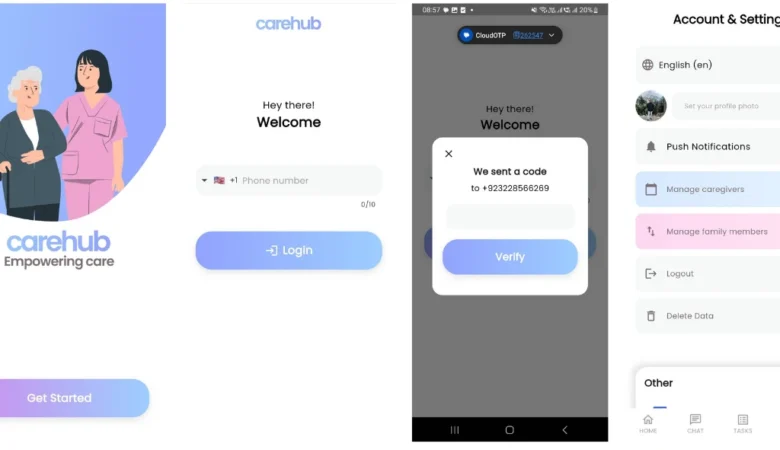
- CareHub — Caregiver Communication App: A cross-platform healthcare application where distributed care teams coordinate through encrypted real-time messaging, automatic language translation, and role-based access controls across multiple facilities. Built on Flutter, Node.js, and AWS. The architecture matters specifically for Jacksonville’s healthcare market. Florida Blue, Johnson & Johnson Vision, and the broader provider network demand HIPAA-aware engineering with multi-facility coordination, sensitive medical data handling, and audit-ready communication built into the foundation. CareHub demonstrates we ship with that compliance posture from sprint one — not bolted on before audit season.
- SeaBee — Navy Exam Study App: A content-rich mobile platform with structured learning paths, chapter-based study materials, quizzes with persistent scoring, audiobook integration, and full offline access for environments where connectivity isn’t reliable. This proves we ship apps with structural depth and offline-first architecture. Jacksonville’s defense ecosystem — anchored by NAS Jacksonville, Naval Station Mayport, BAE Systems Jacksonville Ship Repair, and the 3,000 military separations per year that flow into the regional workforce — needs apps that work in environments where connectivity disappears (training scenarios, secure facilities, ship operations, field assignments). SeaBee demonstrates that we engineer for those exact conditions.
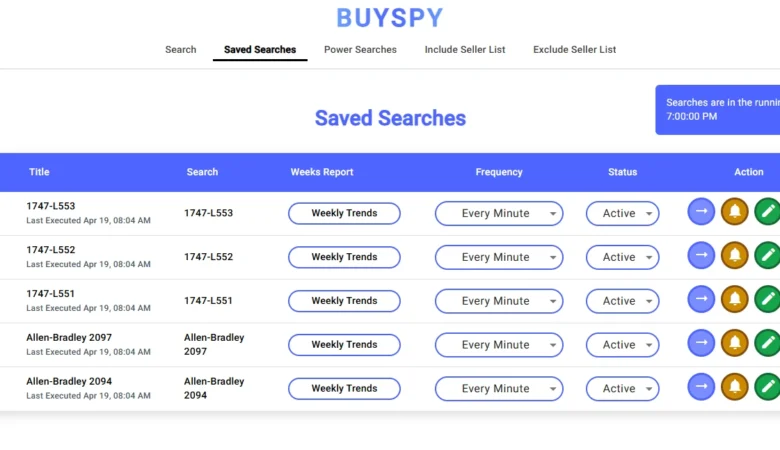
- BuySpy — Price Comparison Mobile App: A high-performance mobile and web application connecting to multiple retailer APIs simultaneously, normalizing pricing data across categories in real time, and serving filterable comparison results without lag. The data pipeline architecture matters for Jacksonville specifically. JAXPORT processes cargo across thousands of containers daily. CSX manages rail logistics across thousands of routes. Amazon’s 11th distribution facility coordinates inventory across regional warehouses. Building apps that handle high-frequency, multi-source data without breaking is the engineering baseline for Jacksonville’s logistics, fintech, and supply chain technology demands.
Work Highlights
Some of our best works from many
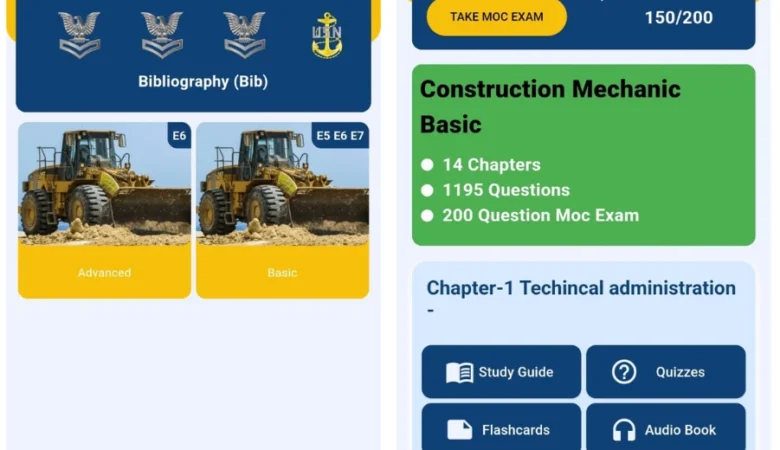
SeaBee – The Best Navy
SeaBee – The Best Navy Exam Study App Built for US Navy Seals Project Overview
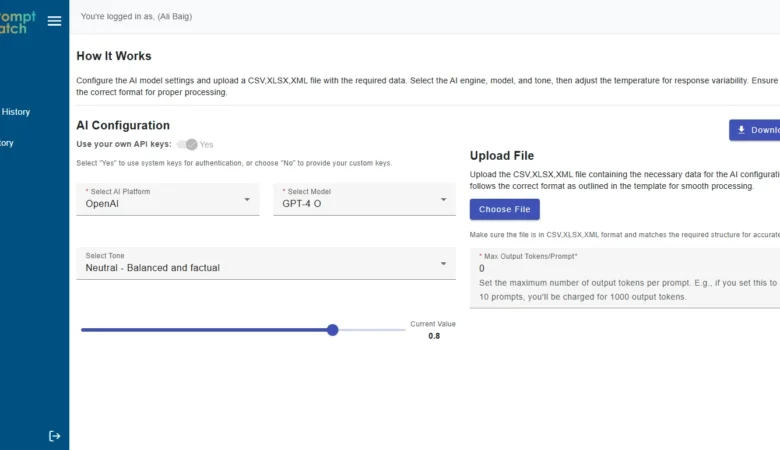
PromptBatch: Save 50% with AI
PromptBatch: The Best AI Batch Prompt Processing Web App | Orbilon Tech Project Overview PromptBatch
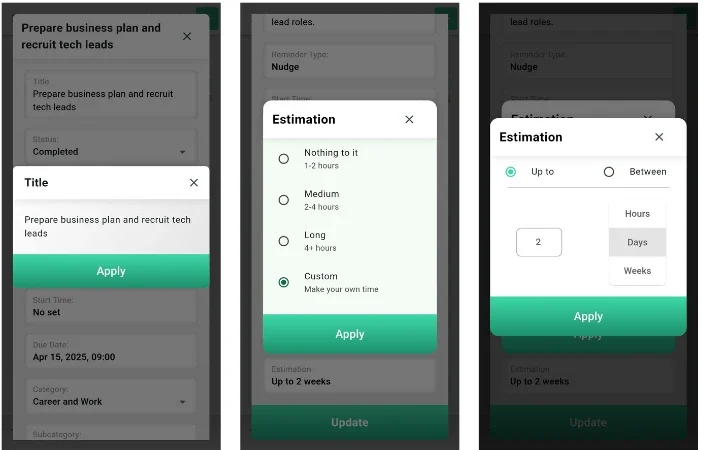
Spheres – The Revolutionary AI
Spheres – The Best AI Life Manager Mobile App That Actually Knows You Project Overview
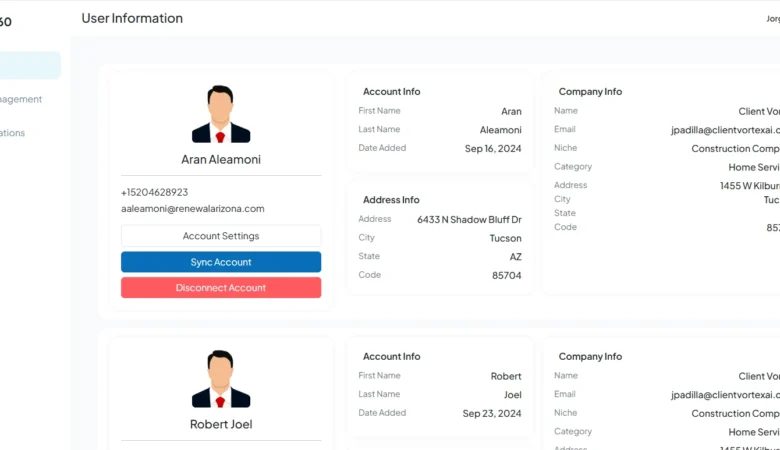
Rep360 AI – AI Bot
Rep360 AI – AI Bot Integration for GHL Workflows That Automates Sales Conversations Project Overview
CareHub – Powerful Caregiver Communication
CareHub – Caregiver Communication App With Auto Translation CareHub App – Empowering Care CareHub is
BuySpy – Ultimate Real-Time eBay
BuySpy — A Powerful Real-Time eBay Search Alerts App for Web & Mobile BuySpy is
ArtFlow Pro — The Art
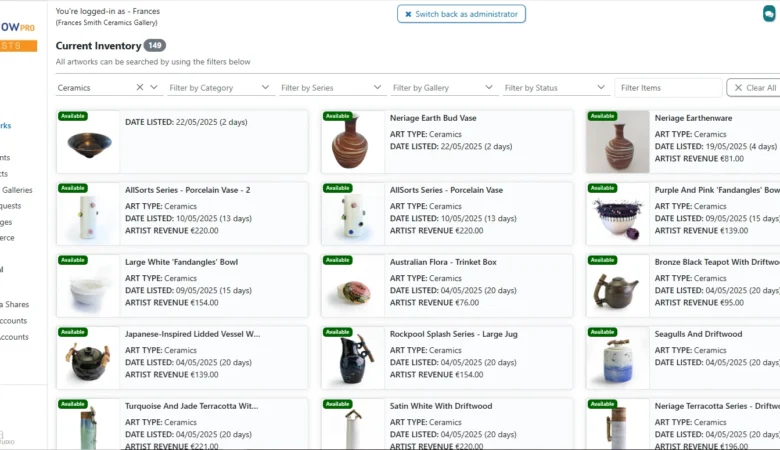
ArtFlow Pro — Full-Stack Art Gallery SaaS Platform for Artists & Galleries ArtFlow Pro –
Verified Reviews on Clutch — Where Jacksonville's Procurement Teams Actually Open Before Saying Yes
Here’s what some of our clients have said about us
Want to Hire Us?
Are you ready to turn your ideas into a reality? Hire Orbilon Technologies today and start working right away with qualified resources. We will take care of everything from design, development, security, quality assurance, and deployment. We are just a click away.