Mobile App Development in Miami - Florida | Orbilon Tech
Coindesk's Consensus 2026, Formula 1 Miami, eMerge Americas — Your App Will Either Live Up to Miami's Stage or Get Forgotten Mid-Scroll
App development in Miami serves a city where the world’s most prominent technology, finance, and entertainment events happen on a calendar most cities can only dream about.
CoinDesk’s Consensus — the largest crypto conference in the Americas — comes to Miami Beach Convention Center May 5-7, 2026. The Formula 1 Miami Grand Prix returns with hundreds of thousands of attendees, all looking for premium tickets, hospitality bookings, and live experiences through their phones. eMerge Americas brought together founders, investors, and Fortune 500 leaders just last quarter. The Miami AI Agent Summit, Smart City Expo Miami, Fintech Nerdcon, North American Bitcoin Conference, and Miami Tech Summit fill the calendar year-round.
Then there are the companies driving Miami’s mobile economy daily. MoonPay builds payments infrastructure for crypto from Miami. Mastercard runs global payments technology operations here. OpenSea — the NFT marketplace destination of the on-chain economy — operates in the city. Royal Caribbean and Carnival run cruise booking and onboard experience apps reaching millions of passengers. Maple Finance is converging tokenization and stablecoins for institutional asset management. Solum Global brings blockchain to healthcare payments. Cypator replaces phone calls and Telegram chats with institutional-grade crypto trading infrastructure.
The market signals are everywhere. South Florida secured $2 billion in venture capital just in the first half of 2025. Miami metro houses 4,738 tech companies, including 614 fintech firms. Senior AI engineers at Amazon and Microsoft in Miami earn $300,000 to $450,000. Your app — whether it serves cruise passengers, crypto traders, F1 fans, real estate buyers, healthcare patients, or Latin American B2B clients — competes against the apps these enterprises ship.
Orbilon Technologies delivers app development in Miami for businesses ready to compete at this level. We build native iOS and Android apps, cross-platform solutions with Flutter and React Native, and AI-integrated mobile platforms — from product strategy and UI/UX design through development, testing, and App Store deployment.
You Pay for Engineers Building Your App — Not for an Agency Splitting Your Developer Across Six Other Miami Clients
Most Miami app agencies operate on a shared-resource model. Your dedicated team isn’t actually dedicated. Your assigned developer is also building someone else’s fintech MVP, optimizing a different client’s hospitality platform, and patching a third client’s crypto wallet — all in the same week.
When the bigger client calls, your sprint slips. When a launch deadline hits on another project, your bug fixes wait. Your “exclusive engineering team” becomes a calendar puzzle you’re paying full price for. We don’t share your engineers across portfolios. When Orbilon assigns developers to your project, they stay on it through deployment and ongoing maintenance. They build deep institutional knowledge of your codebase, your users, and your business logic — context that compounds with every sprint instead of getting reset every Monday morning.
Our engineering team operates from Pakistan on US Eastern Time. Your dedicated developers are on Slack or Teams during Miami business hours. Sprint demos happen biweekly with working software you can install and test on your actual phone — not a screen share of someone else’s device. Our Clutch profile — 4.96 rating from verified client reviews — proves this commitment model produces apps that ship.
Miami businesses get senior Flutter, React Native, Swift, and Kotlin engineers at rates that keep your seed round, your Series A, or your operational budget intact through launch — instead of getting drained by scope creep and developer rotation.
Why Miami's Cruise, Crypto, and Cross-Border Apps Need Engineering Most Cities Don't Understand?
Miami’s mobile app market isn’t comparable to Austin’s, Boston’s, or Seattle’s. The use cases here demand technical patterns that most agencies — even good ones — don’t have hands-on experience with.
- Cruise and hospitality apps need to work without internet. Royal Caribbean and Carnival passengers spend days at sea where cellular coverage doesn’t exist. Apps must function entirely offline — viewing schedules, making bookings, accessing tickets, communicating with onboard staff — and sync seamlessly when connectivity returns. Building for this isn’t a feature. It’s the architecture decision that determines whether the app survives its first cruise.
- Crypto and fintech apps need security architecture from day one. MoonPay processes payments. OpenSea handles NFT transactions. Cypator runs institutional crypto trading. These apps require biometric authentication, hardware-backed key storage, transaction signing, fraud detection, and AML/KYC integration as foundational components — not features added before launch. Apps that retrofit security ship 6 months late and 3-5x over budget.
- Cross-border apps need bilingual everything, not just translated screens. Miami’s Latin American audience uses apps that must work flawlessly in both Spanish and English — including push notifications, error messages, payment flows, customer support chat, and currency display. Apps with English-only error states or English-only confirmation emails get uninstalled by Latin American users within the first week.
- Sports and event apps need real-time data at scale. Formula 1 Miami draws hundreds of thousands of fans accessing live timing, ticket details, hospitality information, and event maps simultaneously. Apps serving event-driven traffic must handle concurrent user spikes 50-100x normal load. Architecture that works for a steady-state SaaS app collapses under event-day pressure.
- Healthcare apps need HIPAA awareness from architecture, not from a checklist. Solum Global brings blockchain to healthcare payments. Insightec is named to Fast Company’s 2026 Most Innovative Companies for treating neurological disorders. Healthcare apps in Miami integrate with EHR systems, transmit PHI, and route between providers — every API call, every data field, every authentication flow needs HIPAA awareness designed in.
Real app development in Miami means engineering for these specific patterns — because the apps that thrive here aren’t generic mobile products with a Miami flag.
The Mobile Tech We Pick for Every Miami Build — and the Reasoning Behind Each Choice
- We will not propose a technology just for the sake of having one. Each tool mentioned below serves a definite purpose in delivering projects for Miami customers.
- Native development: Swift for iOS, Kotlin for Android. We opt for native if your app requires the highest efficiency, intensive hardware interaction, or features specific to a platform, such as those in cruise apps and crypto wallets.
- Cross-platform development with Flutter and React Native. Chosen when you want to produce for both iOS and Android using a single codebase, which can help you reduce the time-to-market for fintech MVPs and consumer apps.
- Backend and APIs: Node.js, Python, FastAPI, and Firebase. Created for the API-first architectures that Miami’s bilingual, multi-tenant, payment-integrated apps are built around.
- Data storage: PostgreSQL, MongoDB, Redis, and Firestore. The selection is made depending on your transaction level, the ways queries will be made, and the law that your data has to comply with.
- Cloud and CI/CD, AWS, Azure, Google Cloud, Docker, Kubernetes, and automated pipelines. Your application deploying to production should be as simple as one merge of code without the need for a manual developer checklist that can easily be forgotten.
- Specialized integrations: Stripe, Plaid, Twilio, Apple Pay, Google Pay, HealthKit biometric authentication, and crypto wallet SDKs. These are the particular integrations that Miami’s fintech, crypto healthcare, and cross-border apps rely on.
Mobile and Software Services Built for Miami's Real Industries
Miami’s economy is really diverse. It includes things like fintech and crypto healthcare technology, real estate technology, cruise and hospitality logistics through PortMiami, sports and entertainment, and Latin American business-to-business commerce. Each of these areas needs things from mobile devices.
There are types of development that can be done for Miami.
- Mobile App Development: This includes making apps for iPhone and Android, as well as apps that can work on both using things like Flutter and React Native. These apps need to be able to work in two languages, have a login, be able to work offline, and follow rules like PCI and HIPAA.
- Web Development: This is about making custom websites using React and Node.js. These websites are like the backbone that mobile apps connect to. They need to be able to work in two languages and have analytics from the start.
- E-commerce Development: This involves making shopping apps that have secure payments, show what is in stock in real time, make suggestions based on what people like, and can handle purchases across borders in Latin America.
- AI Development & Integration: This is about adding features to apps like chatbots that can speak many languages, scanning documents, finding fraud, and automating tasks with logging to follow rules.
- Custom CRM Development: This is about making platforms for managing customer relationships with views of the sales process in two languages, automatic follow-ups, and tracking of deals that can be seen by everyone in the Miami area.
- Agentive AI Apps: These are apps that use intelligence to handle things like finding new customers, checking identities, reviewing documents, and approving workflows with human oversight where necessary.
- UI/UX Design: This is about making interfaces that are designed for people in Miami who use their devices first with fast setup, beautiful design, and flows that are focused on getting results.
- SaaS Product Development: This involves making companion apps for software platforms with things like push notifications, syncing offline, dashboards based on roles, and seamless continuity from web to mobile.
- Cloud Infrastructure / DevOps: This is about building the architecture on platforms like AWS or Azure with pipelines, for continuous integration and delivery monitoring, auto-scaling, and infrastructure that can handle the fast growth of Miami.
Real Apps. Three Working Links. Three Minutes to Decide.
We don’t show concept renders, fictional Miami fintech clients, or invented user metrics. Every product below is a live application built by the engineers who will work on your project.
- CareHub — Caregiver Communication App: A cross-platform healthcare application where distributed care teams coordinate through encrypted real-time messaging with automatic language translation and role-based access controls. Built on Flutter, Node.js, and AWS. The bilingual real-time messaging architecture is exactly what Miami’s healthcare ecosystem — alongside Insightec, Solum Global, and the city’s growing telemedicine sector — demands. Multi-language data flows, sensitive medical information handling, and multi-facility coordination all work the way Miami’s bilingual clinical environments need.
- BuySpy — Price Comparison Mobile App: A high-performance mobile and web product that connects to multiple retailer APIs simultaneously, normalizes pricing data across product categories in real time, and serves filterable comparison results at speed. The data pipeline here matters for Miami specifically. PortMiami processes massive cargo volumes, MoonPay handles real-time payment data, and Brickell’s fintech firms operate on millisecond data feeds. We’ve proven we build apps that handle high-frequency, multi-source data without breaking.
- Spheres — AI Life Manager App: A consumer mobile application that uses OpenAI to convert natural language input into organized daily plans, prioritized task lists, and goal tracking — built with Flutter, deployed to real app stores, with real users and real ratings. Miami’s consumer app market is brutal. Royal Caribbean’s cruise app, Inter Miami’s match-day app, and Brightline’s train booking app set the polish standard. Spheres proves we ship consumer-grade AI apps that compete on the App Store against products with millions in funding.
Work Highlights
Some of our best works from many
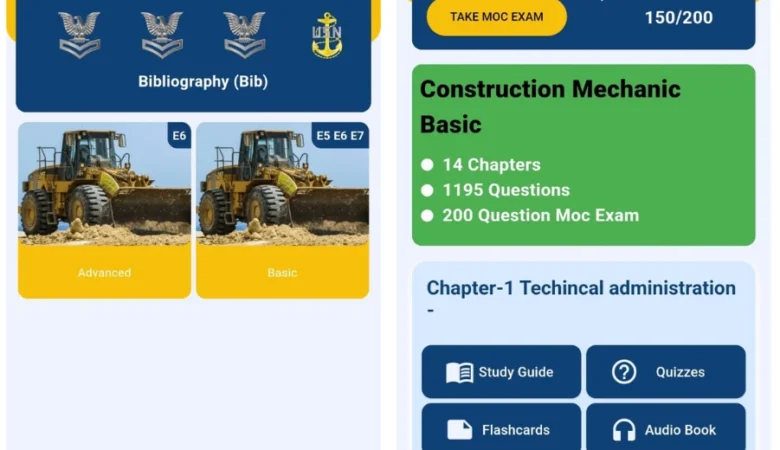
SeaBee – The Best Navy
SeaBee – The Best Navy Exam Study App Built for US Navy Seals Project Overview
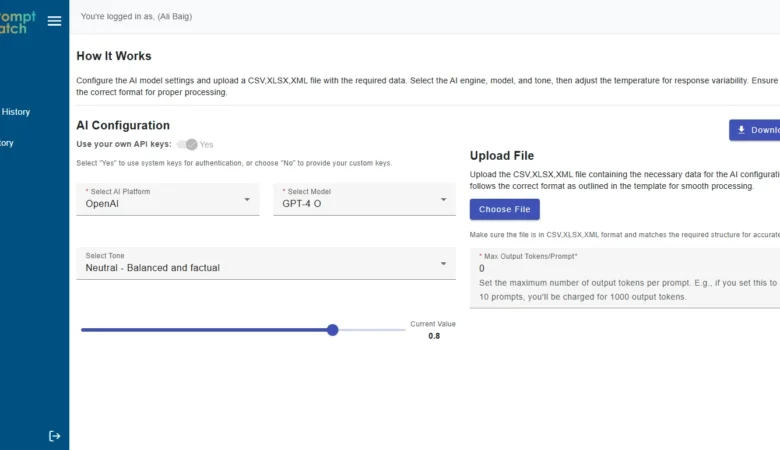
PromptBatch: Save 50% with AI
PromptBatch: The Best AI Batch Prompt Processing Web App | Orbilon Tech Project Overview PromptBatch
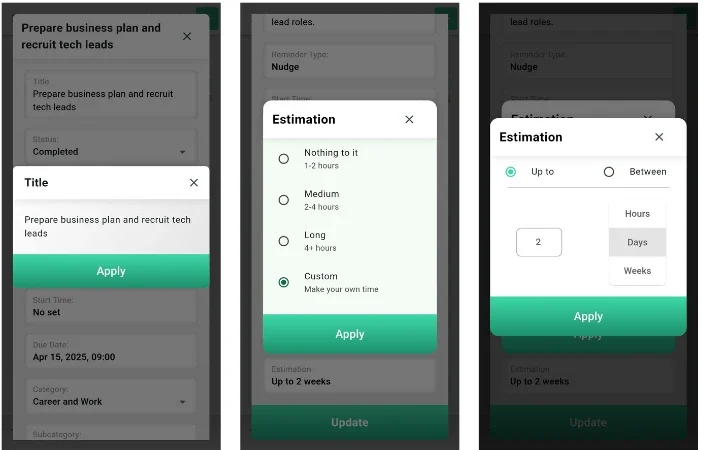
Spheres – The Revolutionary AI
Spheres – The Best AI Life Manager Mobile App That Actually Knows You Project Overview
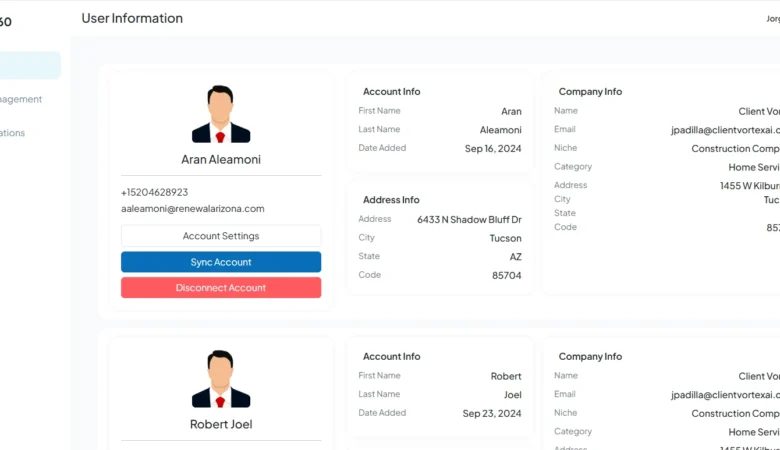
Rep360 AI – AI Bot
Rep360 AI – AI Bot Integration for GHL Workflows That Automates Sales Conversations Project Overview
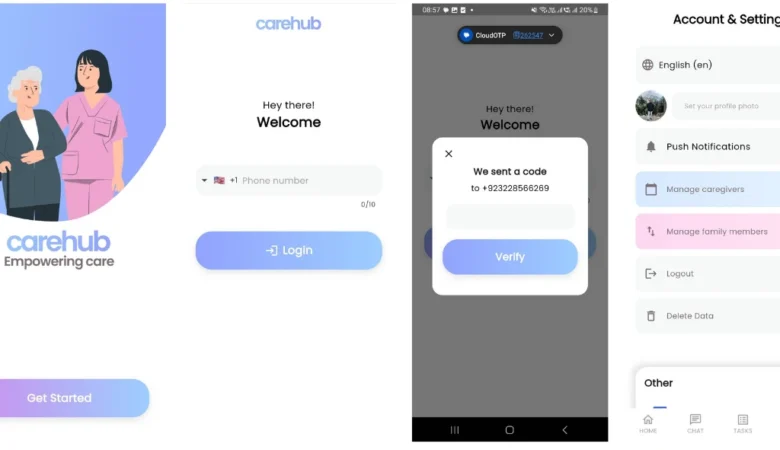
CareHub – Powerful Caregiver Communication
CareHub – Caregiver Communication App With Auto Translation CareHub App – Empowering Care CareHub is
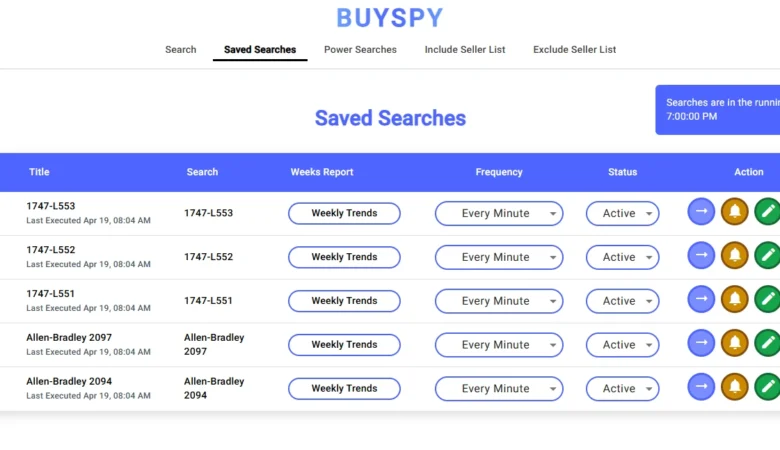
BuySpy – Ultimate Real-Time eBay
BuySpy — A Powerful Real-Time eBay Search Alerts App for Web & Mobile BuySpy is
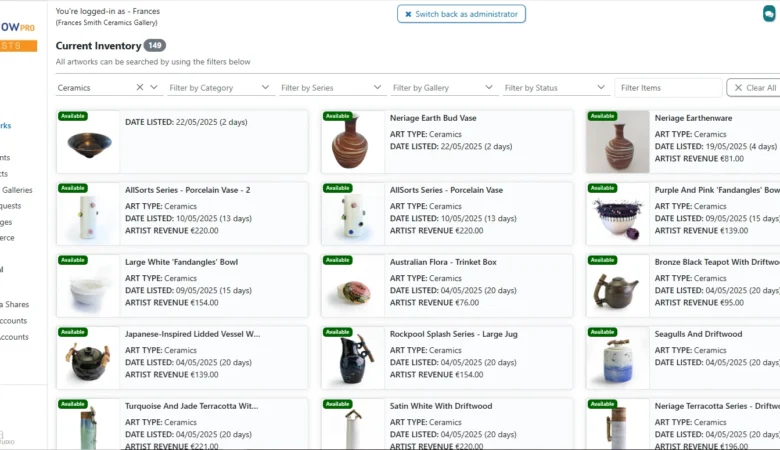
ArtFlow Pro — The Art
ArtFlow Pro — Full-Stack Art Gallery SaaS Platform for Artists & Galleries ArtFlow Pro –
Our 4.96 Star Clutch Rating Wasn't Bought, Edited, or Solicited — It Was Earned
Here’s what some of our clients have said about us
Want to Hire Us?
Are you ready to turn your ideas into a reality? Hire Orbilon Technologies today and start working right away with qualified resources. We will take care of everything from design, development, security, quality assurance, and deployment. We are just a click away.